

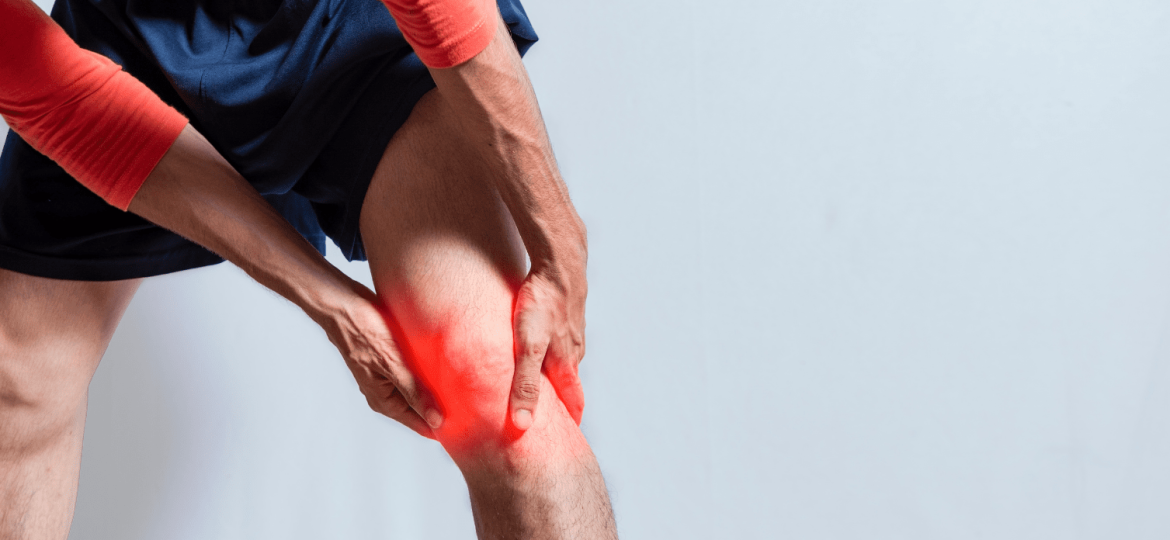
A sports injury happens when physical activity damages muscles, joints, or bones, and it can impact your ability to perform. Sprains, strains, and tears are typical results of overexertion. When pain sets in, you need a clear plan to manage it. Here are some practical methods you can follow during recovery following a sports injury:
Get Rest and Ice
Rest is the first step after a sports injury occurs; you stop the activity, and you take weight off the affected area. Since inflammation builds quickly, applying ice within the first few hours reduces swelling. Ice the area for 15 to 20 minutes at a time. Use a cloth between the ice pack and your skin.
While the urge to return may be strong, premature activity often worsens the damage. Elevate the injured area above heart level when possible, as this position drains fluid and limits swelling. While you rest, you give tissue the time it needs to repair. Follow these steps consistently, as rushing the healing process can lead to further setbacks.
Avoid Addictive Medications
Some pain medications carry a high risk of dependency. Opioids are in this category. When you reach for relief, you might choose options with lower risk.
Non-addictive alternatives exist for managing discomfort. Talk with a clinician before starting any medication. Try these lower-risk options:
- Over-the-counter anti-inflammatory drugs
- Over-the-counter acetaminophen for mild pain
- Topical creams applied to the skin
Use medication only as directed on the label. Track how much you take, and note any side effects. As long-term use raises risks, you limit the duration when you follow medical guidance.
Try Multiple Modalities
Several treatment methods address pain through different mechanisms. You might combine approaches based on professional advice. While one method targets inflammation, another stimulates tissue repair. Cold laser therapy uses light to treat soft tissue, while prolotherapy involves injections that prompt a healing response. Ozone therapy, shockwave therapy, and acupuncture offer additional paths, and each works differently.
Get Professional Help
A trained professional evaluates the extent of your injury. Doctors and physical therapists assess damage through exams and imaging. Because some injuries hide deeper problems, an expert opinion guides your next steps.
Physical therapists design exercises for your specific condition. They monitor progress, and they adjust the plan as you heal. While you follow their instructions, you reduce the chance of reinjury.
A sports medicine specialist focuses on activity-related injuries. They understand the demands of your sport. When pain persists past expected timelines, professional input clarifies the cause. They collaborate closely with other healthcare professionals, and this teamwork ensures that your treatment plan is comprehensive and tailored to your needs.
Address a Sports Injury
Pain management after a sports injury follows clear, structured steps. Rest and ice form the foundation, and careful medication choices limit risk. While various modalities exist, professional guidance shapes the ideal path for you. Contact a licensed clinician today to discuss your injury, and they will examine your condition and recommend a treatment plan. Take the first step and start your recovery with informed support.
