

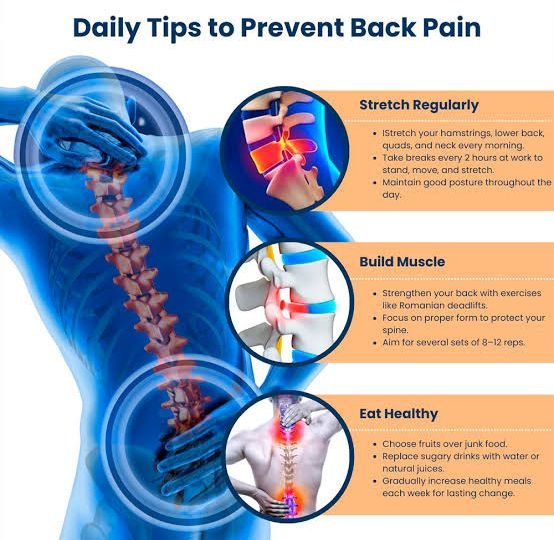
Back pain affects people of all ages, and it typically starts with poor daily habits. You might feel a dull ache after sitting too long, or you might notice stiffness when you wake up. Since the spine supports your entire body, small changes add up over time. Here are some practical steps you can take to reduce your risk of back pain:
Practice Good Posture
Good posture keeps your spine aligned during everyday tasks to reduce back pain. When you sit at a desk, your feet rest flat on the floor, and your back stays supported. Slouching strains the muscles, and it also puts pressure on the discs in your lower back.
Screens play a role too. Keep your monitor at eye level so your neck stays neutral. Since many people work long hours at computers, frequent posture checks can be performed to reduce strain, and short standing breaks give your spine a rest.
Lift Properly
Lifting the wrong way is a major cause of sudden back injuries. Bend at your knees, not your waist, and hold the object close to your body. Twisting while you carry something heavy adds stress to the spine.
Follow a few simple rules when you lift:
- Keep your feet shoulder-width apart
- Tighten your stomach muscles before you rise
- Move your feet to turn instead of twisting your back
- Ask for help with heavy or awkward loads
These habits reduce sudden strain, and they protect your muscles during repetitive tasks. Since heavy lifting happens at work and at home, steady technique matters in both places.
Stay Active
Movement keeps your joints and muscles flexible. When you stay active, your back adapts to daily demands more easily. Sitting for hours stiffens the muscles, and it slows blood flow to the tissues that support your spine.
Walking is one of the simplest ways to stay mobile. Aim for short walks during the day, and stretch your hips and hamstrings in the evening. Since tight leg muscles pull on the lower back, regular stretching keeps that tension in check.
Even small breaks help. Stand up every 30 minutes if you work at a desk. A quick walk to refill your water resets your posture, and it gives your spine a brief break from sitting.
Strengthen Your Core
Your core muscles support your spine during movement. A strong midsection shares the load, and it helps you hold better posture throughout the day. Weak muscles leave your lower back to do more work than it can manage.
You do not need a gym to build core strength. Try these movements a few times each week:
- Planks held for 15 to 30 seconds
- Bridges to work the lower back
- Bird-dog stretches for balance
Start slowly, and stop if you feel sharp pain. Since progress takes time, short and steady sessions work better than long, difficult ones.
Schedule Treatment for Back Pain
These habits address significant causes of daily strain. Some back pain needs professional attention, and ignoring ongoing symptoms may make matters worse. If your back pain continues or gets worse, schedule an appointment with a clinic today. Since early evaluation gives you a clearer picture, a professional assessment helps you plan your next steps, so call an office to book a visit.
