

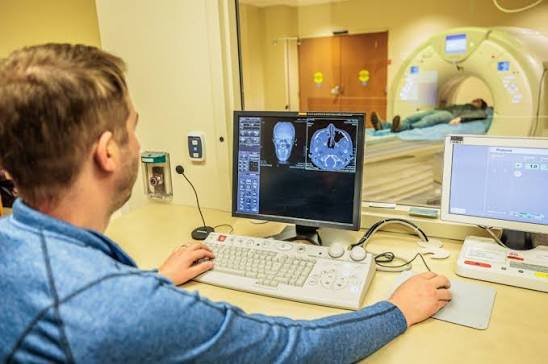
Nuclear medicine is a branch of medical imaging, and physicians use small amounts of radioactive material to study how your body works. Doctors inject or give you these substances, and special cameras track them inside you. When a gland behaves abnormally, nuclear medicine helps reveal the reason at a cellular level. Here is more information on nuclear medicine and how it is used to evaluate endocrine disorders:
Using Radiotracers
A radiotracer is a substance that emits a tiny, measurable signal. Technicians prepare it carefully, and your body absorbs it within minutes. The amount of radiation stays low. Different glands need different tracers to produce clear results.
Here’s a breakdown of how radiotracers work:
- Your body absorbs the tracer, which travels through your bloodstream.
- The tracer accumulates in the targeted gland or tissue.
- The scanner detects the tracer’s signal to create detailed images.
Each tracer targets a specific tissue type. Your doctor selects the right one, and the choice depends on which gland needs review. The signal then guides the camera. This targeted approach gives detailed pictures of hormone-producing areas.
Diagnosing Endocrine Issues
Your endocrine system controls hormones that regulate many body functions. When these glands malfunction, you might feel tired or unwell, and standard blood tests sometimes miss the cause. Nuclear medicine fills this gap by showing gland activity directly. Doctors use it to study the thyroid, parathyroid, and adrenal glands.
The thyroid is the gland that is typically examined this way. Since it absorbs iodine readily, it responds well to certain tracers, and this trait makes imaging precise. Doctors look at how quickly tissue takes up the material. A slow or fast response points toward specific conditions.
Parathyroid and adrenal studies follow similar principles. These scans locate overactive tissue, and they help surgeons plan procedures with accuracy. A small tumor may hide from other tests. Nuclear imaging typically spots it when the gland produces too much hormone.
Evaluating Thyroid Uptake
Thyroid uptake tests measure how much iodine your gland absorbs. You swallow a small dose, and a scanner records the result after several hours. The reading reflects gland activity. High or low numbers help doctors narrow down a diagnosis.
These tests distinguish between different thyroid conditions. An overactive gland absorbs more iodine, and a damaged one absorbs less. Doctors compare your numbers against standard ranges. The pattern clarifies whether you have hyperthyroidism or another disorder.
Providing Detailed Information
Nuclear medicine offers data that other scans rarely match. It reveals function over time, and it maps activity across the entire gland. This timing adds depth. Doctors combine these findings with blood work for a fuller picture. Physicians review the images, and they adjust medication or recommend surgery when needed.
Find Nuclear Medicine Services
Many hospitals and imaging centers offer endocrine nuclear medicine studies. You may need a referral, and your doctor will explain which test fits your situation. If your doctor suspects a gland disorder, ask about nuclear imaging options. Contact a local imaging center today to schedule a consultation, and a trained team will walk you through each step. Reach out now to learn how these scans support your diagnosis.
