

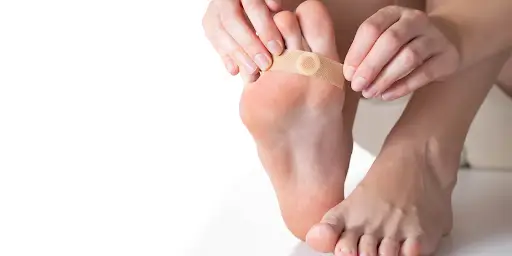
A minor scrape or a small cut usually heals on its own within days, but some wounds take longer to close or fail to improve despite basic first aid. When a wound lingers, it may point to an underlying health condition that needs attention. Wound care is a branch of medicine focused on the treatment and management of wounds that are complex, slow to heal, or at risk of complications.
What Types of Wounds Exist?
Not every wound needs specialized treatment, but certain wounds call for closer monitoring by trained professionals. These are typically wounds that do not follow the normal healing timeline, carrying a higher risk of infection. Wounds that benefit from professional care span several categories.
Diabetic foot ulcers are open sores on people living with diabetes, and these can be slow to heal due to reduced circulation and nerve sensitivity. Venous and arterial ulcers are wounds linked to poor blood flow. These frequently appear on the lower legs. When a wound remains open for several weeks without progress, it can require a structured treatment plan tailored to the individual’s unique health needs and circumstances.
When Should You Seek Care?
Knowing when to seek help may prevent minor issues from becoming larger problems. A wound that heals normally will gradually shrink, and they cause less discomfort over time. When these changes do not happen, professional wound care may be warranted. Certain signs indicate you should seek medical oversight, including:
- Slow or Stalled Healing: A wound that shows little to no improvement after two to four weeks.
- Increased Redness or Swelling: Growing inflammation around the wound edges.
- Persistent Pain: Discomfort that intensifies rather than easing.
- Unusual Drainage: Fluid that appears thick, discolored, or has an odor.
- Active Fever: A raised body temperature that may accompany infection.
- Darkened Tissue: Skin around the wound that turns black or unusually pale.
If you notice one or more of these signs, contacting a healthcare provider is a reasonable step.
What Does Care Involve?
Wound care covers a broad set of treatments designed to support healing, reducing the chance of complications. The specific approach depends on the type, depth, and cause of the wound. A provider will assess each case before recommending a plan, and services can include:
- Debridement: The removal of dead or damaged tissue to encourage healthier tissue growth.
- Dressings: Advanced bandages that maintain moisture balance and protect the wound.
- Compression Therapy: Wraps or garments that improve circulation.
- Infection Management: Treatment aimed at controlling bacteria and supporting recovery.
Many of these services take place in outpatient settings, allowing patients to receive ongoing care while managing daily routines. A coordinated plan may combine several of these methods.
Seek Professional Wound Care
Timely care can shorten healing time and lower the risk of further complications. If a wound is not improving as expected, reaching out to a wound care provider is a practical next step. These professionals bring targeted knowledge and treatment options suited to complex cases. Taking action early may support better outcomes, and this helps you return to your normal activities.
