

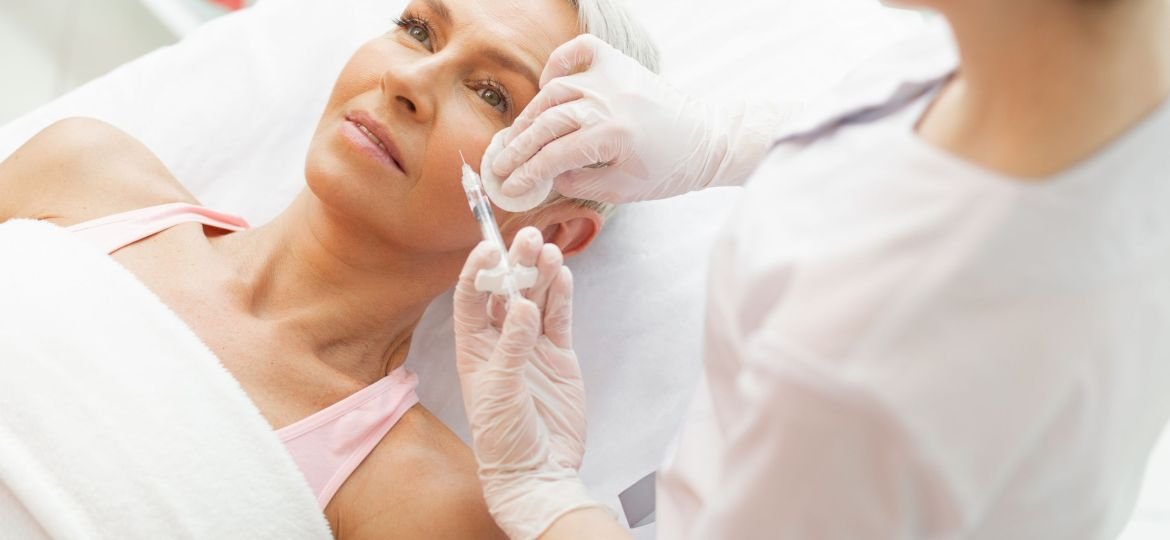
Botox is an injectable treatment used to soften facial lines caused by repeated muscle movement. The procedure generally involves a consultation, treatment planning, and aftercare guidance to support the desired results. Here is an overview of what to expect during a Botox procedure:
Botox Consultation
The consultation begins your Botox treatment and sets the foundation for a personalized plan. During this meeting, the dermatologist reviews your medical history, discusses your goals, and examines the areas you want to address. This conversation helps the provider determine whether Botox suits your needs. A thorough consultation covers several key points that guide your treatment decisions. Here are some of them:
- Medical history review: The provider asks about medications, allergies, and past treatments to build a safe plan.
- Goal discussion: You describe the lines or areas you want to treat, and the dermatologist explains realistic outcomes.
- Facial assessment: The provider studies your muscle movement and skin, which informs the injection map.
- Treatment timeline: You learn the number of units and how long results may last.
Preparation of Treatment Area
Preparation keeps the procedure smooth, and it lowers the chance of side effects. Your dermatologist may ask you to avoid certain medications and supplements, such as blood thinners, for several days beforehand. Some providers recommend that you skip alcohol before your appointment to reduce the risk of bruising.
On the day of your Botox treatment, the provider cleanses the target area to remove makeup, oil, and bacteria. This step prepares the skin for precise injections. Some clinics apply a topical numbing cream, though patients often find the injections comfortable without it. The dermatologist then marks the injection points with a fine pen, which acts as a guide during the procedure. These marks map the exact spots where the product will relax specific muscles.
Administration of Botox Injections
The dermatologist uses a fine needle to deliver small amounts of Botox into the marked muscles. You may feel a brief pinch at each site, but the sensation fades quickly, and no sedation is required. The provider adjusts the number of units based on your treatment plan and the strength of your muscles. Each injection targets a precise point, and this accuracy helps support balanced and natural-looking results.
Common treatment areas include the forehead, the lines between the eyebrows, and the creases around the eyes. After the final injection, the dermatologist may gently press the area to distribute the product. You can usually return to most daily activities right away, though your provider will share specific guidance.
Results and Aftercare
Results develop gradually, and the full effect typically appears around two weeks after treatment. Botox treatment often lasts for three to four months. Aftercare supports your outcome, and a few simple habits can help you protect the treated area. Your dermatologist provides instructions, and following them closely supports a smooth recovery. Here are some common recommendations to guide your first day:
- Stay upright: Avoid lying down for three to four hours after the procedure to keep the product in place.
- Skip strenuous exercise: Rest from heavy activity for the rest of the day to limit swelling.
- Avoid rubbing: Keep your hands away from the treated area to prevent the product from moving.
Schedule Your Botox Appointment Today
Botox offers a non-surgical approach to smooth skin. The process moves through a consultation, careful preparation, precise injections, and guided aftercare. Taking proper care after your Botox treatment is fundamental to achieving optimal results and supporting your comfort. Contact a qualified dermatologist near you to schedule your Botox appointment today.
