

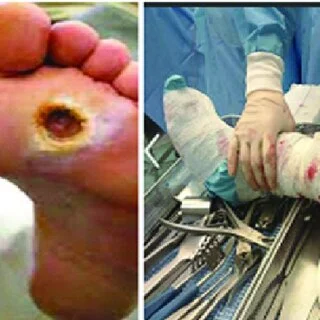
Most minor cuts and scrapes heal on their own, but some wounds do not follow the expected recovery timeline. A wound that stays open for weeks, shows signs of infection, or fails to close may require specialized attention. Wound care focuses on treating and managing injuries of the skin and its underlying tissues. People with diabetes, circulation problems, or reduced mobility often face a higher risk of developing these complications. When a wound doesn’t respond to standard treatment, a wound care specialist can assess the injury and recommend targeted options to support recovery.
Removing Dead or Infected Tissues
Living tissue heals more effectively when it is not surrounded by material that no longer functions, so excess tissue may need to be removed. Debridement is a wound care technique that removes dead, damaged, or infected tissue from a wound. By clearing away tissue that cannot recover, a surgeon allows healthy cells to grow.
A general surgeon may perform this procedure using surgical instruments, enzymes, or specialized dressings, depending on the wound. Dead tissue can trap bacteria and slow the body’s natural repair process, so removing it helps prepare a clean base for healing. Patients with pressure ulcers, diabetic foot wounds, burns, or unhealed surgical sites may benefit from this type of treatment, but a medical consultation is necessary first.
Using Advanced Wound Dressings
Standard bandages work well for everyday injuries, but complex wounds often need more support. Some advanced dressings hold moisture, while others draw excess fluid away, but the appropriate choice depends on the wound’s specific condition. Advanced wound dressings manage moisture, reduce infection risk, and protect the wound as it heals; these dressings come in many forms, including:
- Foams
- Hydrogels
- Alginates
- Antimicrobial Materials
Patients with diabetes frequently develop slow-healing wounds because high blood sugar can affect circulation and nerve function. Individuals with peripheral artery disease (PAD) face similar challenges, since narrowed blood vessels limit the flow of oxygen and nutrients that tissue needs. Specialists choose a dressing based on the wound’s location, depth, and drainage level.
Utilizing Compression and Custom Orthotics
Compression therapy applies steady pressure to an advanced wound, through specialized bandages, wraps, or garments. This approach is often used for wounds on the lower legs, where poor circulation and fluid buildup interfere with healing. By supporting blood flow back toward the heart, compression helps reduce swelling and helps manage venous conditions.
Custom orthotics play a different but related role, particularly for wounds on the feet. These are shoe inserts or devices that are made for an individual’s foot structure. They redistribute pressure away from vulnerable areas, which can matter for patients with diabetic foot ulcers or altered foot mechanics. A specialist may combine compression, orthotics, and offloading strategies to address the factors that keep a wound from closing.
These methods are frequently used alongside other treatments rather than on their own, supporting comprehensive care. A care plan may include debridement, advanced dressings, and pressure management together, since many complex wounds have more than one underlying cause. The recommended wound care combination depends on a person’s health, the type of wound, and the treatment goals.
Get Timely Wound Care
A wound that appears minor can develop complications if it is left unmanaged, especially for people with diabetes or circulation disorders. Early attention often makes a meaningful difference in how an advanced wound responds to treatment. Contact a medical professional if you notice warning signs like increased redness, swelling, drainage, or no improvement. Wound care specialists use a range of methods to address the underlying reasons a wound isn’t healing. From removing damaged tissue to selecting the right dressing and managing pressure, each step is tailored to your individual situation.
