

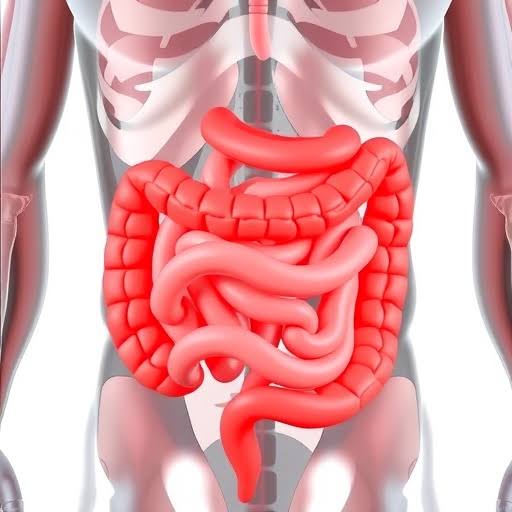
Nutrition supports the management of inflammatory bowel disease-related arthritis in several ways. It may reduce systemic inflammation, support gut healing, and complement medications like methotrexate and sulfasalazine. A diet rich in anti-inflammatory foods can reduce joint pain, and guidance from a rheumatology and arthritis specialist helps patients apply that diet effectively. When patients manage both conditions with this approach, long-term outcomes have the potential to improve. Here is more information on current management strategies, how food choices influence inflammation, and why specialist guidance strengthens the process:
How Is Inflammatory Bowel Disease Managed?
Inflammatory bowel disease is typically managed through a combination of medication and physical therapy. Physical therapy helps patients maintain joint mobility, and it builds strength around affected areas. Because stiffness tends to ease with consistent movement, patients may see gradual improvement over time. Programs may combine stretching, low-impact exercise, and posture training to protect joints during daily activities.
Medications address inflammation at its source. Methotrexate, an immune-modulating drug, slows the immune response that damages joint tissue. Prednisone, a corticosteroid, reduces inflammation quickly during flare-ups. 5-aminosalicylates, such as sulfasalazine, treat both intestinal inflammation and joint symptoms, which makes them a valuable choice for patients managing overlapping conditions. Doctors adjust these treatments based on symptom severity, and they monitor how the patient responds over time.
What Role Does Nutrition Play?
Food choices influence inflammation throughout the body, not just in the gut. Diets high in processed sugar, refined carbohydrates, and saturated fat may increase inflammatory markers, but diets rich in omega-3 fatty acids, fiber, and antioxidants help lower them. When patients manage IBD-related arthritis, these dietary patterns can affect both digestive symptoms and joint pain simultaneously.
Certain foods deserve particular attention; fatty fish, leafy greens, and berries supply nutrients that support immune regulation. Patients should also track how specific foods affect their symptoms because triggers vary between individuals. Some may find that dairy, gluten, or high-fiber foods worsen flare-ups. Others tolerate them without issue. A food journal helps identify these patterns.
Hydration and meal timing also matter. Smaller, more frequent meals can reduce digestive strain during flare-ups. Consistent hydration supports nutrient absorption, and these adjustments work alongside medication rather than replacing it. Because patients gain another layer of control over their symptoms, they can take a more active role in managing both conditions.
How Is Professional Guidance Beneficial?
Patients managing two interconnected conditions benefit from coordinated care. A rheumatology and arthritis specialist can support treatment in several ways, including:
- Evaluating how joint symptoms respond to current medications
- Recommending adjustments to treatment based on disease activity
- Modifying treatment plans as side effects or symptoms change
Working with specialists creates a more complete treatment strategy. Regular check-ins allow the care team to adapt recommendations as symptoms change, so treatment stays responsive rather than static.
Book a Consultation Today
Managing inflammatory bowel disease-related arthritis calls for a strategy that addresses both digestive and joint health. Medications like methotrexate, prednisone, and sulfasalazine form the foundation of treatment, while physical therapy maintains mobility and nutrition supports inflammation control from within. Patients who work closely with a rheumatology and arthritis specialist gain access to coordinated, personalized care that adapts as their symptoms change. Book a consultation with a rheumatology and arthritis specialist today to build a management plan suited to your specific symptoms and goals.
