

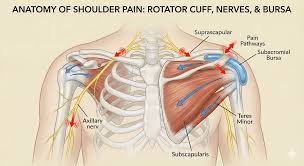
Rotator cuff pain often disrupts sleep, work, and daily movement. When a tear becomes severe or fails to respond to conservative care, rotator cuff tear surgery may be an option. This procedure repairs the damaged tendons and reattaches them to the upper arm bone, and it restores stability and function. Here is some information about the complexities of rotator cuff pain:
Reviewing Rotator Cuff Mechanics
The rotator cuff is a group of four muscles and their tendons that surround the shoulder joint. Together, they hold the head of your upper arm bone firmly within the socket of your shoulder blade. These muscles also let you lift and rotate your arm in many directions. When the tendons stay healthy, the shoulder moves smoothly and feels stable. Damage to any part of the cuff disrupts that balance, and it limits how well the joint functions.
Knowing Key Causes and Risks
Rotator cuff injuries develop in two main ways: sudden trauma and gradual wear. A fall onto an outstretched arm or a heavy lift might tear the tendon, but damage usually builds slowly over years of repetitive motion. Since painters, carpenters, and athletes who throw frequently perform repetitive overhead motions, they face higher exposure to this kind of strain.
Age also plays a large role. As tendons lose their natural blood supply over time, they weaken and become more prone to tearing. Older people carry a greater risk, and it increases with each decade. Other contributing factors include poor posture, bone spurs that rub against the tendon, and a family history of shoulder problems.
Identifying Symptoms
Pain is typically the initial indicator that an underlying problem has developed. Many people notice a dull ache deep in the shoulder that worsens at night, especially when lying on the affected side. Reaching behind your back or lifting objects overhead may trigger sharp discomfort. Weakness is another complaint; some people struggle to raise their arm or feel that it gives out during simple tasks.
Some tears produce a crackling or popping sensation when you move the joint. Others limit your range of motion so gradually that you adjust without realizing it. Symptoms vary widely from one person to the next, and a small tear sometimes causes more pain than a large one. Tracking when and how your symptoms appear gives your physician useful information.
Getting a Diagnosis and Treatment Plan
A proper diagnosis starts with a physical examination; your doctor will test your strength, range of motion, and the movements that cause pain. Imaging usually follows. While X-rays rule out arthritis and bone spurs, an MRI or ultrasound shows the soft tissue and reveals the size and location of a tear. Treatment depends on several factors, including the severity of the injury, your age, and your activity level. Many cases respond to nonsurgical care first, such as:
- Rest
- Physical therapy
- Anti-inflammatory medication
- Corticosteroid injections
When these methods do not yield results, or when the tear is large, surgery becomes an option. Rotator cuff tear surgery may be performed arthroscopically through small incisions or with a traditional open approach. Your care team will explain which technique fits your situation, and they will outline recovery steps.
Schedule Rotator Cuff Tear Surgery
Persistent shoulder pain limits daily activities and makes regular movement challenging. If conservative treatments have not eased your symptoms, a conversation with a specialist is the next step. An orthopedic doctor evaluates your shoulder and explains available options. Schedule a consultation today to discuss whether rotator cuff tear surgery is right for you.
