

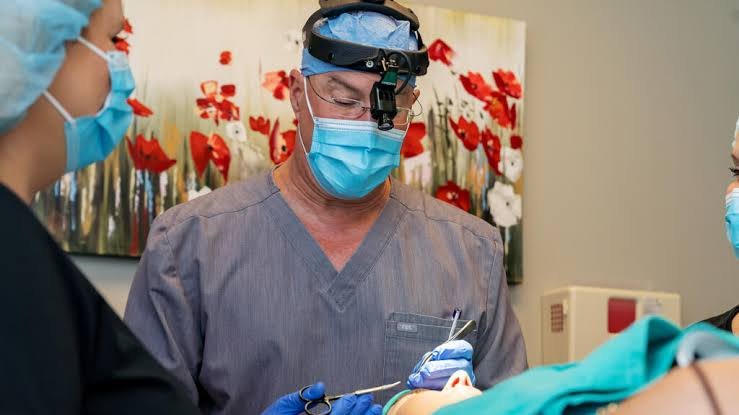
Post-operative care is a fundamental part of recovery after cosmetic or reconstructive surgery. A plastic surgeon monitors healing and provides instructions for safely resuming normal activities. Here is a closer look at the role of a plastic surgeon in post-op care:
Monitoring Surgical Healing
Healing follows a predictable pattern, and your plastic surgeon watches each phase closely. During follow-up visits, they inspect incision sites, check for swelling, and compare your progress against expected timelines. This helps them confirm that your body is responding the way it should. They also document your recovery across several appointments, creating a clear record of change. They may photograph the treated area, measure swelling, and note how the tissue settles over time. When something deviates from the anticipated timeline, they can respond quickly.
Managing Post-Op Symptoms
Discomfort, swelling, and bruising are common after surgery, and your plastic surgeon will prepare you for them. They outline what you might feel, when symptoms should peak, and how long they typically last. Your surgeon also provides instructions that guide daily care during this stage. Here are common areas a surgeon addresses when managing post-op symptoms:
- Medication guidance: Your surgeon explains how and when to take your prescribed medications and clarifies what each one does.
- Activity limits: They describe which movements to avoid to protect healing tissue while you rest.
- Wound care: They demonstrate how to clean and dress incisions, which supports recovery.
- Diet and hydration: They suggest foods and fluids that suit your recovery routine.
Following these detailed instructions can help patients optimize their recovery process and minimize the risk of complications.
Preventing Surgical Complications
Prevention is a key focus after any procedure. The surgeon reviews your history, assesses your risk factors, and adjusts their guidance to match your needs. During follow-up visits, they look for early signs that need attention, such as unusual swelling or changes at the incision site. They ask specific questions about how you feel, and your answers help them create a complete picture. When you report a change promptly, your surgeon can act while the situation is still manageable.
Guiding Long-Term Recovery
Recovery extends well beyond the first few weeks, and your plastic surgeon continues to guide you through the later stages. They explain how results develop over time, and they set realistic expectations for how the treated area will look and feel. Here are key areas a surgeon often covers during long-term recovery:
- Scar care: They suggest techniques and timelines that support a smooth appearance.
- Activity progression: They outline when you can resume exercise and daily tasks safely.
- Sun protection: They explain how to shield healing skin from sun exposure.
- Ongoing check-ins: They schedule visits that confirm your results settle as expected.
These key aspects provide a comprehensive approach to recovery.
Consult a Plastic Surgeon Today
Post-op care influences your final result as much as the surgery itself; the surgeon stays involved through every stage. They monitor your healing, manage your symptoms, work to prevent complications, and guide you through long-term recovery. Contact a qualified plastic surgeon near you to schedule your consultation today.
