

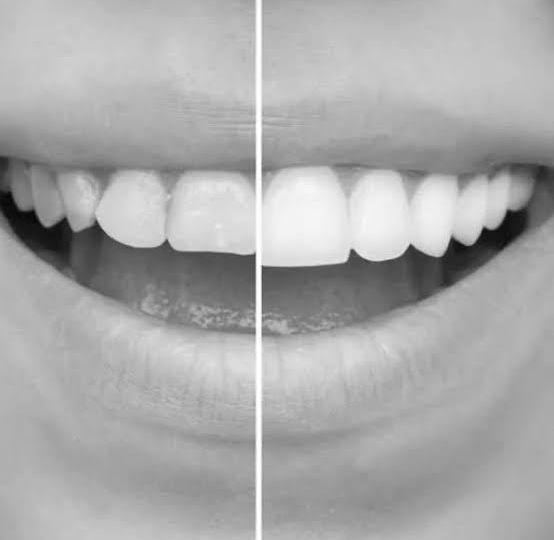
Veneers are thin shells of porcelain or composite material bonded to the front of your teeth. Dentists use them to cover chips, gaps, stains, and worn edges. While many people request veneers for appearance, these shells also play a role in daily dental function. This is how veneers support the health of your teeth beyond looks:
Reducing Sensitivity
Thin enamel leads to discomfort when you drink hot or cold beverages. A veneer covers the exposed surface, and this barrier reduces contact between the tooth and temperature changes. In many cases, patients have less reaction after placement.
Sensitivity comes from tiny channels in the dentin beneath your enamel. When these channels stay exposed, everyday eating feels uncomfortable. A veneer seals the front surface, and that coverage helps limit the trigger.
Correcting Uneven Bites
An uneven bite places extra pressure on certain teeth. Veneers reshape the surface of specific teeth, and this adjustment helps distribute force across your mouth. Before any work begins, your dentist measures the contact points.
Teeth that meet unevenly may wear down faster in spots, but a veneer restores height and shape where enamel has worn thin. Since balanced contact reduces strain, correcting these areas supports the surrounding teeth. Typical bite issues that veneers may address include:
- Slightly worn front teeth
- Small gaps that shift chewing pressure
- Uneven edges from years of use
Your dentist reviews each concern during your exam. Some cases need orthodontic treatment first, and veneers follow later. When the fit is correct, your bite feels more even across both sides.
Protecting Vulnerable Teeth
Teeth with small cracks or worn enamel face more risk from daily wear. A veneer covers the front surface, and this added layer shields the tooth from further chipping. When enamel thins over time, exposed areas grow weaker.
When bonded properly, a veneer creates a smooth barrier that limits contact with acidic foods. Your dentist checks the tooth first, and then the shell is fitted to match your bite. This step matters for teeth that already show signs of stress.
Some patients grind their teeth at night without noticing. A veneer alone does not stop grinding, but it protects the covered surface from minor abrasion. Since grinding wears enamel down, your dentist may pair veneers with a night guard.
Boosting Oral Hygiene
For some patients, crowded or overlapping teeth trap food and plaque in tight spaces. Veneers create a smoother, more uniform surface, and this shape makes brushing easier. Cleaner surfaces lower the buildup that leads to decay.
Porcelain resists staining better than natural enamel in many cases. Since the surface stays smooth, plaque has fewer spots to cling to. You still brush twice daily and floss between teeth to keep gums healthy. Simple habits help your veneers last longer:
- Brush with a non-abrasive toothpaste
- Floss daily around each veneer
- Attend cleanings twice a year
These steps protect both the veneer and the tooth beneath it. Your dentist checks the edges at each visit to catch any wear early, and good habits at home support the work done at the clinic.
Schedule a Consultation for Veneers
Veneers serve both function and appearance when they fit your specific needs. Your dentist reviews your enamel, bite, and gum health before recommending treatment. As every mouth differs, a personal exam gives you clear answers. Book your consultation today to see whether veneers match your goals, and your dentist will walk you through the next steps with care.
