

Routine health screenings play a role in maintaining long-term wellness, and a colonoscopy is a common examination available today. Adults may encounter a recommendation for this procedure at some point, often as part of preventive care or in response to specific symptoms. Learning what the procedure involves can help you approach it with an informed mindset.
What Is a Colonoscopy?
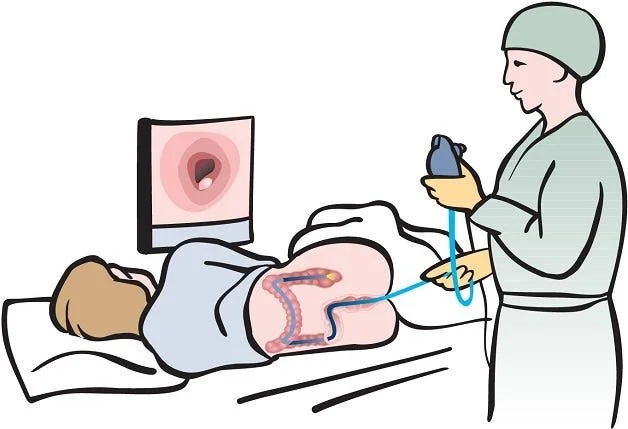
A colonoscopy is a medical examination that allows a physician to view the inner lining of the large intestine, and this includes the colon and rectum. During the procedure, a trained specialist uses a colonoscope, a thin tube fitted with a small camera and light. This instrument sends real-time images to a monitor, giving the physician a detailed look at the tissue along the intestinal walls.
The examination usually takes place in an outpatient setting. Patients may receive a mild sedative to help them stay relaxed and comfortable throughout the process. The physician gently guides the colonoscope through the colon, observing the lining for any irregularities. The entire procedure typically lasts less than an hour, and patients rest briefly afterward before returning home. Because the colonoscope can reach the full length of the colon, it offers a thorough view.
What Is It For?
A colonoscopy serves several purposes. Physicians often recommend it as a screening method for adults who have reached a certain age, or it is used for individuals who carry factors that raise their risk of colon-related conditions. Screening allows a physician to observe the colon before any symptoms appear, which supports early detection.
The procedure is also used to investigate specific symptoms. A physician may suggest it when a patient reports certain signs; this includes bowel habit changes, abdominal discomfort, unexplained bleeding, or other signs that warrant a closer look. The colonoscopy helps the physician gather direct visual information rather than relying on external tests alone.
Beyond viewing the colon, the procedure can allow the physician to take small tissue samples, known as biopsies, for further study. The specialist may remove small growths called polyps during the same session. This dual capacity for both examination and minor intervention adds to the practical value of the procedure. Any findings are reviewed, and they can be discussed with the patient to determine appropriate next steps.
How Does One Prepare?
Preparation is a central part of the process, and a clean colon gives the physician the clearest possible view. Patients usually follow specific instructions in the days leading up to the appointment, including adjusting one’s diet, limiting certain foods, and switching to clear liquids for a set period. A prescribed cleansing solution may be taken the day before to empty the bowel completely. Patients are also generally advised to arrange transportation home, as the effects of sedation can linger for several hours.
The benefits of a colonoscopy center on the detailed information it provides; early observation of the colon lining may help a physician identify concerns at a stage when they are easier to address. The ability to remove polyps during the same visit can reduce the need for separate procedures. Regular examinations, when advised, form part of a broader approach to preventive care that supports informed decisions over time.
Confer With a Specialist
A colonoscopy is a comprehensive tool available for examining the colon, offering both diagnostic and preventive value. Each person’s health circumstances differ, and a physician can explain how the procedure applies to individual needs and how often it may be recommended. Speaking with a specialist provides a way to understand your options and take steps toward maintaining your health.
