

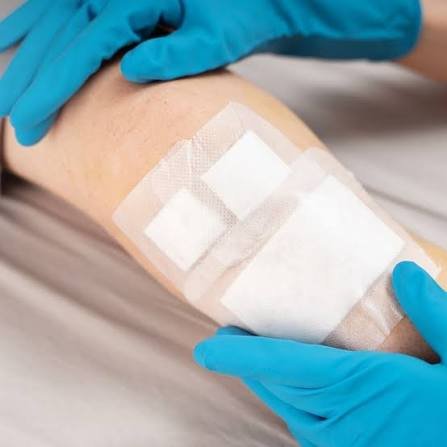
People with diabetes face a higher chance of developing wounds that heal slowly; prompt wound care can make a difference in how these injuries progress. High blood sugar levels can affect circulation and nerve function, which means small cuts or sores sometimes go unnoticed and worsen over time. Addressing wounds early may reduce the likelihood of complications that require more involved intervention. Here is more information about diabetic wound care:
Diabetes and Foot Ulcers
A diabetic foot ulcer is an open sore or wound, usually requiring wound care, that typically develops on the bottom of the foot. These ulcers can range from shallow breaks in the skin to deeper wounds that reach underlying tissue, and they often appear in areas that bear repeated pressure. Several factors contribute to their formation:
- Reduced blood flow: Limits the delivery of oxygen and nutrients to the feet, slowing the body’s ability to heal and fight infection.
- Nerve damage: Dulls sensation in the feet, meaning a person may not feel a blister or friction point until it has already worsened.
- Delayed detection: Because pain signals are diminished, minor irritation can escalate before the patient notices the wound.
Understanding these contributing factors helps you manage and prevent infections. By addressing issues like reduced circulation and monitoring for early signs of irritation, individuals can mitigate risks and promote better foot health. Regular check-ups and proactive care are key components in preventing complications from escalating unnoticed.
Symptoms of Diabetic Foot Ulcers
Symptoms vary depending on the depth and stage of the wound, but there are several common signs. Drainage on socks or shoes may be one of the first indicators, and redness, swelling, or an unusual odor also signal that an ulcer has developed. In some cases, the surrounding skin becomes discolored or calloused, indicating these areas are under repeated stress. Certain groups experience a greater likelihood of developing these wounds are those who:
- Have lived with diabetes for many years
- Have poorly managed blood sugar levels
- Have a history of foot ulcers
- Smoke or have limited mobility
- Have foot deformities
Treatment for Diabetic Foot Ulcers
Treatment usually begins with cleaning the wound and removing dead or damaged tissue, a process called debridement. A clinician may apply specialized dressings, and these keep the area protected. Offloading techniques, such as special footwear or casts, help reduce pressure on the affected spot so the wound has a chance to close.
Managing blood sugar and consistent hygiene and care help prevent ulcers from forming in the future. Small cuts, blisters, or scrapes deserve attention before they worsen; daily foot inspections combined with proper hygiene can help identify problems while they are still minor. Keeping skin moisturized and wearing well-fitted shoes are practical habits that reduce the chance of new wounds forming.
Learn More About Wound Care
Prompt wound care is beneficial for people with diabetes, who are more prone to slow-healing wounds and foot ulcers. Regular podiatry visits help providers and patients monitor foot health; podiatrists can also offer nail trimming and other foot care for diabetics prone to wounds. To learn more about diabetic wound care, consult a podiatrist near you.
