

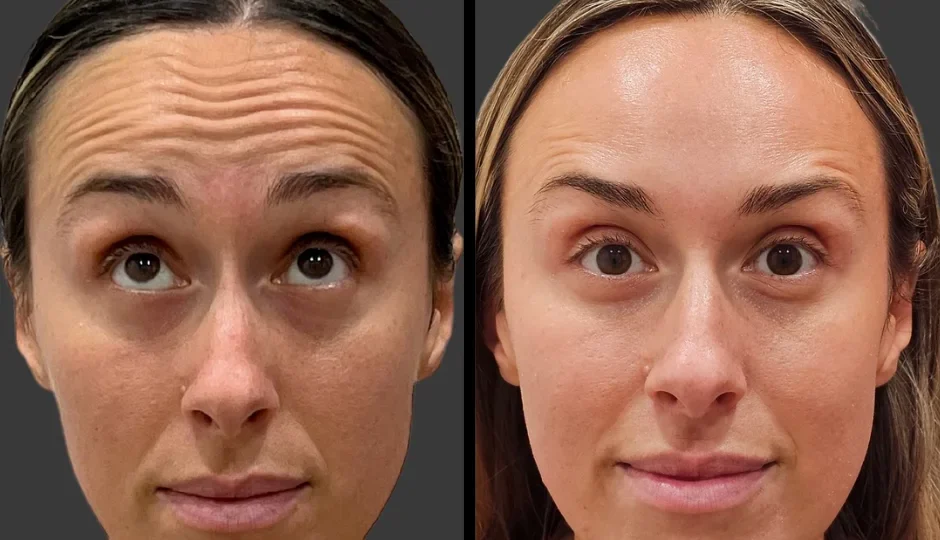
Botox is commonly associated with cosmetic treatments, but it is also used in various medical settings. Healthcare providers may use Botox injections as part of care plans for certain neurological and pain-related conditions. Understanding the treatment process help patients prepare for appointments and discuss their options with a provider. Here is more information on what to expect before and after Botox treatment:
Understanding Botox Basics
Botox is a purified form of botulinum toxin used in medical and cosmetic settings. It works by affecting communication between nerves and muscles in targeted areas. Healthcare providers use injections based on a patient’s condition, treatment goals, and overall care plan.
Because injections affects nerve signals, it may be used for different medical applications. In neurology, providers sometimes discuss Botox as part of care for certain movement-related or pain-related conditions. A consultation allows patients to learn more about the treatment process and whether it fits their individual needs.
Exploring Neurological Conditions
Botox may be discussed as part of care plans for certain neurological conditions. Providers evaluate each patient’s symptoms, medical history, and treatment goals when determining appropriate options. Conditions that often involve injection treatment include:
- Chronic migraines: Botox may be used as part of a treatment plan for patients with recurring migraine symptoms.
- Cervical dystonia: Botox helps address muscle activity associated with abnormal movements or postures.
- Spasticity: Botox may be evaluated for managing muscle stiffness and movement-related concerns.
- Hemifacial spasm: Botox is able to be used to address involuntary facial muscle activity linked to nerve signals.
A healthcare provider can explain how Botox works for each condition and discuss whether it will be appropriate based on individual needs.
Completing the Pre-Treatment Evaluation
Before injections, a healthcare provider reviews your medical history, symptoms, and overall health. Depending on the condition being evaluated, additional testing such as electromyography (EMG) or nerve conduction studies (NCV) may be discussed. This evaluation helps guide treatment planning and allows the provider to determine appropriate injection areas based on individual needs.
Reviewing the Injection Process
During an injection appointment, a healthcare provider administers injections into targeted areas based on the treatment plan. For certain neurological conditions, providers may use guidance tools, such as EMG, to evaluate muscle activity during the procedure. This approach helps providers identify treatment areas based on each patient’s condition.
The length of the procedure and number of injections can vary depending on the area being treated. Patients sometimes receive injections in different locations based on their symptoms and care plan. A provider explains the process, expected steps, and aftercare instructions before treatment begins.
Understanding Recovery and Results
After Botox injections, patients may experience temporary effects such as redness, swelling, or bruising near the injection site. Many people return to regular activities shortly after treatment, depending on their provider’s instructions. Results and treatment duration vary based on factors such as the condition being treated, the dosage used, and the individual’s response.
Schedule Your Botox Consultation
Botox treatment begins with an evaluation of your symptoms, medical history, and individual care needs. A healthcare provider can discuss whether injections are an appropriate option for your condition. Understanding the treatment process and available options help you prepare for your consultation. Schedule your Botox consultation today to discuss your concerns with a qualified provider.
