

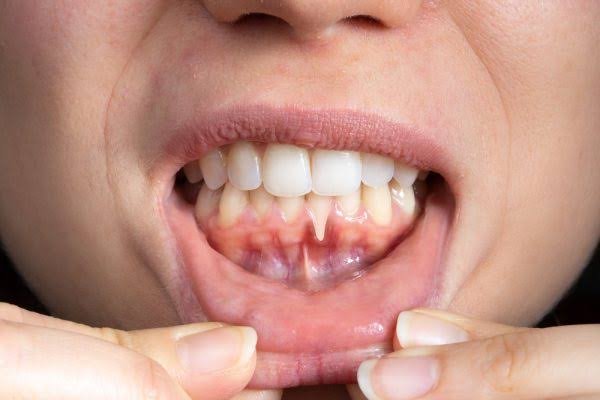
Gum disease is an infection of the tissues that hold your teeth in place. It begins when plaque, a sticky film of bacteria, builds up along the gumline. If plaque is not removed through regular brushing and flossing, it hardens into tartar, which irritates the gums and can lead to inflammation and infection. This process may damage the soft tissue and bone that support your teeth over time. Recognizing the early signs of disease helps you decide when to seek specialized care from a periodontist. Here’s information on gum disease and when to contact a specialist:
Having Gum Infection and Inflammation
Healthy gums appear firm and pink and do not bleed easily; when periodontal issues develop, bacteria collect and trigger an inflammatory response. This inflammation increases blood flow to the affected area, making the swollen tissue become more fragile. This is why gums bleed more readily during brushing or flossing.
Bleeding is often one of the first noticeable indicators that something has changed. You may want to visit a periodontist when bleeding persists for more than a week, when gums remain red or tender, or when symptoms impact your daily life. A periodontist specializes in the structures that surround your teeth, like the gums, so they can assess the extent of infection through a detailed examination. Some early signs of gum disease that may accompany bleeding gums include:
- Red or Purple Gums
- Inflamed or Swollen Gums
- Sore Teeth or Gums
Experiencing Pain When Chewing
As tissue and bone support weaken from disease, teeth may shift or feel loose, and biting can cause pain. This is why discomfort while chewing can signal that gum disease is progressing negatively. Other early signs include sensitivity, gums that pull away from the teeth, and changes in how your teeth fit together. Gum disease generally moves through recognizable stages.
The earliest stage, gingivitis, involves inflammation limited to the gum tissue and is often reversible with proper care. Without attention, it can advance to periodontitis, where the infection reaches the supporting bone. Periodontitis is typically described in mild, moderate, and advanced forms, with each stage reflecting greater loss of attachment and bone. Identifying the stage guides the type of care a periodontist recommends.
Having Halitosis and Gum Recession
Persistent bad breath, known as halitosis, and receding gums are two signs associated with worsening disease. Bacteria trapped in deep pockets can release odors, and receding gums may expose more of the tooth and its root. These symptoms warrant a professional evaluation.
One common approach to managing gum disease is scaling and root planing, a professional deep-cleaning procedure. Scaling removes plaque and tartar from above and below the gumline, and root planing smooths the tooth roots to help the gums reattach. This treatment combination aims to reduce the depth of periodontal pockets and support tissue healing.
Laser gum treatments are another treatment option for some individuals, depending on their oral and overall health needs. In these procedures, a periodontist uses a focused laser to remove diseased tissue and target bacteria within the pockets. The choice of treatment depends on the severity of the condition and the periodontist’s assessment.
Visit a Periodontist for Gum Concerns
Bleeding, inflammation, pain when chewing, halitosis, and gum recession are all reasons to schedule a specialist evaluation. Paying attention to changes in your gums can help you respond before problems advance. A periodontist has the training and tools to examine the tissues supporting your teeth, determine the stage of any disease present, and outline appropriate treatment options. If you notice any of the signs of gum disease, schedule a consultation with a periodontist today. Taking that step supports the comfort and long-term stability of your teeth.
