

rinary tract infections (UTIs) are one of the most common health problems in adults. Many people experience them at least once in their lifetime, especially women, but men can also get them. The good news is that UTIs are usually treatable with proper care, early attention, and the right medical support.
In this article, we will explain treatment for urinary tract infection in adults in a simple, human way. You will learn what causes UTIs, how they are treated, home care tips, prevention methods, and when to see a doctor. This guide is written in easy language so everyone can understand.
What is a Urinary Tract Infection (UTI)?
A urinary tract infection happens when bacteria enter the urinary system and start multiplying. The urinary system includes:
- Kidneys
- Ureters (tubes that carry urine from kidneys to bladder)
- Bladder
- Urethra (tube that carries urine out of the body)
Most UTIs affect the bladder and urethra.
The most common cause is bacteria called E. coli, which normally lives in the intestines but can enter the urinary tract and cause infection.
Common Symptoms of UTI in Adults
Before understanding treatment for urinary tract infection in adults, it is important to recognize symptoms early. Common signs include:
- Burning sensation while urinating
- Frequent urge to urinate
- Passing small amounts of urine often
- Cloudy or strong-smelling urine
- Pain in lower abdomen
- Feeling tired or unwell
- In some cases, fever or back pain (more serious infection)
If the infection reaches the kidneys, symptoms can become more severe and may include high fever and back pain.
Causes and Risk Factors
UTIs happen when bacteria enter the urinary tract. Some common risk factors include:
- Not drinking enough water
- Holding urine for too long
- Poor personal hygiene
- Sexual activity
- Diabetes or weak immune system
- Using catheters
- Hormonal changes in women
- Enlarged prostate in men
Understanding these causes helps in both treatment and prevention.
Treatment for Urinary Tract Infection in Adults
The main goal of treatment is to kill bacteria, relieve symptoms, and prevent complications. Let’s break it down in simple steps.
1. Antibiotics (Main Treatment)
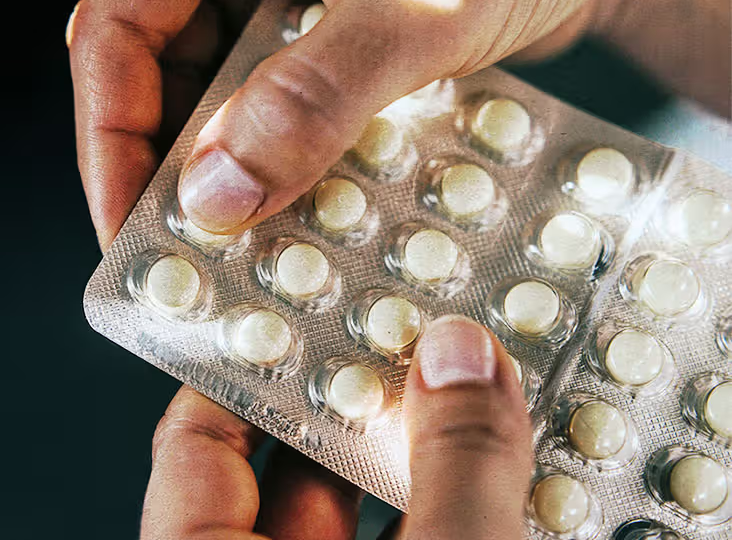
The most common treatment for UTIs is antibiotics prescribed by a doctor. These medicines help kill bacteria causing the infection.
Doctors may choose different antibiotics depending on:
- Type of bacteria
- Severity of infection
- Patient’s medical history
It is very important to:
- Take the full course of antibiotics
- Not skip doses
- Not stop treatment early even if you feel better
Stopping early can cause the infection to return.
2. Pain Relief Medicines
UTIs can cause burning and discomfort. Doctors may suggest pain relief medicines to help reduce symptoms. These do not cure the infection but make the patient more comfortable while antibiotics work.
3. Drinking Plenty of Water
One of the simplest and most effective parts of treatment for urinary tract infection in adults is hydration.
Drinking water helps:
- Flush bacteria out of the urinary system
- Reduce burning sensation
- Support faster recovery
Adults are usually advised to drink more fluids than usual during infection.
4. Rest and Lifestyle Care
Rest is important because the body needs energy to fight infection. Patients are also advised to:
- Avoid caffeine and alcohol
- Avoid spicy foods if they irritate the bladder
- Wear loose and comfortable clothing
- Maintain personal hygiene
5. Hospital Treatment (Severe Cases)
If the infection becomes serious or reaches the kidneys, hospital treatment may be needed. In such cases:
- Intravenous (IV) antibiotics may be given
- Stronger monitoring is required
- Patients may stay in hospital for observation
This is less common but important for severe infections.
Home Remedies and Supportive Care
While antibiotics are the main treatment, some home care methods can support healing:
Warm Compress
Placing a warm heating pad on the lower abdomen can help reduce pain.
Cranberry Products (Supportive Only)
Some people use cranberry juice or supplements. They may help prevent bacteria from sticking to the bladder, but they are not a cure.
Good Hygiene Practices
- Wipe front to back after using toilet
- Keep genital area clean and dry
- Urinate after sexual activity
How Long Does Recovery Take?
Most adults start feeling better within 2–3 days after starting antibiotics. However, complete recovery usually takes 5–7 days depending on infection severity.
If symptoms do not improve, medical follow-up is necessary.
Complications If Not Treated
Ignoring a UTI can lead to serious problems such as:
- Kidney infection
- Chronic urinary issues
- Sepsis (rare but serious infection spread)
That is why early treatment for urinary tract infection in adults is very important.
Prevention Tips
Preventing UTIs is easier than treating them. Here are simple ways:
- Drink plenty of water daily
- Do not hold urine for long periods
- Maintain good personal hygiene
- Urinate after sexual activity
- Avoid harsh soaps in sensitive areas
- Wear breathable cotton underwear
These habits reduce the chance of infection coming back.
When to See a Doctor
You should seek medical help if you experience:
- Burning pain while urinating for more than 1–2 days
- Blood in urine
- Fever or chills
- Back or side pain
- Frequent UTIs
Early diagnosis leads to faster recovery and fewer complications.
Final Thoughts
The treatment for urinary tract infection in adults is usually simple and effective when started early. Most cases are treated with antibiotics, hydration, and proper care. However, ignoring symptoms can make the condition worse.
The key is to recognize symptoms early, take full treatment as prescribed, and follow healthy lifestyle habits to prevent recurrence. UTIs are common, but with the right care, they are also highly manageable.
Frequently Asked Questions (FAQs)
1. What is the fastest treatment for UTI in adults?
The fastest treatment is antibiotics prescribed by a doctor, along with drinking plenty of water and rest.
2. Can UTI go away without antibiotics?
Mild cases may improve, but most UTIs require antibiotics to fully clear the infection and prevent complications.
3. How much water should I drink during a UTI?
Drinking more than your usual amount (around 8–10 glasses per day or more) helps flush bacteria from the urinary system.
4. Is UTI dangerous if left untreated?
Yes, untreated UTIs can spread to the kidneys and cause serious health problems.
5. How can I stop UTIs from coming back?
Good hygiene, proper hydration, and not holding urine for long periods can help prevent recurrent infections.
