

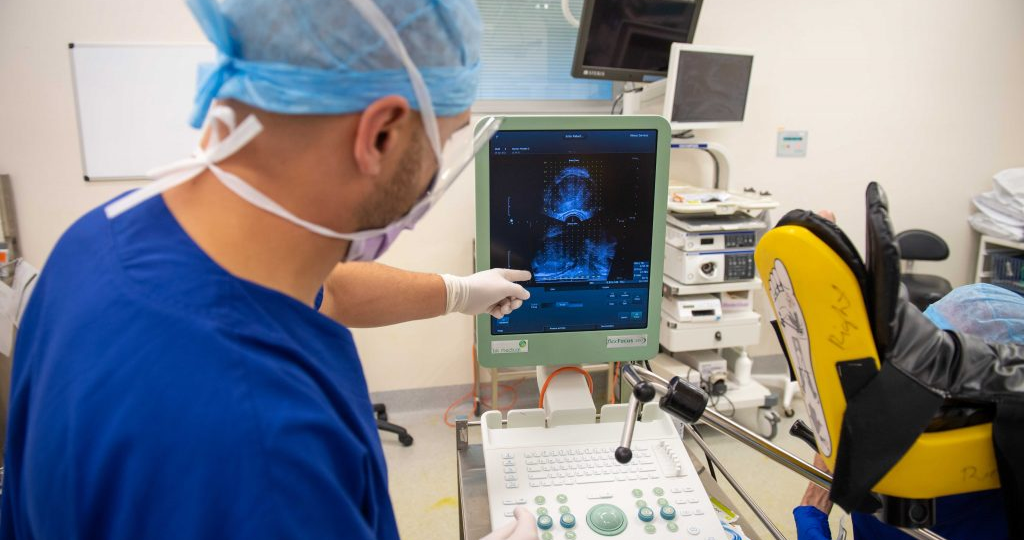
Prostate enlargement is a common health condition in men, especially as they get older. In medical terms, it is often called Benign Prostatic Hyperplasia (BPH). This condition happens when the prostate gland becomes larger than normal. The prostate is a small gland located below the bladder and in front of the rectum. It plays an important role in male reproductive health.
When the prostate becomes enlarged, it can press on the urethra (the tube that carries urine out of the body). This pressure can cause problems in urination and daily comfort. The good news is that many men can manage prostate enlargement without surgery through lifestyle changes, medications, and natural approaches.
In this article, we will explain different prostate enlargement treatment options without surgery in simple and clear language.
What Are the Symptoms of Prostate Enlargement?
Before understanding treatment, it is important to know the symptoms. Common signs include:
- Frequent urination, especially at night
- Weak urine flow
- Difficulty starting urination
- Feeling that the bladder is not fully empty
- Sudden urge to urinate
- Dribbling after urination
These symptoms can affect sleep, work, and daily life, but they are usually manageable without surgery in many cases.
Non-Surgical Treatment Options for Prostate Enlargement
There are several ways to treat prostate enlargement without surgery. Doctors usually start with simple treatments first.
1. Lifestyle Changes
One of the easiest and most effective ways to manage prostate enlargement is by improving daily habits.
Drink Water Smartly
Drink enough water during the day, but avoid drinking large amounts before bedtime. This can reduce night-time urination.
Reduce Caffeine and Alcohol
Coffee, tea, and alcohol can irritate the bladder and increase urination. Reducing them helps improve symptoms.
Healthy Diet
A balanced diet rich in vegetables, fruits, and whole grains supports prostate health. Foods rich in zinc and omega-3 fatty acids may also help.
Regular Exercise
Walking, light jogging, or yoga improves blood flow and helps maintain hormonal balance.
2. Medications (Most Common Non-Surgical Treatment)
Doctors often prescribe medicines for prostate enlargement. These do not require surgery and are widely used.
Alpha Blockers
These medicines relax the muscles of the prostate and bladder neck. This makes urination easier and faster.
5-Alpha Reductase Inhibitors
These help shrink the prostate over time by reducing certain hormones.
Combination Therapy
Sometimes doctors use both types of medicines together for better results.
⚠️ Important: Always take medication only under a doctor’s advice.
3. Natural Remedies and Herbal Support
Some natural approaches may help improve prostate health. While they are not a replacement for medical treatment, they can support overall well-being.
Saw Palmetto
This is a popular herbal supplement that may help reduce urinary symptoms.
Pumpkin Seeds
Pumpkin seeds are rich in nutrients like zinc, which may support prostate health.
Green Tea
Green tea contains antioxidants that may help reduce inflammation.
Healthy Hydration
Drinking enough clean water helps flush the urinary system.
4. Bladder Training Techniques
Bladder training is a simple but effective method.
- Try to delay urination gradually
- Follow a fixed bathroom schedule
- Strengthen bladder control over time
This helps reduce sudden urges and improves control.
5. Minimally Invasive Treatments (Still Non-Surgical)
If lifestyle changes and medicines are not enough, doctors may suggest minimally invasive procedures. These are not traditional surgery and usually have faster recovery.
UroLift Procedure
Small implants are used to lift and hold the prostate tissue, so urine can flow more easily.
Microwave Therapy
Heat energy is used to reduce extra prostate tissue.
Laser Therapy (Minimally Invasive)
A laser helps remove or shrink excess prostate tissue without major surgery.
These options are usually done in clinics and do not require large cuts or long hospital stays.
6. Stress Management
Stress can worsen urinary symptoms. Managing stress helps improve overall health.
- Practice deep breathing
- Try meditation
- Get enough sleep
- Stay physically active
A relaxed mind supports a healthier bladder system.
7. Regular Medical Checkups
Even if symptoms are mild, regular checkups are important. Doctors can monitor prostate size and ensure there are no complications.
Early diagnosis helps avoid serious problems and reduces the need for surgery.
When Should You See a Doctor?
You should consult a doctor if you experience:
- Severe difficulty in urination
- Blood in urine
- Pain while urinating
- Complete inability to urinate
- Frequent urinary infections
These symptoms may require immediate medical attention.
Can Prostate Enlargement Be Fully Cured Without Surgery?
In many cases, prostate enlargement cannot be completely “cured,” but it can be well controlled without surgery. Many men live comfortably with medications, lifestyle changes, and natural support.
The goal of treatment is to:
- Reduce symptoms
- Improve urine flow
- Improve quality of life
- Prevent complications
Final Thoughts
Prostate enlargement is a common condition, especially in older men, but it does not always require surgery. Today, there are many prostate enlargement treatment options without surgery, including medicines, lifestyle changes, natural remedies, and minimally invasive procedures.
The best results usually come from combining healthy habits with proper medical guidance. If symptoms are mild or moderate, non-surgical treatments are often very effective.
Taking care of your diet, staying active, reducing stress, and following your doctor’s advice can make a big difference in managing this condition.
FAQs
1. Can prostate enlargement be treated without surgery?
Yes, many cases can be managed with medications, lifestyle changes, and non-surgical treatments.
2. What is the best non-surgical treatment for BPH?
There is no single best treatment. Doctors often recommend alpha blockers, 5-alpha reductase inhibitors, or a combination based on symptoms.
3. Are natural remedies enough to treat prostate enlargement?
Natural remedies may help reduce symptoms, but they should not replace medical treatment.
4. Is prostate enlargement dangerous?
It is usually not life-threatening, but if untreated, it can cause serious urinary problems and complications.
5. When is surgery needed for prostate enlargement?
Surgery is considered only when symptoms become severe or other treatments do not work.
