

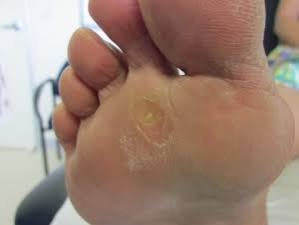
Athlete’s foot is a common fungal skin infection that affects the feet. A podiatrist evaluates your symptoms and recommends treatment based on your diagnosis and healthcare needs. Learning to recognize athlete’s foot symptoms can help you better understand when to seek professional care. Here is more information about recognizing the symptoms of athlete’s foot:
Recognizing Early Symptoms
Athlete’s foot often develops between the toes and is able to cause changes to the skin. Symptoms may include:
- Redness
- Scaling
- Itching
- Burning
- Irritation
A podiatrist evaluates your symptoms and discusses treatment options based on your diagnosis and healthcare needs. Certain environments and activities may increase exposure to fungi associated with athlete’s foot.
Understanding Symptom Progression
Athlete’s foot symptoms may change over time without appropriate treatment. Some people experience increased redness, scaling, itching, blistering, or skin irritation as the infection progresses. The affected area sometimes extends beyond the spaces between the toes to other parts of the foot. A podiatrist evaluates symptom changes and recommends treatment based on your diagnosis and healthcare needs.
Managing Infection Spread
Athlete’s foot can spread through direct contact with contaminated surfaces or infected skin. Shared floors, towels, shoes, and other personal items is able to increase exposure to the fungus. A podiatrist evaluates the affected area and recommends treatment based on your diagnosis.
Without treatment, athlete’s foot may spread to other areas of the feet or body. Some people also develop additional skin concerns that require medical evaluation. Your podiatrist is able to discuss treatment options and preventive care based on your healthcare needs. Follow-up care may be recommended according to your symptoms and recovery.
Recognizing Concerning Symptoms
Some cases of athlete’s foot may require evaluation by a podiatrist. Your provider assesses your symptoms and recommends treatment based on your diagnosis and healthcare needs. Signs that often warrant medical evaluation include:
- Persistent Symptoms: Symptoms continue despite over-the-counter treatment.
- Open Sores: Blisters or sores do not appear to heal.
- Spreading Infection: Symptoms extend to the nails, hands, or other areas.
- Signs of Infection: Swelling, warmth, or drainage develops.
A podiatrist discusses treatment options based on your examination findings. Prescription medications may be recommended when appropriate. Treatment recommendations vary according to each patient’s healthcare needs. Follow-up visits allow your provider to monitor your progress.
Supporting Foot Health
Good foot hygiene may help reduce exposure to fungi associated with athlete’s foot. Keeping your feet clean and dry is an everyday part of foot care. A podiatrist discusses preventive care based on your lifestyle and healthcare needs.
Changing damp socks and wearing breathable footwear may help keep your feet dry. Some people also choose protective footwear in shared areas such as locker rooms or pool decks. Recommendations vary according to each person’s activities and risk factors. Your provider explains appropriate preventive measures during your visit.
A podiatrist is also able to recommend avoiding shared personal items such as towels or shoes. Preventive care should be continued after symptoms improve. Follow-up visits allow your provider to discuss ongoing foot care and answer your questions.
Schedule Your Athlete’s Foot Evaluation
Athlete’s foot sometimes requires professional evaluation when symptoms persist or worsen. A podiatrist evaluates the affected area and recommends treatment based on your diagnosis and healthcare needs. Early evaluation helps your provider develop an appropriate treatment plan and discuss preventive care. Schedule an appointment today with a specialist to discuss your symptoms and available treatment options with a podiatrist.
