

Physical activity supports overall well-being, but movement carries a risk of strain and injury. Whether someone regularly engages in athletic activity or performs demanding physical labor, the body can experience wear, sudden trauma, or gradual discomfort. Sports medicine brings together several areas of medical knowledge to support injury care, recovery, and long-term physical function.
What Is Sports Medicine?
Sports medicine is a branch of health care centered on the treatment of injuries related to physical activity and exercise. It aims to help the body function well during activity, and this can help support a safe return to routine after an injury. Sports medicine also places attention on prevention, guiding people toward habits and techniques that lower the chance of future harm.
When Should You Seek Care?
Many physical complaints connected to movement fall within the reach of sports medicine; recognizing the signs early can support a smoother recovery. Joint pain or swelling that appears during or after activity is a common concern, often affecting the knees, shoulders, ankles, or elbows. Muscle strains and sprains caused by overstretching or sudden movement are also frequently addressed.
Reduced range of motion that limits the ability to bend or rotate a joint is another reason to seek treatment. Persistent soreness that does not improve with rest often requires medical intervention; repetitive stress injuries that develop gradually from repeated motion are another sign that care may be appropriate. The field applies to acute events, such as a twisted ankle, as well as long-standing concerns that develop over time.
What Care Falls Under It?
Sports medicine offers a range of treatment options tailored to the individual, the nature of their injury, and the level of activity they hope to return to. Care often begins with conservative methods, but management can advance in scope and technique as needed. Common approaches to address sports injuries vary, including:
- Conservative Treatment: Initial care frequently involves structured rest, activity modification, or taping to reduce strain on the affected area.
- Physical Rehabilitation: A step-by-step rehabilitation plan supports a gradual return to activity while reducing the likelihood of re-injury.
- Targeted Steroid Injections: Anti-inflammatory medication delivered directly to the affected area can help reduce swelling and relieve pain.
- Selective Nerve Root Blocks: For pain that originates from a nerve root, a precisely guided injection may interrupt the pain signal and provide relief.
- Radiofrequency-based Ablation: This minimally invasive procedure uses controlled heat to disrupt nerve signals responsible for chronic pain.
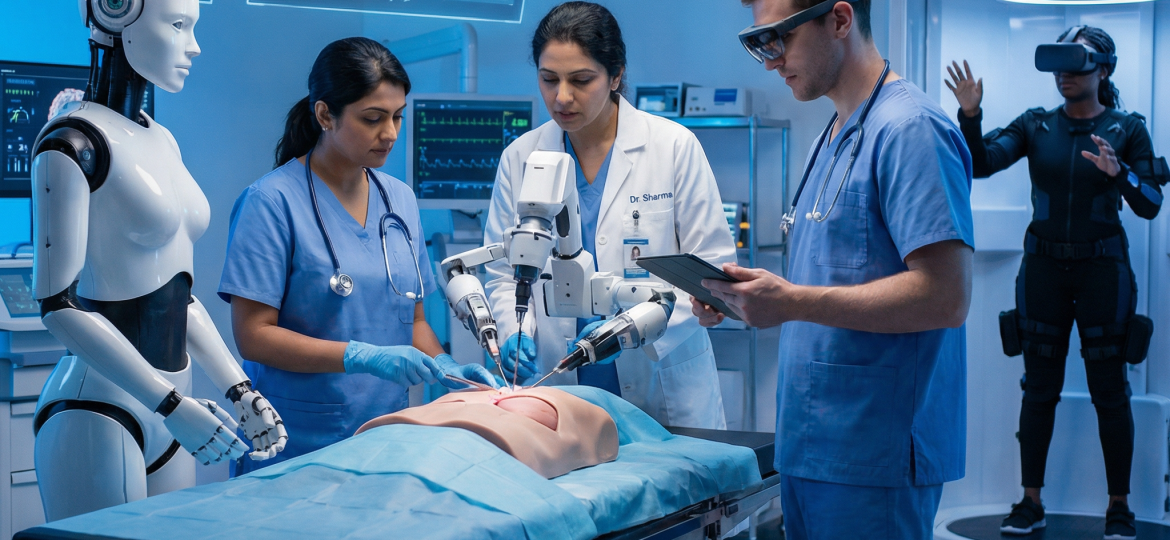
- Robotic-assisted Surgery: When surgical intervention is necessary, robotic-assisted techniques allow for greater precision and smaller incisions compared to traditional approaches.
A treatment plan may draw on several of these services in sequence, guided by how the individual responds and what their goals require.
Seek Professional Medical Services
Sports medicine offers a structured path for people who want to care for injuries and restore movement. Early attention to symptoms can lead to clearer outcomes, and a coordinated plan helps individuals return to their usual activities. Those experiencing discomfort or seeking medical guidance may benefit from meeting a health professional, allowing them to pursue personalized treatment.
