

Vascular health refers to the condition of your blood vessels, including the arteries and veins that carry blood throughout your body. When your veins function well, blood moves efficiently back to the heart, but when they weaken or become damaged, symptoms can appear. You may want to visit a vein clinic if you notice swelling, aching legs, visible varicose veins, skin changes, or slow-healing sores. A vein clinic focuses on treating conditions that affect circulation, bringing together specialists who assess your symptoms and outline treatment options. Here’s information on vein clinics and how they support vascular health:
Offering Timely Wound Care
Chronic venous insufficiency (CVI) occurs when the valves in your leg veins no longer work properly, which allows blood to pool instead of flowing back toward the heart. This pooling raises pressure in the lower legs and can cause swelling, skin discoloration, and hardened tissue. In advanced cases, the increased pressure may damage the skin and lead to venous ulcers, which are open wounds. These wounds, which often develop near the ankles, heal slowly and may require ongoing medical attention. A vein clinic can provide wound care that addresses the ulcer and the underlying vein problem, so treatment focuses on the source rather than the symptom alone.
Offering Advanced Treatment Options
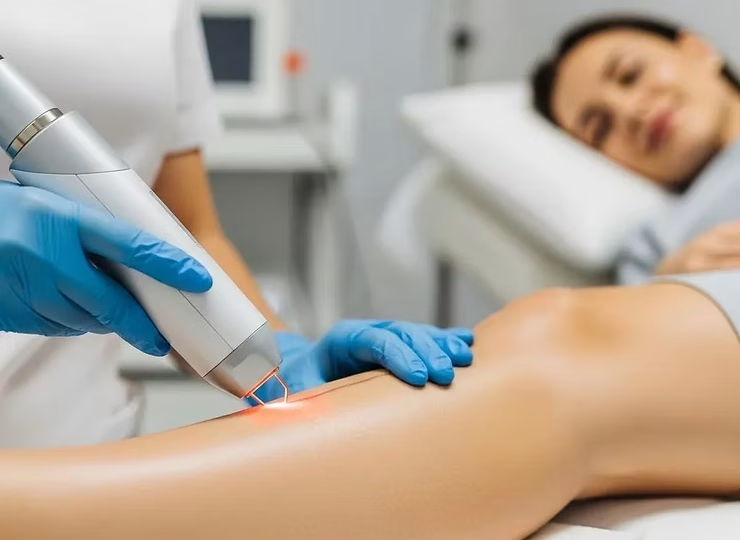
Vein clinics offer a range of procedures for specific vascular conditions. Sclerotherapy involves injecting a solution into small or medium veins, so this approach is used for spider and varicose veins. The treated vein gradually closes and fades from view. Radiofrequency (RF) ablation uses heat generated by radio waves to close larger problem veins, while endovenous laser therapy uses laser energy to achieve a similar result. Both methods are commonly recommended for varicose veins linked to chronic venous insufficiency.
During these minimally invasive procedures, the affected vein is sealed, and blood reroutes to healthier nearby veins. The right option depends on the size and location of the vein, along with your overall assessment. A specialist reviews your circulation and explains which approach may suit your situation.
Offering Lymphedema Care
Lymphedema is swelling that develops when lymph fluid builds up in the tissues, usually in the arms or legs. It happens when the lymphatic system is damaged or blocked, which prevents fluid from draining normally. Common causes of lymphedema are:
- Surgery That Removes Lymph Nodes
- Radiation Therapy
- Infection
- A Condition Present From Birth
Management typically centers on reducing swelling and maintaining function. A vein clinic may use compression therapy, manual lymphatic drainage, and guided exercises to encourage fluid movement. Skin care also plays a role, since keeping the skin clean and moisturized can lower the risk of infection. Because lymphedema is often an ongoing condition, care plans usually focus on consistent, long-term maintenance rather than a single procedure.
Find an Appropriate Vein Clinic
Choosing the right vein clinic starts with understanding your symptoms and the type of care you may need. Look for a clinic that offers a full evaluation, explains its findings, and provides treatment options suited to different conditions. Taking the time to compare your options can help you find a setting where your concerns are taken seriously. Think about the specialists’ qualifications, the technology available, and how the clinic communicates with you. To manage your vein health effectively, contact a vascular specialist near you for a consultation.
