

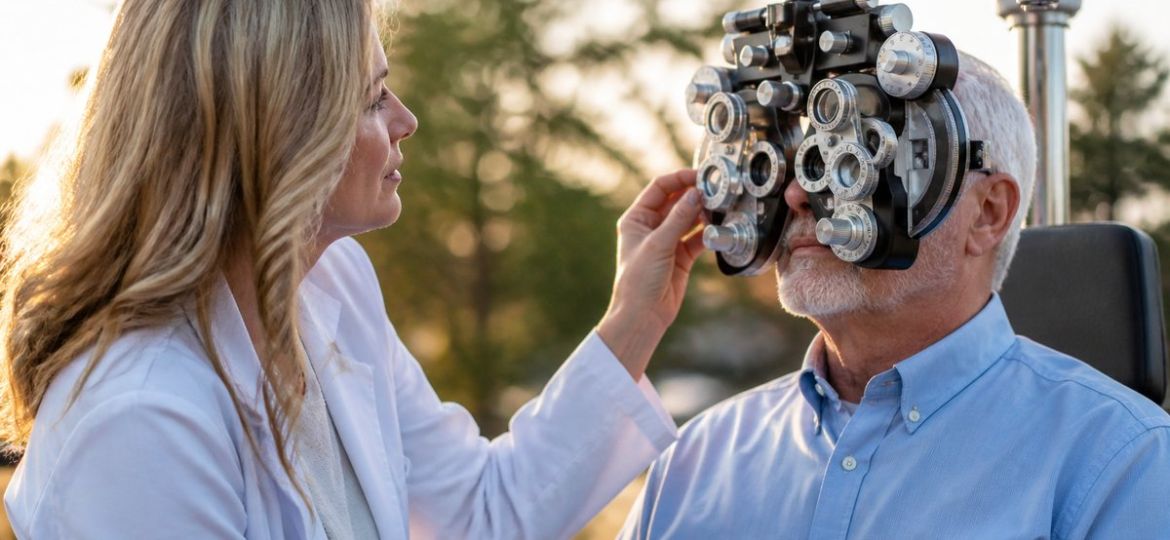
Regular eye exams help track changes in your vision and health over time, and they can prevent problems from escalating. Even if your sight feels stable, subtle shifts may develop between visits and affect daily tasks. When exams happen on a consistent schedule, your eye doctor compares new results with past records, and this comparison supports more precise recommendations. Here are some reasons to get regular eye exams:
Detecting Eye Issues Early
Many eye conditions develop slowly, and they stay quiet until damage has already progressed. An exam evaluates structures like the retina and optic nerve and measures your prescription. When problems are revealed during eye exams, treatment options are broader, and the long-term outlook typically improves.
Avoiding Serious Problems
Some eye diseases advance without discomfort and only draw attention once vision changes become obvious. An exam may reveal early warning signs, and those signs guide next steps before damage worsens. Regular visits also help your doctor track risk factors, which supports decisions about follow-up care. Take these steps during exams:
- Identify pressure changes inside the eye before they affect sight.
- Spot early cataract development while vision is still clear.
- Monitor retinal health if you live with chronic medical conditions.
- Update prescriptions to reduce eye strain during work and reading.
Monitoring Overall Health
The blood vessels and nerves inside the eye reflect what happens in the rest of the body. During an exam, your doctor views these structures directly, and that view sometimes reveals signs of systemic disease. When changes appear, your eye doctor may coordinate with your primary provider, and this teamwork supports more complete care.
Conditions like high blood pressure or blood sugar issues may affect delicate eye tissues, and they influence long-term vision stability. Since these changes develop over time, scheduled exams create a timeline, and this timeline highlights patterns that might otherwise stay hidden. Early patterns guide lifestyle adjustments, and they also shape medical treatment plans.
Some medications affect the eyes, and regular testing tracks how your vision responds while you use them. If an exam shows new dryness or shifts in focusing ability, your doctor discusses options, and those options may include dosage changes. This type of monitoring helps balance treatment benefits with visual comfort.
Preventing Vision Loss
Vision loss often starts with minor blind spots or reduced contrast, and these subtle changes escape notice during busy days. An exam uses detailed tests that pick up these small shifts, and those tests build a clearer picture of risk. When your doctor sees change at this stage, targeted treatment plans help slow or prevent further loss.
Regular eye exams also keep your glasses or contact lens prescription accurate, and accurate lenses reduce strain on your eyes. When strain decreases, daily tasks like reading and driving feel more stable, and that stability supports long-term comfort. Over years, this steady approach helps protect both clarity and the health of your vision.
Schedule Regular Eye Exams
Setting an exam date places your eye health on a predictable schedule, and that schedule simplifies future planning. When you attend on time, your doctor updates records, answers questions, and adjusts your plan as needed. To learn more about what an exam includes, visit an optometry clinic near you.
