

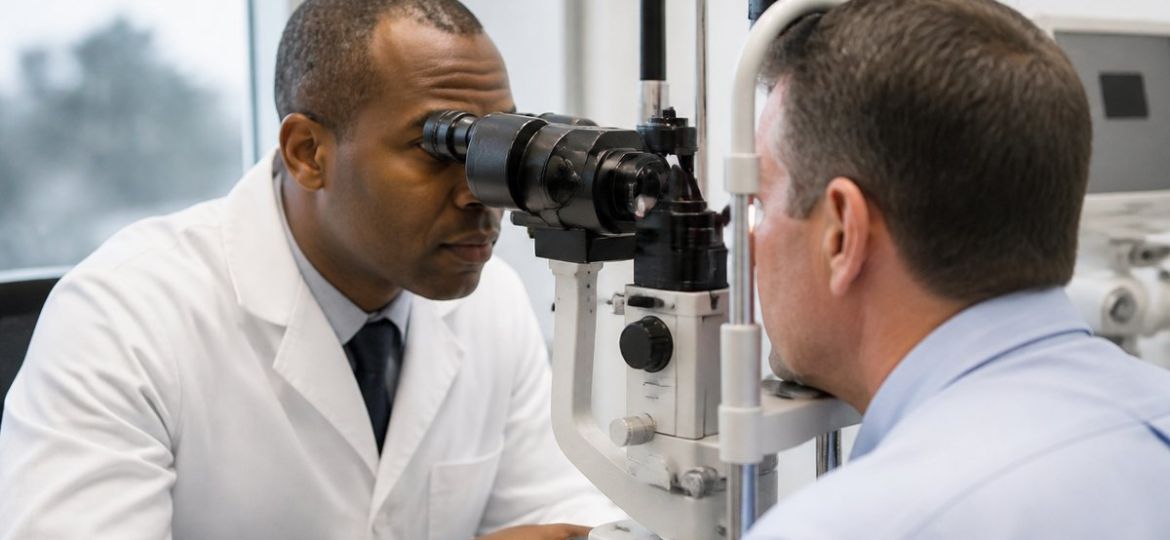
Laser vision correction treats refractive errors by reshaping the cornea with a precisely guided laser. The procedure improves how light focuses on the retina, and it may reduce dependence on glasses or contact lenses. Although different procedures follow this principle, their techniques vary according to individual eye structure and health. Here are several questions and answers that explain key aspects of laser vision correction:
What Are Laser Procedures?
Laser vision correction begins with detailed corneal measurements before treatment. A computer-guided laser removes microscopic layers of tissue, changing the cornea’s curvature. This adjustment helps light focus more accurately on the retina, improving visual clarity. Possible procedures include LASIK, PRK, and other surface-based treatments.
During LASIK, the surgeon creates a thin corneal flap and reshapes the underlying tissue with a laser. They then reposition the flap. PRK involves removing the cornea’s outer cell layer before reshaping the tissue with a laser. While LASIK may provide faster visual recovery, PRK offers an alternative for patients who aren’t suitable candidates for corneal flaps. The most appropriate option depends on individual eye measurements and overall ocular health.
Who Can Qualify for Them?
Eligibility for laser vision correction depends on several clinical factors that an eye doctor reviews during a comprehensive exam. The doctor evaluates prescription stability, corneal thickness, and overall eye health; these findings guide the treatment plan. Patients who may qualify sometimes meet the following criteria:
- Adults with stable prescriptions over a specified period
- Corneal mapping results showing sufficient thickness and appropriate shape for safe reshaping
- Existing eye conditions, such as significant dry eye, that may influence eligibility
- General health factors, including certain medications, that affect healing
- Pregnancy or recent breastfeeding, which may cause prescriptions to fluctuate and delay treatment
How Is Safety and Recovery Managed?
Safety during vision correction procedures depends on careful screening, precise technology, and adherence to postoperative instructions. During evaluation, the doctor identifies potential risk factors, including corneal weakness and significant dryness. If measurements are within acceptable ranges, a customized treatment plan determines the amount of tissue removed. Patients may receive instructions about eye drops, activity restrictions, and follow-up appointments to support healing and visual stability.
Recovery experiences vary slightly between procedures, but many patients notice vision changes relatively soon. Some experience clearer vision within days, while others notice gradual improvements as the cornea heals. Temporary symptoms, including dryness, glare, or halos around lights, may occur but generally improve over time. Regular follow-up appointments allow the doctor to:
- Monitor corneal healing
- Adjust prescribed eye drop schedules
- Evaluate new or persistent symptoms
- Assess visual progress
Find a Laser Vision Correction Specialist
Patients sometimes prefer local eye care because regular follow-up appointments are easier to schedule and attend. Individuals may seek practices experienced in refractive assessments and various treatment options. Detailed diagnostic testing helps ophthalmologists develop recommendations based on each patient’s eye health. A consultation provides an opportunity to review eligibility and discuss procedural steps; it also helps establish realistic expectations for postoperative vision. Because individual needs and recovery experiences vary, understanding the available options before deciding can support more informed treatment choices. Contact an ophthalmologist to learn more about available vision correction options.
