

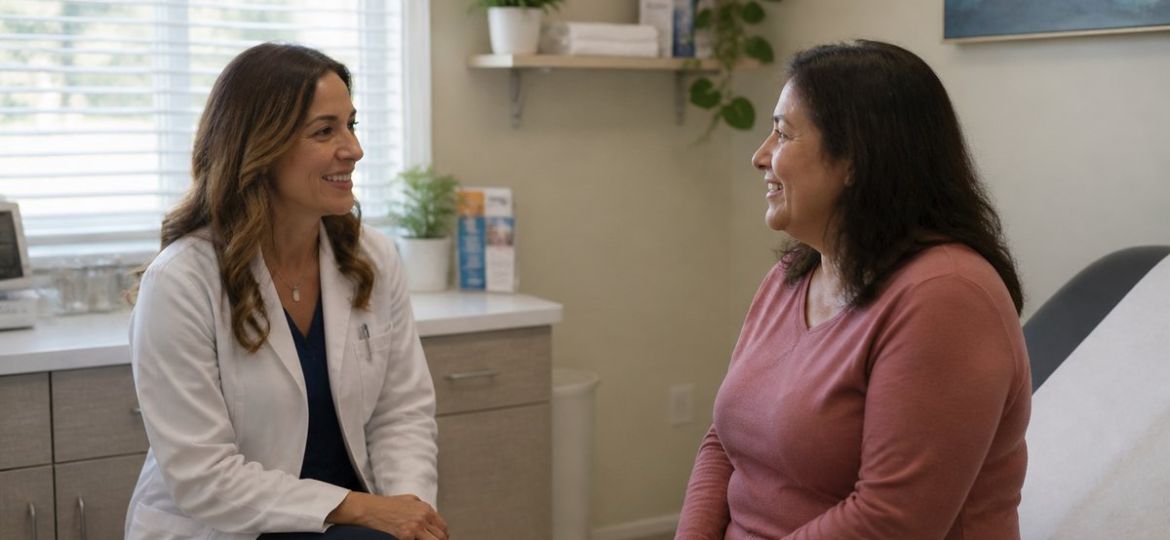
Regular visits to an OB/GYN support reproductive health starting from adolescence. These appointments address changing needs at every stage and give you a place to ask direct questions about your body. An OB/GYN evaluates concerns such as menstrual changes, pregnancy, and menopause symptoms, and they track patterns over time. This creates a clear record of your health, which guides future care as your needs shift. Here are several benefits of visiting an OB/GYN throughout your life:
Building Lifelong Habits
Early visits introduce healthy habits that continue into adulthood, and they help normalize routine reproductive care. A visit in your teens often focuses on education about menstrual cycles, hygiene, and safe practices. It can also set expectations for future exams. Regular appointments in your twenties and thirties support planning around contraception, pregnancy, and screening schedules. Your OB/GYN gains a detailed picture of your health over time, which supports more tailored guidance as you age.
Tracking Health Changes
An OB/GYN monitors changes through each phase of life. They address a wide range of symptoms, including pelvic pain and vaginal dryness. Regular exams can highlight shifts in your cycle, comfort, and overall wellness, and they help connect those shifts to age or life events. Services include the following:
- Screening visits detect early signs of infection, and they guide treatment before symptoms progress.
- Pelvic and breast exams identify tissue changes and direct follow-up testing when needed.
- Contraception reviews align methods with your current health, and they adapt as your goals change.
- Preconception visits review medical history and help you prepare your body for pregnancy.
- Perimenopause and menopause visits address new symptoms and outline options for symptom management.
Women’s healthcare specialists also screen for cervical cancer. These screenings may include Pap tests and HPV testing to identify abnormal cell changes early. Your provider explains the results, recommends additional testing when appropriate, and creates a follow-up plan that supports long-term reproductive and overall health. They also answer questions about long-term risk, and they help you make informed decisions about preventive care.
Supporting Life Stages
Healthcare needs evolve throughout life, and an OB/GYN tailors care to address these changing needs. During the childbearing years, appointments may focus on fertility, pregnancy, and postpartum recovery. Providers also evaluate menstrual discomfort and irregularities. As patients enter later stages of life, care may shift toward bone health, pelvic floor function, and recommended long-term screening. This approach helps patients prepare for health transitions as their bodies change.
Finding a women’s healthcare practice that understands the needs of the local community supports consistent, long-term care. An established provider can become familiar with your preferences and medical history, so their recommendations reflect your individual health needs and lifestyle. When questions arise between appointments, an ongoing provider relationship helps make it easier to communicate concerns and seek timely guidance.
Find an Experienced OB/GYN
Routine OB/GYN visits connect reproductive health with overall wellness while providing an opportunity to address broader health concerns. Screenings, examinations, and conversations help identify patterns affecting energy levels and daily comfort. These findings can allow providers to recognize potential hormonal influences and other contributing factors. Consistent monitoring supports early intervention when new concerns arise, and it helps patients make informed decisions about their healthcare options. Contact a local OB/GYN to schedule an appointment.
