

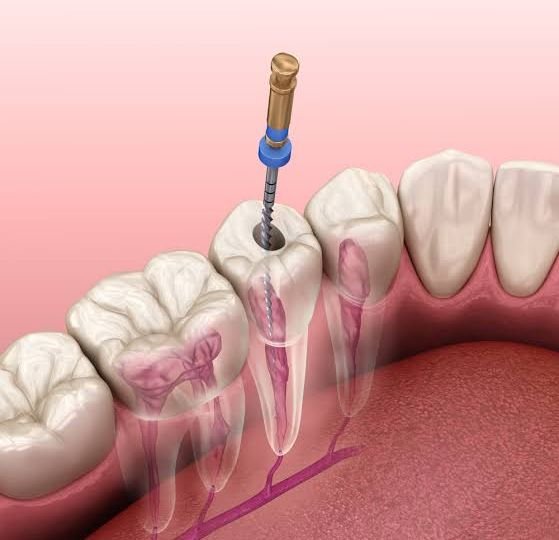
Each tooth contains a soft center called the pulp, which holds nerves, blood vessels, and connective tissue. When bacteria reach this area, the pulp can become inflamed or infected. A root canal treats infection or damage inside a tooth. This therapy lets patients keep their natural teeth instead of replacing them, and it restores normal function to the affected tooth. Here’s more information on root canals and how they work to support oral health:
The Signs and Symptoms of Infection
Several indicators may point to the need for a root canal. Persistent tooth pain, especially when chewing or applying pressure, is one common sign. Patients needing this therapy also commonly report prolonged sensitivity to hot or cold temperatures that lingers after the source is removed. Other signs someone may need root canal therapy include:
- Swelling Near the Gums
- Tenderness in Surrounding Tissue
- Tooth Discoloration
Some individuals notice a small bump on their gums, which may indicate a drainage point for infection. In some cases, a tooth shows no symptoms, and the issue is discovered during a routine dental exam or X-ray. A dental professional evaluates these signs to determine whether root canal therapy is appropriate.
The Procedure Process
Root canals typically take two appointments, depending on the tooth’s condition and the case’s complexity. The dentist begins by numbing the treatment area with local anesthesia. Once the tooth is numb, the dentist creates a small opening in the crown to access the pulp chamber. The dentist then removes the infected or damaged pulp and cleans the interior canals.
The dentist shapes the canals to prepare them for filling, using specialized instruments designed for precise work. After cleaning, the dentist fills the canals with a biocompatible material, often gutta-percha, which supports the tooth’s internal structure. A temporary or permanent filling closes the access opening. In many cases, the treated tooth later receives a crown to protect it and restore strength, and this final restoration helps it withstand normal biting forces.
The Necessary Aftercare
After treatment, patients can support their recovery and overall oral health in key ways. Mild sensitivity in the days after treatment is common, but it usually decreases quickly. Proper aftercare helps protect the tooth and maintain results. To support recovery, follow dental tips like:
- Avoid chewing on the treated tooth until the provider places a permanent restoration.
- Keep brushing twice daily and flossing to keep the treated area and your whole mouth clean.
- Take any medication as directed by your dental provider.
- Eat soft foods for the first day or two if the area feels tender.
- Attend follow-up appointments to complete the restoration and monitor healing.
- Contact the dental office if swelling or discomfort increases instead of improving.
Regular checkups allow a dental provider to monitor the treated tooth and address concerns early.
Learn About Root Canal Therapy
A root canal is a commonly used treatment that helps patients preserve their natural teeth. Each person’s situation is unique, and care details depend on factors such as the tooth’s location and the infection’s extent. Regular specialist visits promote timely care that supports your smile, no matter your health needs. If you notice symptoms such as persistent pain, sensitivity, or swelling, don’t wait to contact a dentist. They can examine your teeth, review any necessary imaging, and explain your options in detail.
