

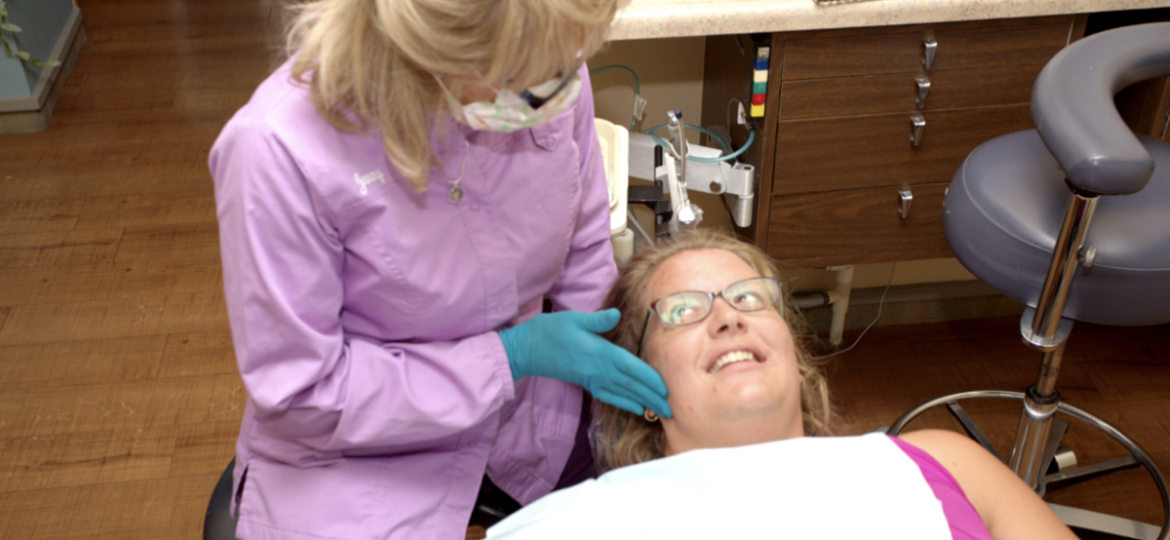
Regular dental care supports your overall health, not just your smile’s appearance. Your mouth reflects changes throughout your entire body, and a dentist can spot early signs of concerns during routine checkups. Preventive dental care focuses on stopping problems before they grow, which often means simpler treatment and fewer visits over time. Cleanings, exams, and honest conversations with your dentist form the foundation of this approach. Here’s how to communicate effectively with your dentist to support your health:
Discuss Your Symptoms
Start every dental appointment by describing what you have noticed; mention any pain, sensitivity, bleeding, or changes in your gums or teeth, even if they seem minor. Small details help your dentist understand the full picture of your health and decide which areas need closer attention. Your medical history matters too, so share past surgeries, ongoing health conditions, and any recent changes in your health. Your dentist needs this information to effectively plan for your oral health needs.
To help your appointments be effective, list your current medications, including prescriptions, over-the-counter products, and supplements. Certain medications affect the mouth, and your dentist should know what you take before recommending any treatment. If you are unsure of a name or dose, bring the containers with you so nothing gets overlooked.
List Your Questions
Before your visit, write down anything you want to ask, and keep the list with you during your appointment. Medical appointments often move quickly, and it is easy to forget a concern once you settle into the chair. A prepared list keeps the conversation focused and helps you address your priorities. Your questions might cover topics like your:
- Treatment Options
- Home Care Efforts
- Future Visit Schedule
Ask about anything that feels unclear, since clarifications help you follow through on health recommendations. When you know what to expect and you understand your needs, you can make informed decisions about your care. This preparation also benefits your dentist. Clear questions signal what matters most to you, allowing your dentist to spend appointment time where it counts. This shared focus leads to a more productive visit and effective long-term care.
Explain Your Oral Habits
Your daily routines shape the condition of your teeth and gums, so describe them honestly. Tell your dentist how often you brush and floss, which products you use, and whether you struggle to keep up with these habits. Accurate information leads to better guidance.
At your routine appointments, discuss lifestyle factors too. Grinding your teeth, chewing ice, using tobacco, or drinking sugary beverages all affect your oral health in different ways. Diet also plays a role, so note any patterns worth discussing.
With this information, your dentist can offer personalized advice suited to your health needs. General tips help, but recommendations based on your habits tend to work better. You might learn a new technique, switch to a different product, or adjust a routine that quietly harms your teeth. Small changes, made consistently, can improve your oral hygiene and support your smile’s health.
Schedule a Timely Dentist Visit
Effective communication turns a routine checkup into a healthcare partnership. When you describe your symptoms, share your medical history, list your questions, and explain your habits, you give your dentist the details needed to guide your care. Each conversation builds on the last, creating a clearer record of your oral health over time. If you have any questions on how to prepare for your appointment, contact a dental practice for personalized advice. Consistency keeps you informed and keeps your care on track.
