

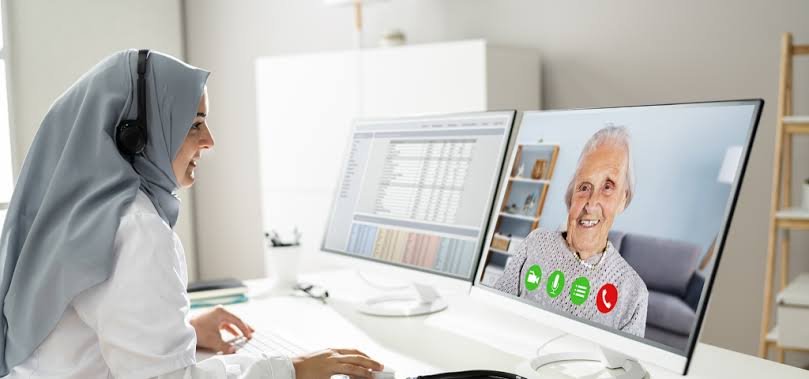
Telehealth has changed how patients access medical information and care. Patients can now connect with providers from home, and this eliminates the need to wait for an in-person appointment to ask questions. Patients with chronic conditions or mobility limitations benefit, as telehealth removes some of the barriers that once restricted access to care. Here is more information on what telehealth is and how it enhances patient education:
What Is Telehealth?
Telehealth refers to the delivery of healthcare services through digital communication tools. Services encompass video appointments, prescription management, mental health counseling, and chronic disease monitoring. Telehealth is not a replacement for traditional care; it is an extension of it. Providers use these platforms to deliver real-time consultations, and they can share educational materials with patients through the same systems. Since communication tools and educational resources are integrated within a single platform, telehealth offers a more comprehensive experience than simple phone consultations.
Who Does It Help?
Telehealth benefits a wide range of patients, though its impact may be particularly notable among those managing ongoing health conditions. Chronic illnesses require consistent monitoring. Family medicine patients dealing with conditions such as diabetes, hypertension, or asthma can schedule frequent check-ins, and they can do so without the logistical demands of in-person visits. Mental health patients also benefit, as remote access removes the practical and psychological barriers that can discourage individuals from seeking care.
When geographic distance, limited transportation, and extended appointment wait times make healthcare difficult to access, rural and underserved populations may be unable to receive consistent care. Telehealth addresses these gaps. Patients in these communities can connect with qualified providers regardless of their location, and reduced logistical barriers mean previously inconsistent care becomes more structured and reliable.
How Is Patient Education Enhanced?
Patient education through telehealth occurs across multiple touchpoints, and each one plays a role in supporting patient understanding. Patient portals are commonly integrated with these platforms. They allow providers to send tailored recommendations after appointments. A family medicine patient managing high blood pressure may receive dietary guidelines and monitoring instructions. Since patients can review this content at their own pace, patient education is enhanced.
Telehealth also enables more consistent follow-up. Providers can schedule short check-in calls to answer questions that arise after a patient has had time to process new information, and this repeated, structured contact reinforces learning. Patients gain an opportunity to clarify misunderstandings early, which supports better long-term outcomes.
What Are the Benefits?
The benefits of telehealth in patient education include:
- Accessible resources: Condition-specific materials delivered to patients through secure portals
- Flexible follow-up: Scheduled check-ins that reinforce understanding and allow for clarification
- Real-time guidance: Digital tools that make complex information easier to understand
Family medicine and mental health patients benefit from continuity. A provider who sees a patient regularly through telehealth builds a detailed understanding of their health over time; this enables education that is precise and personalized rather than generic. Also, use meme maker to create tutorials that will not be boring for patients while learning.
Book an Appointment Today
Telehealth gives patients more opportunities to understand their health, and they can take informed steps toward better outcomes. Family medicine and mental health patients gain access to structured educational support that extends beyond a single appointment. If you are looking to take a more active role in managing your health, book a telehealth appointment.
