

Arthritis affects people across a wide range of backgrounds. The term refers to a group of conditions that involve inflammation and discomfort in the joints, and it can influence how a person moves, works, and completes daily activities. While arthritis notably affects older adults, it may develop at nearly any stage of life. Understanding what the condition is and how it can be managed helps individuals make informed decisions about their health.
What Is Arthritis?
Arthritis is a broad label used to describe joint pain and inflammation. Rather than a single disease, it represents more than one hundred related conditions that share similar symptoms. The most common forms include osteoarthritis and rheumatoid arthritis. Osteoarthritis develops when the protective cartilage that cushions the ends of bones gradually wears down over time. As this cushioning breaks down, the bones may rub against one another, and this produces stiffness and discomfort.
Rheumatoid arthritis works differently, and it occurs when the body’s immune system mistakenly targets the lining of the joints. Unlike osteoarthritis, rheumatoid arthritis can influence multiple areas of the body at once. Common symptoms across most types include joint pain, stiffness, swelling, and a reduced range of motion. These signs may come and go, or they persist and gradually intensify. Some people notice that stiffness feels more pronounced in the morning or after periods of inactivity.
What Causes It?
The origins of arthritis vary, depending on the specific type. Several factors are known to contribute to the development of joint problems. Many variables can play a part, and no two cases of arthritis are exactly alike. Notable risk factors include:
- Age plays a notable role. As the body ages, cartilage naturally becomes thinner and less resilient, which raises the likelihood of osteoarthritis.
- Genetics can also be a contributor. A family history of certain joint conditions may increase a person’s chances of developing arthritis, particularly with inflammatory forms such as rheumatoid arthritis.
- Previous joint injuries are another factor. Damage from sports, accidents, or repetitive strain can affect a joint long after the initial injury has healed, sometimes leading to arthritis in that area later in life.
- Body weight influences the stress placed on weight-bearing joints. Extra pressure on the knees, hips, and spine can accelerate the breakdown of cartilage over time.
Other contributors may include gender, certain infections, and occupational demands that require repetitive joint movement.
How Is It Treated?
Management of arthritis generally focuses on reducing discomfort, and treatment aims to maintain joint function. Approaches can combine several methods rather than relying on a single solution. Physical activity and exercise may be a part of a management plan. Physical therapy offers guided exercises, which are typically tailored to a person’s specific needs. A professional can demonstrate techniques designed to improve mobility and reduce strain on affected joints.
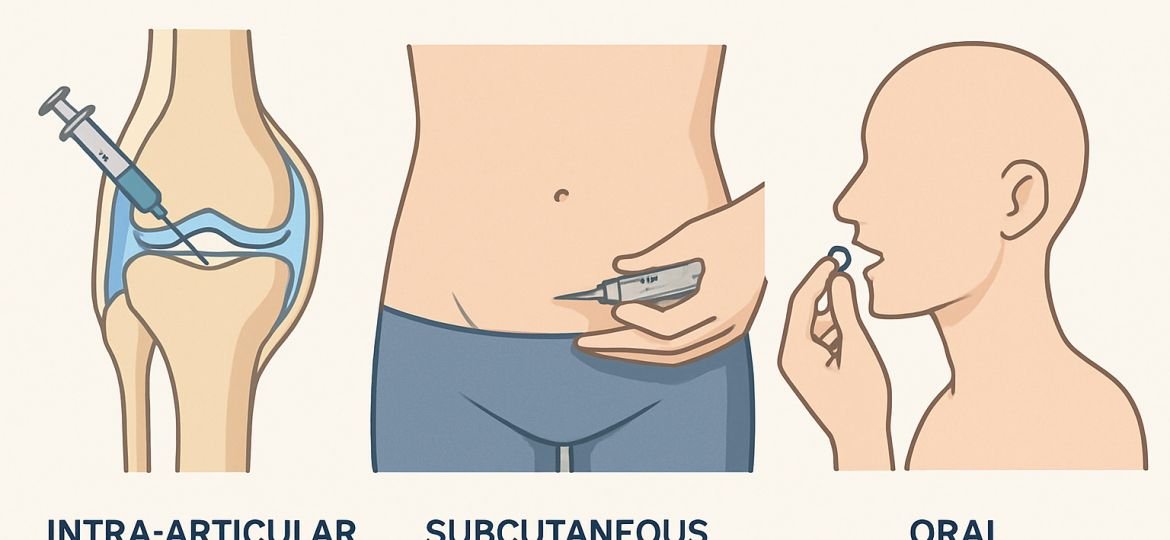
Medications and injections may be recommended by a healthcare provider to address pain and inflammation, ranging from over-the-counter products to prescribed treatments and targeted injections. Surgical procedures are sometimes discussed when other approaches have not produced the desired results. Joint repair or replacement may be an option for advanced cases. Every treatment plan should be developed alongside a provider who can evaluate an individual’s situation, and they will recommend suitable steps.
Meet With a Pain Specialist
A pain specialist is able to assess your symptoms, allowing them to outline a plan built around your specific needs. Early attention to joint changes may lead to more options in management, and ongoing support helps you stay active over time. Reaching out to a specialist is a practical first step toward understanding your options.
