

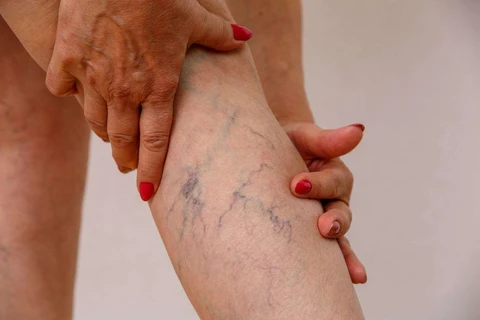
Vein problems affect many adults, and they can show up as visible veins on the legs, aching, swelling, or a heavy feeling after standing for long periods. These issues usually connect to how well the veins move blood back toward the heart. When the small valves inside a vein weaken, blood can pool, and the vein may enlarge or twist over time. Spider veins and varicose veins are two common results. There are several treatment paths. Each one works a little differently, and each suits certain vein sizes and locations.
Sclerotherapy
Sclerotherapy is a treatment often used for smaller veins, such as spider veins and some varicose veins near the surface of the skin. A specialist injects a solution directly into the targeted vein using a fine needle during this procedure. This solution irritates the inner lining of the vein, and this causes it to shrink and gradually close.
The treated vein is effectively closed, and blood naturally reroutes through healthier veins nearby. Over the following weeks, the closed vein fades from view as the body absorbs it. The sessions are usually short.
Depending on the number and size of veins, more than one appointment may be needed to reach the desired result. Sclerotherapy is generally performed in an office setting, and it does not require anesthesia. Patients are often encouraged to walk and to wear compression stockings for a set period of time after the procedure to support healing.
Vein Ablation
Vein ablation is a technique aimed at large veins that lie deep beneath the skin. Instead of using an injected solution, this method relies on heat energy to seal the vein from the inside. Radiofrequency ablation uses controlled radio waves, and laser ablation uses focused light energy. In both approaches, a thin catheter is guided into the vein, potentially with the help of ultrasound imaging. The specialist then applies energy along the vein wall, which causes the vein to close.
The procedure is minimally invasive, so patients may return to light daily activity soon afterward. As with sclerotherapy, blood flow shifts to nearby healthy veins once the treated vein is sealed. Compression stockings are often recommended during recovery to reduce swelling and support the treated leg.
Vein Closure
A vein closure system offers an alternative for closing larger veins without the use of heat. In this approach, a specialist places a small catheter into the vein and delivers a medical adhesive along its length. The adhesive seals the vein walls together, and blood then flows through healthier vessels instead. This system is performed in an office setting and is minimally invasive. As with the other methods, the sealed vein is gradually absorbed by the body over time.
Seek Care for Varicose Veins
Choosing among these treatments depends on several factors, including the size and depth of the affected veins, the symptoms you experience, and your overall vein health. A vascular specialist will examine your veins, and they may identify the source of the problem. With a clear understanding of each method and a professional assessment of your veins, you can move forward with a treatment plan that fits your needs.
