

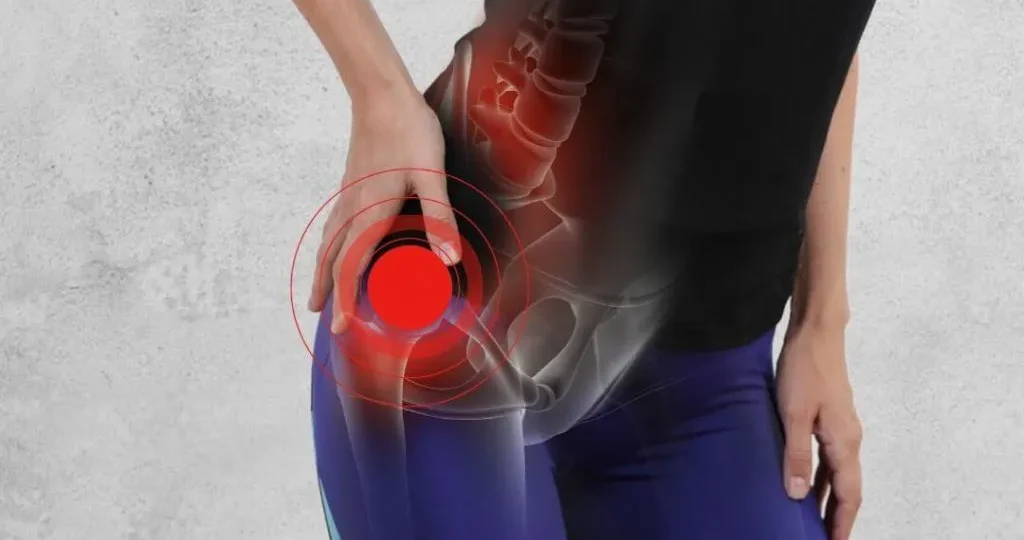
Sciatica specialists diagnose and treat nerve pain that radiates along the sciatic nerve. This pain is typically caused by a herniated disc or spinal stenosis, and a specialist identifies the underlying cause before recommending a plan. Treatment may begin with pain relievers and physical therapy. If symptoms persist, the plan may progress to oral steroids or steroid injections. Here is more information on sciatica and how a specialist treats it:
What Is Sciatica?
Sciatica refers to pain that travels along the sciatic nerve, which runs from the lower back through the hips and down each leg. Something compresses or irritates the nerve, and this compression typically involves a herniated disc, bone spur, or spinal stenosis. Symptoms range from a mild ache to a sharp, burning sensation. Numbness, tingling, and muscle weakness in the affected leg can make daily activities such as sitting or standing difficult.
Sciatica stems from many underlying conditions, so pinpointing the exact cause requires the right diagnostic tools. This is where sciatica specialists come in. They assess the nerve pathway, review imaging results, and identify which structures contribute to the pain, which helps shorten the diagnostic process.
What Are Sciatica Specialists?
Sciatica specialists are medical professionals who diagnose and treat conditions affecting the sciatic nerve. The specialist conducts a thorough assessment. The assessment identifies the location and severity of nerve compression, which forms the basis of a personalized treatment plan. Some cases resolve with conservative care, while others require a more targeted approach, such as injections or surgical referral.
What Services Do They Offer?
Sciatica specialists provide a range of diagnostic and treatment services tailored to each patient’s condition. Diagnostic imaging helps confirm the source of nerve compression. Treatment options include:
- Medication management
- Steroid injections
- Physical therapy
- Guidance on activity modification
Specialists monitor progress over time and adjust the treatment plan as symptoms change. This ongoing oversight helps prevent the condition from worsening or becoming chronic.
What Does Treatment Involve?
Treatment for sciatica generally starts with the least invasive options, and it progresses only if needed. Over-the-counter nonsteroidal anti-inflammatory drugs help reduce swelling around the irritated nerve. These medications can make daily activities more manageable while the body heals.
If pain persists, a specialist may prescribe oral steroids to bring down inflammation more aggressively. Steroid injections are delivered directly into the space around the spinal nerve, and they offer a more targeted option for patients whose symptoms do not respond to oral medication. These injections can provide weeks or months of relief. This gives the body time to recover.
Physical therapy plays a central role in treatment plans. A physical therapist teaches exercises that strengthen the lower back and core; these exercises improve flexibility while correcting movement patterns that may contribute to nerve compression. Because physical therapy addresses both the symptoms and root causes of sciatica, it supports longer-term recovery when combined with medication.
Learn More About Treatment Today
Sciatica can interrupt daily life, but you can find relief with proper guidance. Specialists diagnose the underlying cause, and they will build a treatment plan that may include pain relievers, oral steroids, steroid injections, and physical therapy. Each option targets inflammation and nerve irritation from a different angle, giving patients multiple tools for managing pain. If sciatic pain has lasted more than a few weeks or interferes with movement and sleep, contact a specialist to discuss a treatment plan.
