

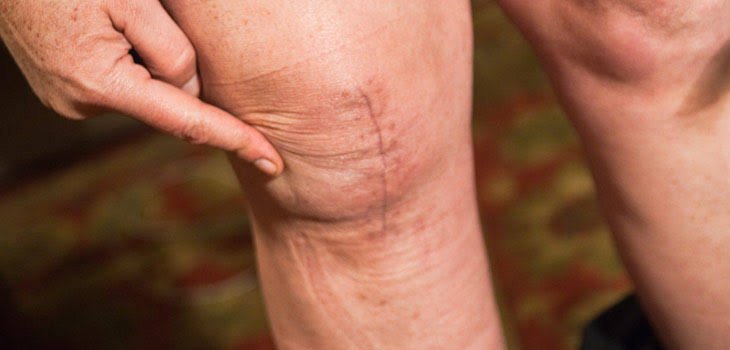
Arthritis refers to inflammation in one or more joints, and it can significantly impact your daily life. Many types of this condition exist, and each one affects the body in different ways. When arthritis develops, it often brings pain, stiffness, and swelling. Here is more information on different forms of arthritis and how they shape everyday routines:
Rheumatoid Arthritis
Rheumatoid arthritis is an autoimmune condition. The immune system attacks the lining of the joints by mistake. Since this response causes inflammation, joints may swell and feel warm. Symptoms often appear in the same joints on both sides of the body.
This type frequently affects the hands, wrists, and feet. It also causes fatigue and low-grade fevers, and flares come and go. Early diagnosis matters because untreated inflammation can permanently damage joints. Typical signs include:
- Tender, swollen joints on both sides
- Morning stiffness lasting longer than 30 minutes
- Fatigue and general weakness
Osteoarthritis
Osteoarthritis happens when protective cartilage breaks down over time. It typically affects the knees, hips, hands, and spine. Since cartilage cushions the joints, its loss leads to bone rubbing against bone. People may notice symptoms slowly, and the discomfort tends to worsen with age.
Age, injury, and repetitive stress raise your risk. Symptoms can develop gradually, though they differ from person to person. Watch for these typical signs of this condition:
- Joint pain during or after movement
- Stiffness after resting or waking
- Reduced flexibility in affected joints
- A grating sensation when you move
Doctors diagnose osteoarthritis through exams and imaging tests. Treatment focuses on managing symptoms, and it usually combines several approaches. When the joint becomes severely damaged, surgery may be an option. Physical activity, weight management, and medication form the standard plan. Early detection and consistent care can help slow progression and improve quality of life.
Impacts on Daily Life
Arthritis changes how people move through their days. Simple tasks like opening jars or climbing stairs become harder. Since pain limits mobility, some people may choose to reduce their physical activity. Work, hobbies, and social plans may shift around symptoms.
Sleep suffers when joints ache at night. Fatigue then builds up, and it affects mood and focus. When stiffness sets in each morning, getting started takes longer. Many people adjust their schedules to match their energy levels.
Practical tools help you manage these challenges. Assistive devices, joint supports, and modified routines reduce strain. As small changes add up, planning tasks around symptoms helps. Regular movement keeps joints flexible, and rest prevents overexertion. Staying hydrated and maintaining a balanced diet also support overall joint health and energy levels.
Get Treated for Arthritis
Early treatment slows joint damage and eases symptoms, so a specialist reviews your history and orders the right tests. Since each type of arthritis differs, your plan will be tailored to your diagnosis, and options range from medication to physical therapy to lifestyle changes. Schedule an appointment with a healthcare provider today. When you describe your symptoms clearly, your doctor builds a targeted plan. Take the first step toward managing your arthritis now.
