

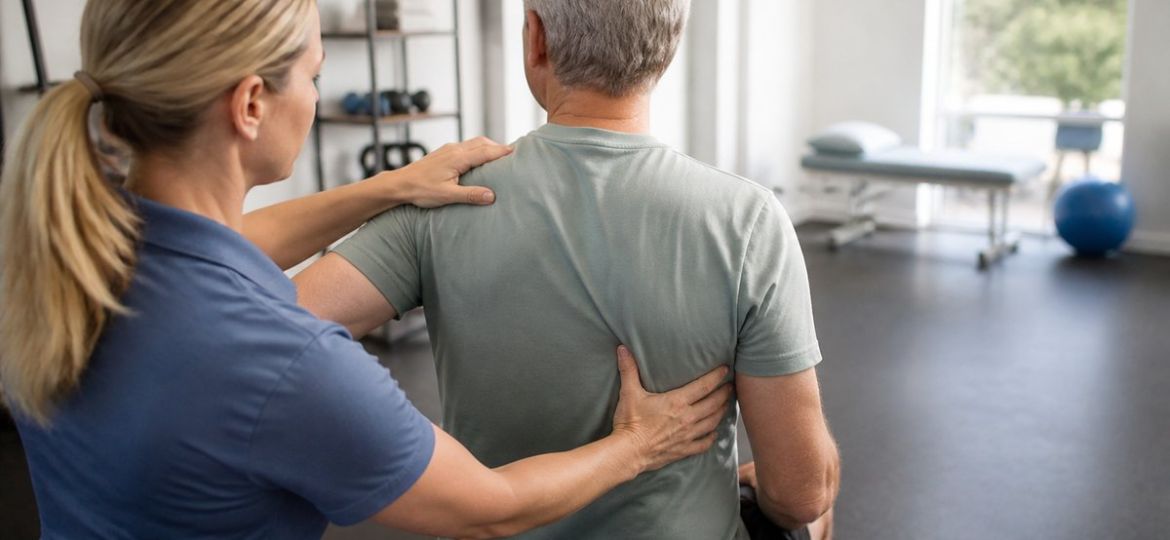
Rehabilitation after an injury or surgery often involves a mix of movement training, hands-on care, and guided exercise, and an orthopedic clinic brings these pieces together in one setting. Structured rehab supports joint stability and muscle strength. It helps people return to daily routines with fewer setbacks. When therapy progresses in stages, the body adapts safely while tissues recover from stress.
Therapy Methods and Programs
Rehab programs use a range of methods, and each method targets a specific part of recovery. Rehabilitation focuses on restoring function after bones, joints, or soft tissues have been injured, and it follows a logical sequence. Early sessions often address swelling and stiffness, while later sessions emphasize strength and balance. An orthopedic clinic tracks this progress over time. The team adjusts exercises as mobility improves. Some techniques focus on motion, while others focus on strength or coordination.
- Therapeutic exercise: Guided stretching and strengthening exercises improve joint motion, and they support muscle balance around injured areas.
- Manual therapy: Hands-on techniques address stiffness in joints and soft tissue, and they complement active exercise work.
- Neuromuscular training: Balance drills and coordination work retrain movement patterns, and they support safer walking or sport skills.
- Focused posture and gait training: Focused work on walking patterns and body alignment refines mechanics, and it supports long-term joint health.
- Personal exercise plans: Structured routines extend clinic gains into daily life, and they keep recovery on track between visits.
Rehab for Different Needs
Rehabilitation services adapt to many conditions, and treatment plans reflect the specific demands of each situation. When therapists understand a person’s daily tasks, they select exercises that mirror real movements. Rehab also adjusts to different activity goals. It respects each person’s pace. An athlete returning to sport might follow a plan that includes agility drills and power training, and a desk worker might focus more on posture and core strength. An orthopedic clinic often coordinates these phases of care so that testing, imaging, and therapy sessions align. When communication stays clear between providers, rehab plans remain focused and efficient.
Work With an Orthopedic Clinic
When orthopedic specialists and therapists share information, exercise progressions tend to match healing timelines. People use rehab services at different stages of their orthopedic care, and those stages influence the structure of each plan. This coordination supports safer advances in strength, flexibility, and balance work.
Some patients start therapy shortly after a joint procedure, and others begin rehab after imaging identifies a soft tissue injury. When goals are clearly defined at the outset, each session has a specific purpose. The right mix of guidance, feedback, and progressive loading helps tissues adapt. It supports steady gains in ability with movement.
Book Your Appointment Today
Structured rehabilitation helps restore function after orthopedic injuries. It supports long-term joint and muscle health. If you are experiencing limited motion or lingering discomfort, schedule a visit with an orthopedic clinic to discuss rehab options. A focused plan gives your recovery direction, and it aligns treatment with the activities that matter most to you.
