

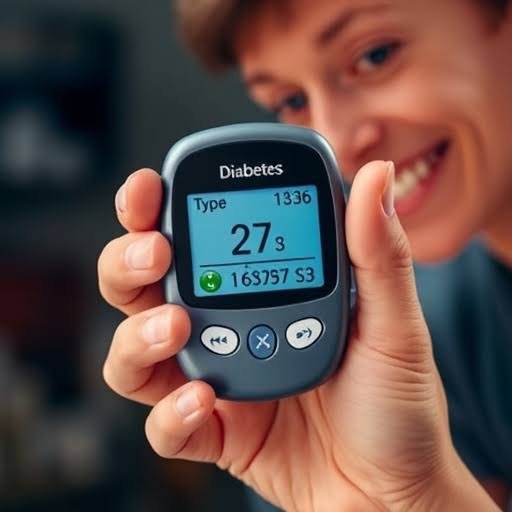
Diabetes affects how your body turns food into energy, and the condition raises blood sugar levels while harming your organs over time. While diabetes has no cure, modern care gives you many ways to keep it in check. New tools and treatments now make daily management simpler than before. Here are some treatements to help manage diabetes:
Lifestyle Changes
Daily habits shape how your body processes blood sugar. You move more, you eat with intention, and you sleep on a steady schedule. Since food choices affect glucose directly, a balanced plate matters every day.
Small adjustments typically add up to steady progress for diabetes control. Regular movement lowers blood sugar, and it also supports a healthy weight. When you build routines that fit your life, the changes tend to last.
Here are a few practical habits to start with:
- Walk for 20 minutes after meals
- Drink water instead of sugary drinks
- Track your carbohydrate intake
- Aim for seven hours of sleep
These habits work alongside any treatment your doctor recommends. You track results, you adjust slowly, and you stay consistent. Since progress varies between people, your plan may look different from someone else’s.
Insulin Treatment
Insulin therapy replaces the hormone your body lacks. Some people inject it, and others rely on a pump for steady delivery. Since newer pumps connect to glucose monitors, they adjust doses based on real-time readings.
Modern insulin pens offer precise dosing in a compact design. You set the amount, you press the button, and the device delivers the measured dose. While older methods required guesswork, smart devices now reduce that uncertainty.
Blood Glucose Medication
Several medications help lower blood sugar without insulin. Metformin remains a typical first choice, and doctors often pair it with other drugs. Since each medication works differently, your provider matches the option to your needs.
Continuous glucose monitors changed how people track their numbers. The sensor sits under your skin, and it sends readings to your phone. When you see trends in real time, you respond faster to highs and lows.
Medication types include:
- Metformin for reducing glucose production
- Sulfonylureas that prompt insulin release
Your doctor reviews these options with your health history in mind. You ask questions, you report side effects, and you adjust as needed. Since responses differ, regular check-ins help fine-tune your treatment.
Medications for Insulin Control
Newer drug classes target insulin in different ways. GLP-1 receptor agonists slow digestion, and they signal your body to release insulin. Since they also reduce appetite, many people lose weight while taking them.
Other inhibitors take a separate approach to glucose. They prompt your kidneys to remove extra sugar through urine. While these drugs help blood sugar, your doctor watches for related effects.
These medications may come as once-weekly injections or daily pills. You follow the schedule, you note any changes, and you share updates at appointments. Since the field keeps advancing, your provider stays informed about new approvals.
Get Treated for Diabetes
Managing diabetes takes the right tools and steady support. You combine lifestyle habits, you use proven medications, and you track your numbers closely. Since every case differs, a personalized plan fits your situation. Take the next step toward steadier blood sugar today. Schedule an appointment with a care team to discuss your options.
