

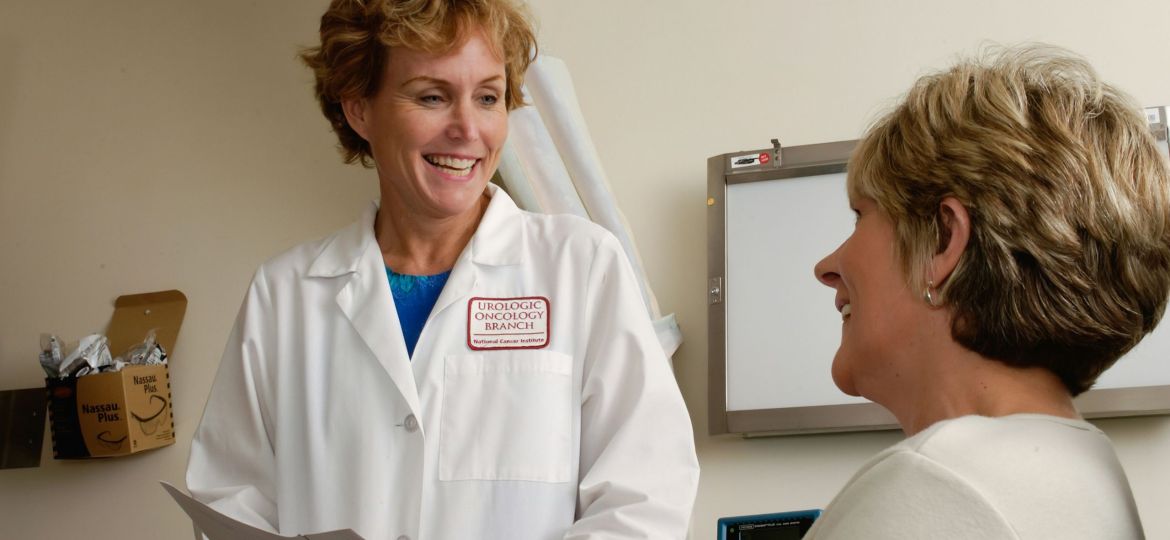
Healthcare has become increasingly collaborative as patient needs grow more complex. Many individuals receive care from multiple specialists, primary care providers, nurses, therapists, pharmacists, and social workers throughout their treatment journey. Each professional contributes unique expertise that helps address different aspects of a patient’s health, creating a more complete approach to care.
This collaborative model, often referred to as interdisciplinary care, has transformed how healthcare organizations manage chronic illnesses and improve patient experiences.
Instead of working in isolation, healthcare professionals communicate frequently, exchange clinical insights, and coordinate treatment plans. As a result, patients benefit from better continuity of care, fewer medical errors, and stronger long-term health outcomes.
Understanding Interdisciplinary Care
Interdisciplinary care brings together professionals from different healthcare disciplines to develop and implement a coordinated treatment plan. While each provider maintains their own area of expertise, decisions are made collectively with the patient’s overall well-being in mind.
“Multidisciplinary approaches to care have become more of a mainstay across medicine,” says Umur Hatipoğlu, MD, in the Cleveland Clinic’s Department of Pulmonary Medicine. “In pulmonary medicine, a multidisciplinary approach has become the preferred method for managing interstitial lung disease.
A 2025 systematic review analyzed ten studies focused on interdisciplinary team-based care. The review reported measurable improvements for patients, healthcare providers, and healthcare organizations. Patients who received coordinated care from nurses, pharmacists, and specialists experienced better blood pressure management.
These patients were also less likely to be readmitted to the hospital. One study included in the review reported a 20% reduction in 60-day hospital readmissions.
Better Communication Leads to Better Decisions
A review of 46 studies revealed that communication failures were the only cause of patient safety incidents in more than 10% of cases. Overall, they played a role in approximately one-quarter of all reported incidents. In the United States, communication failures have been linked to more than 60% of adverse events that occur in hospital settings.
Poor communication affects more than patient care. It also creates a substantial financial burden for hospitals. Communication breakdowns among healthcare staff are estimated to cost U.S. hospitals approximately $12 billion each year. Malpractice claims also highlight the consequences of ineffective communication.
Closing communication gaps is one of the greatest benefits of interdisciplinary care. Regular information sharing among healthcare teams reduces the chances of missing important clinical details.
Shared assessments give healthcare providers a more complete understanding of a patient’s condition than individual observations alone. Collaborative decision-making often leads to more accurate diagnoses, faster interventions, and treatment plans shaped by input from multiple healthcare professionals. Thus, patients also benefit from receiving consistent guidance.
How Advanced Healthcare Education Supports Collaborative Practice
As healthcare continues to evolve, educational pathways are also adapting to prepare professionals for collaborative clinical environments. Many graduate nursing programs place a strong emphasis on leadership, evidence-based practice, clinical communication, patient advocacy, and teamwork. These skills are important for working effectively with physicians, therapists, pharmacists, and other healthcare specialists.
Master of Science in Nursing (MSN) programs prepare students with advanced technology skills and comprehensive clinical experience. Moreover, Doctor of Nursing Practice degrees take their skills to the next level. In fact, many nurses pursue online DNP nursing programs to gain this advanced credential.
Wilkes University highlights that DNPs bring high-level skills and expertise to influence patient outcomes through leadership and health policy implementation.
Advanced education programs also incorporate team-based learning, case discussions, simulation exercises, and interprofessional training. These experiences strengthen communication, clinical decision-making, and coordination across specialties. It allows healthcare providers to understand each team member’s role.
Reducing Medical Errors Through Team-Based Care
Communication failures are often a greater cause of medical errors than insufficient clinical knowledge. Missing information during patient handoffs, inconsistent documentation, or misunderstandings between providers can lead to unnecessary complications.
Interdisciplinary care addresses many of these challenges through structured communication practices. Team meetings, electronic health records, and standardized reporting systems help ensure that everyone involved has access to current patient information.
When healthcare professionals review treatment decisions together, potential concerns can be identified earlier. Estimates indicate that hundreds of thousands of patients experience preventable harm each year because of a lack of interdisciplinary care.
Standardized communication methods, such as situation, background, assessment, and recommendation (SBAR) handoffs, provide teams with a consistent framework for sharing information. When professionals from different disciplines review and verify one another’s work, potential errors can be identified early. This additional layer of oversight is one of the key advantages of interdisciplinary care.
These collaborative safeguards contribute to safer healthcare environments and improved patient safety.
Managing Chronic Diseases More Effectively
Many chronic conditions require ongoing support from multiple healthcare professionals. Data indicate that three out of four American adults live with at least one chronic health condition. More than half of them are managing multiple chronic health conditions simultaneously.
Among adults aged 65 and older, the prevalence exceeds 90%. Managing this degree of complexity is beyond the scope of any single healthcare professional working alone. Consequently, healthcare systems are increasingly adopting collaborative care models to address the diverse needs of patients.
For instance, a patient with diabetes may receive blood sugar management from an endocrinologist and meal planning from a registered dietitian. A pharmacist can provide medication counseling, a podiatrist can offer foot care, and nursing professionals can help with regular monitoring. Since each provider understands the patient’s overall treatment goals, care becomes more coordinated and efficient.
This collaborative approach often improves disease management while reducing preventable hospital admissions.
Frequently Asked Questions
How does interdisciplinary care benefit family members and caregivers?
Interdisciplinary care helps family members and caregivers stay informed throughout a patient’s treatment journey. Healthcare professionals can provide consistent updates, explain care plans from multiple perspectives, and answer questions effectively. This coordinated communication helps caregivers feel more confident in supporting their loved ones after they leave a healthcare facility.
What technologies support interdisciplinary collaboration in healthcare?
Several digital tools make interdisciplinary collaboration more effective. Electronic health records provide healthcare professionals with shared access to patient information, while secure messaging platforms and telehealth technologies strengthen communication. Clinical decision support tools and remote patient monitoring technologies also help teams track patient progress and respond quickly to changes in health.
Can interdisciplinary care increase job satisfaction for healthcare professionals?
Many healthcare professionals report greater job satisfaction when working in collaborative environments. Sharing responsibilities across a multidisciplinary team can reduce professional isolation, improve communication, and encourage knowledge sharing. Team-based care also creates opportunities for continuous learning, allowing professionals to develop new skills while delivering higher-quality care to patients.
Key Statistics Highlighting the Impact of Interdisciplinary Care
| Hospital readmissions | One study reported a 20% reduction in 60-day readmissions |
| Patient safety incidents | Communication failures were the sole cause in 10%+ of cases |
| Overall safety events | Communication breakdowns contributed to ~25% of reported incidents |
| Hospital adverse events | 60%+ of U.S. hospital adverse events are linked to communication failures |
| Financial impact | Poor communication costs U.S. hospitals approximately $12 billion annually |
| Preventable patient harm | Hundreds of thousands of patients experience preventable harm each year |
| Adults with chronic conditions | 3 out of 4 American adults have at least one chronic condition |
Interdisciplinary care has become one of the most effective strategies for improving patient outcomes across modern healthcare. Strong communication, coordinated treatment planning, shared clinical expertise, and patient-centered decision-making create a healthcare experience that is safer and more effective.
As healthcare professionals continue working together, patients benefit from more accurate diagnoses, improved chronic disease management, smoother care transitions, etc. Collaborative care represents an ongoing commitment to delivering comprehensive, compassionate, and high-quality healthcare for every patient.
- We’ve Normalized Poor Sleep: Why That Could Matter Later
- The Small Details That Can Make a Medical Appointment Less Stressful
- How to Track Pain Patterns Before Talking to a Healthcare Provider
- How Joint Pain Can Affect Your Balance and Everyday Mobility
- How Interdisciplinary Care Is Improving Patient Outcomes Across Healthcare
