

Endometriosis occurs when tissue similar to the uterine lining grows outside the uterus, and this can lead to chronic pelvic pain, heavy periods, and fertility challenges. The condition often disrupts daily activities and sleep; doctors can prescribe treatments and help you manage your endometriosis symptoms. Here is more information about various treatments:
Managing Endometriosis With Birth Control
Hormonal birth control is a common first step for managing endometriosis symptoms. These methods work to regulate or suppress the hormonal fluctuations that influence tissue growth.
Common hormonal birth control options for managing endometriosis include:
- Combination pills, patches, and vaginal rings: These deliver estrogen and progestin, and providers may recommend continuous use to skip periods entirely.
- Progestin-only options: Intrauterine devices or injections offer an alternative for those who cannot take estrogen.
- Lifestyle changes: There is evidence that certain dietary choices may influence symptoms.
Relieving Associated Pain
Pain relief is part of endometriosis care because discomfort often interferes with everyday function. Options range from over-the-counter medications to structured therapy programs:
- Nonsteroidal anti-inflammatory drugs: Your provider may recommend scheduling doses around your predictable pain cycle for maximum effectiveness.
- Heat therapy and gentle stretching: These can complement medication and help ease discomfort for some individuals.
- Physical therapy: Pelvic floor therapy may be incorporated as part of a broader pain management strategy.
- Symptom tracking: Keeping a journal of your symptoms allows your provider to monitor patterns and adjust your treatment plan over time.
Undergoing Surgical Procedures
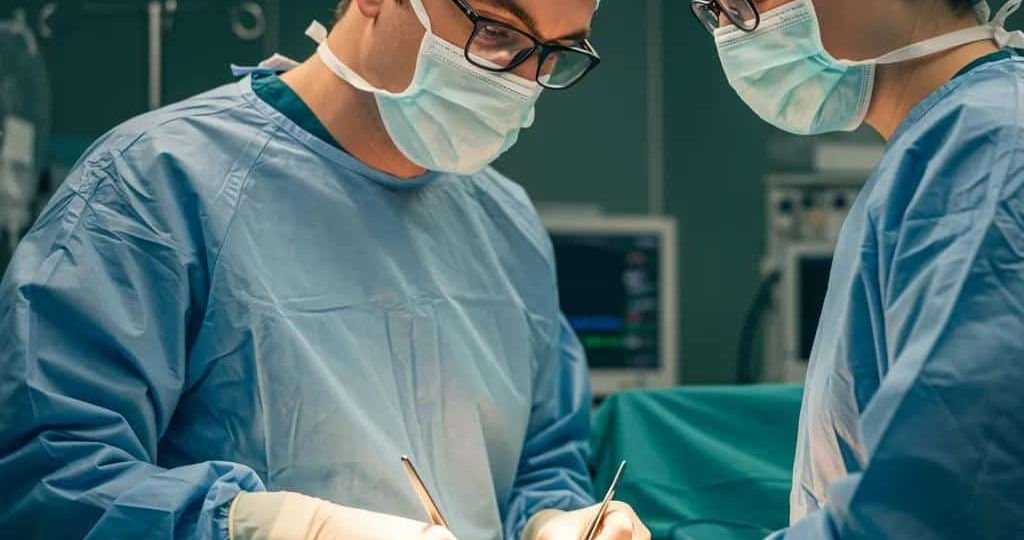
Surgery becomes an option when medications do not provide enough relief or when a provider needs to confirm a diagnosis. Laparoscopy is minimally invasive, and surgeons use small incisions to view and treat affected tissue. During this procedure, a surgeon removes endometrial-like growths. This can reduce pain for some patients.
Excision surgery focuses on cutting out lesions, while ablation targets tissue with heat or energy. In more severe cases, providers might discuss a hysterectomy because other treatments have not managed symptoms, and this decision involves conversation about future fertility goals. Your care team will explain the potential benefits and limitations of each surgical route.
Seeking Professional Help
Recognizing warning signs early can help you get a diagnosis and the care you need. Persistent pelvic pain, pain during intercourse, and unusually heavy periods are common reasons to schedule an appointment, and difficulty getting pregnant may prompt a visit as well. Keep a record of when symptoms appear and how long they last. This information gives your provider useful context. If pain disrupts your ability to work, sleep, or manage daily tasks, reach out even if you have coped with symptoms for a long time.
Schedule an Appointment Today
Endometriosis affects patients differently based on many factors, and these include symptom severity, overall health, and personal goals such as fertility. A treatment plan that works well for one person may not suit another. Ongoing communication with your care team helps you find the right approach for your situation. If you suspect you have endometriosis, ask your healthcare provider about diagnosis and treatment options at your next appointment.
