

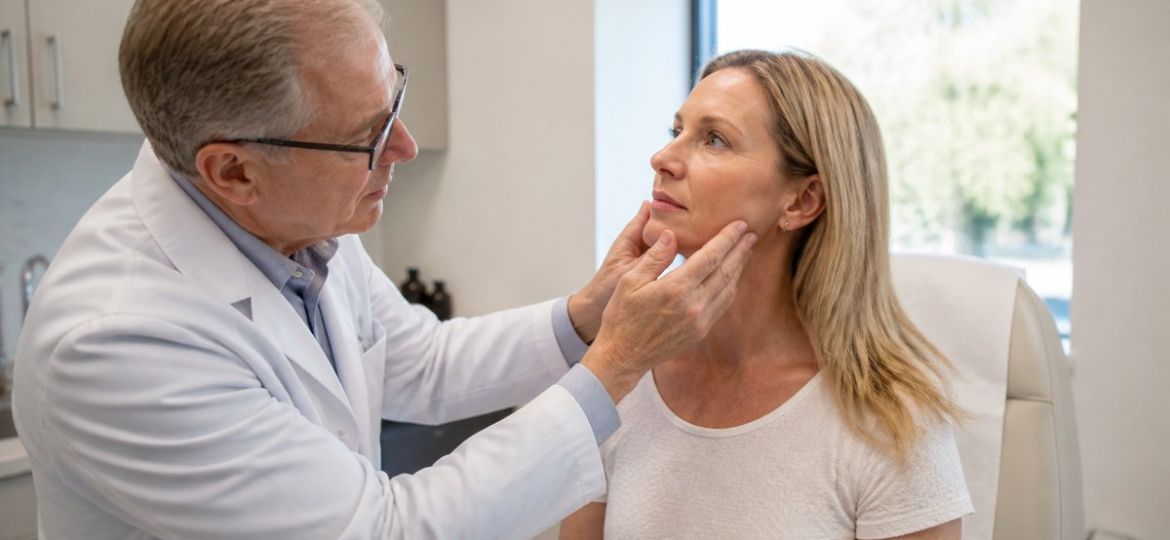
Skin cancer develops when skin cells grow abnormally, often due to exposure to ultraviolet (UV) radiation. The three main types are basal cell carcinoma, squamous cell carcinoma, and melanoma; each affects the skin differently. Learning the facts about the condition helps you make informed choices about your health. Here is some information about skin cancer risk and treatment:
Understanding Cancer Risk
Skin cancer risk is influenced by several factors, including skin tone, UV exposure, and tanning habits. People with lighter skin have a higher risk of developing cancer, but the disease can affect individuals of any skin tone. In people with darker skin, cancer is often diagnosed at a later stage. This can make treatment more difficult. Indoor tanning also increases the risk of skin cancer because tanning beds expose the skin to concentrated ultraviolet (UV) radiation. Starting indoor tanning at a young age further increases the risk of melanoma. A base tan does not provide meaningful protection from UV exposure. Any change in skin color from tanning indicates UV damage rather than improved skin health.
Protecting the Skin
Sunscreen is beneficial year-round, regardless of weather conditions. Up to 80% of UV rays pass through clouds, so you need protection even on overcast days. Snow also reflects UV light, increasing your exposure during winter. Applying sunscreen daily and using other forms of sun protection helps reduce cumulative UV damage over time. To help protect your skin:
- Apply a broad-spectrum sunscreen with an SPF of 30 or higher every day
- Reapply sunscreen every two hours and right after swimming or sweating
- Wear a wide-brimmed hat, sunglasses, and long sleeves when you spend time outdoors
- Seek shade between 10 a.m. and 4 p.m., when UV rays are strongest
- Avoid tanning beds and sunlamps
Supporting Early Detection
Some people think skin cancer only appears on areas that get regular sun exposure. Melanoma can form on the soles of the feet, under the nails, and on the scalp. These areas often go unnoticed, so a full-body check is beneficial. If you examine your skin once a month, you are more likely to notice new spots or changes in existing moles. Use a full-length mirror for your back, and ask a partner to check your scalp if it is hard to see.
The ABCDE guide helps you spot warning signs of melanoma. Look for asymmetry, irregular borders, uneven color, a diameter larger than a pencil eraser, and any change over time. Responding to skin changes early helps prevent the cancer from progressing. Basal and squamous cell carcinomas grow more slowly, but they can damage nearby tissue without treatment. If a spot bleeds, itches, or doesn’t heal, contact a dermatologist; your provider may recommend a biopsy. Yearly professional skin exams also help people with a higher risk.
Learn More About Skin Cancer
Skin cancer is common, but it is also highly preventable. When you understand your risk, you make more informed decisions about sun protection. Daily sunscreen use, protective clothing, and monthly self-exams reduce your chances of a late diagnosis. If you have concerns about a spot on your skin, schedule a consultation with a dermatologist today.
