

Prompt medical care after a car accident injury helps identify hidden problems and guide recovery, and early evaluation supports safe activity levels and medication choices. Some injuries appear quickly, while others develop over hours or days. When patients understand likely injuries and treatment options, they participate more actively in their care. Here is more information about treatment after a car accident injury:
Using X-rays and EEGs
X-rays look at bones and joint alignment, and they help rule out fractures in painful areas. EEGs evaluate brain activity when seizures or altered awareness follow a car accident injury. After a provider reviews results, they compare them with symptoms, and then decide whether more testing is needed. These tools support safer decisions about activity, driving, and work duties:
- X-rays show bone breaks, dislocations, and some joint changes after impact.
- EEGs help assess seizure risk after head trauma or loss of consciousness.
- Tests shape treatment plans that balance rest with gradual movement.
Diagnosing Injuries
Accurate diagnosis starts with a detailed history and a focused physical exam. The provider asks how the collision occurred, and they review symptoms such as pain, dizziness, or numbness. When the story matches exam findings, the team narrows down which structures are affected. If symptoms change or progress, the plan often changes, and new tests may be ordered. Clear communication between patient and clinician supports appropriate treatment.
Prescribing Medications
Medication choices after a car accident injury depend on the type of pain and any seizure risk. Providers may start with the least intensive options, and they adjust based on response. When pain persists or involves nerve irritation, other medicines enter the plan. Each prescription has a clear goal, and that goal guides dosing and timing.
Seizure medications are used when head trauma or abnormal EEG findings raise concern, and these drugs stabilize brain activity. Some are used briefly after an acute injury. Others are used longer when risk stays higher. Since these medicines affect alertness, driving and work tasks sometimes need adjustment.
Pain medications range from non-prescription options to stronger short-term prescriptions. Muscle relaxants address spasms that follow whiplash or back strain, and they improve comfort for stretching. Nerve pain medicines target burning or shooting sensations that standard pain relievers handle poorly. When medication is combined with movement and strengthening, patients typically regain function more steadily.
Personal Rehabilitation
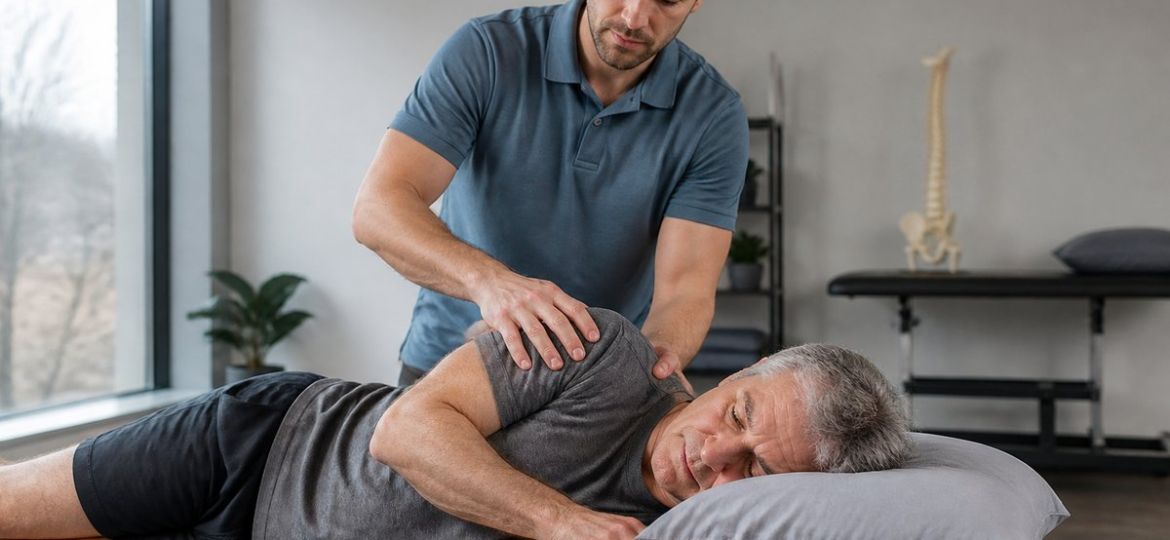
Early activity often starts with gentle range-of-motion work, and it progresses as pain decreases. Rehabilitation focuses on restoring strength, flexibility, and coordination after an injury. Targeted exercises protect healing tissues and prevent stiffness in nearby joints. Home exercise plans extend clinic gains into daily routines, and they may reduce the risk of setbacks.
Small adjustments reduce strain on the neck, back, and shoulders, and they support long-term comfort. Providers may recommend stretching breaks during desk work and suggest ergonomic changes. When patients report new pain patterns, exercises are modified so healing stays on track.
Find Car Accident Injury Care
Prompt evaluation streamlines recovery after a collision, and it reduces uncertainty about next steps. A clinic that offers diagnostic testing and treatment in one place simplifies follow-up. Walk-in access supports patients who need prompt attention after unexpected injuries. With structured diagnosis, targeted medication, and focused rehabilitation, patients work toward stable, sustainable recovery.
