

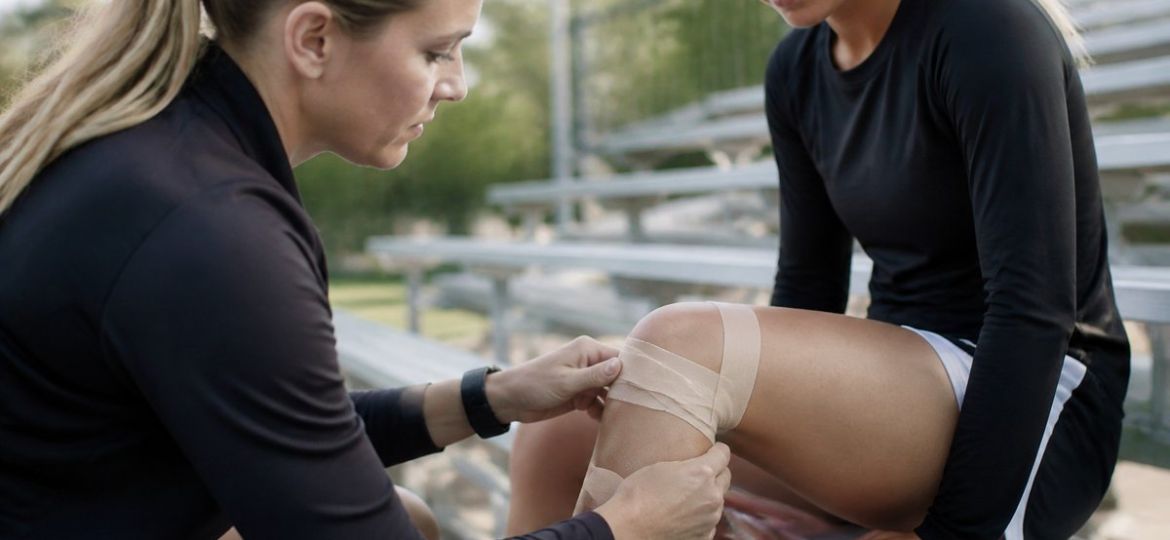
A sports medicine specialist focuses on how the body responds to training, competition, and recovery, and this focus supports athletes at every level. When an athlete has a history of injury, a specialist reviews previous imaging and treatment and looks for patterns that affect current performance. A structured plan may reduce the risk of new injuries, helping athletes return to activity. Here is more information about these specialists and their role:
Preventing Injuries
Injury prevention starts with a detailed look at how an athlete moves, and it continues with targeted training changes. A sports medicine specialist studies gait, landing mechanics, and joint alignment, and they relate these findings to current symptoms. When a movement pattern places repeated stress on a joint, the specialist explains the risk, and they outline specific corrections. Training loads are reviewed over time, and this process highlights sudden spikes that strain muscles and tendons.
Screening also addresses flexibility, strength asymmetries, and previous injuries, and these details shape a prevention strategy. One athlete may need hip-strength work, and another may need ankle-stability drills, yet both benefit from structured progressions. Education about warm-up, cool-down, and recovery habits supports these plans. With regular follow-up visits, the specialist tracks response to training, and they adjust the plan when sport demands shift.
Providing Performance Training
Performance training focuses on the specific physical qualities each sport requires, and it links them to safe technique. A sports medicine specialist reviews current conditioning, and they match it to the athlete’s goals for speed, strength, or endurance. When training phases are organized, the risk of overuse drops, and performance gains typically become more consistent. These exercise approaches may be provided:
- Strength and power progressions tailored to the athlete’s sport and position
- Speed, agility, and change-of-direction drills aligned with competition demands
- Mobility work to support joint range of motion under load
- Workload monitoring to track volume, intensity, and recovery time
- Education on sleep, hydration, and nutrition habits that influence training response
Accelerating Recovery
When an injury occurs, early evaluation by a specialist helps define the severity. Imaging studies may be ordered when structural damage is suspected. The specialist assesses swelling, range of motion, and strength, and they compare these findings with the uninjured side.
Rehabilitation progresses through phases that match tissue healing. Initial steps focus on pain control and swelling reduction, while later stages restore strength and sport skills. A specialist coordinates with physical therapists and athletic trainers, and this team approach aligns exercises and milestones. Return-to-play testing then checks strength, balance, and agility under sport-specific conditions.
Recovery also includes guidance on cross-training, and this helps athletes maintain fitness while protecting the injured area. An athlete with a lower limb injury may do upper-body and core work, and another with a shoulder injury may focus on lower-body conditioning. When symptoms stay controlled at each stage, the athlete progresses toward full participation.
Personalizing Treatment Plans
Every athlete brings a different history and set of goals, so a specialist builds treatment plans around these factors. Age, training background, and previous injuries all influence which therapies are selected, and they shape the pace of progression. Some athletes need a plan that works around frequent travel, and others need one that fits school or work hours.
Find a Sports Medicine Specialist
A dedicated sports medicine specialist evaluates injuries, training loads, and performance goals, and they link these elements into one strategy. Athletes who want structured guidance on prevention, recovery, or performance can schedule an assessment with a qualified provider. For details about orthopedic and sports-focused care, find a clinic near you.
