

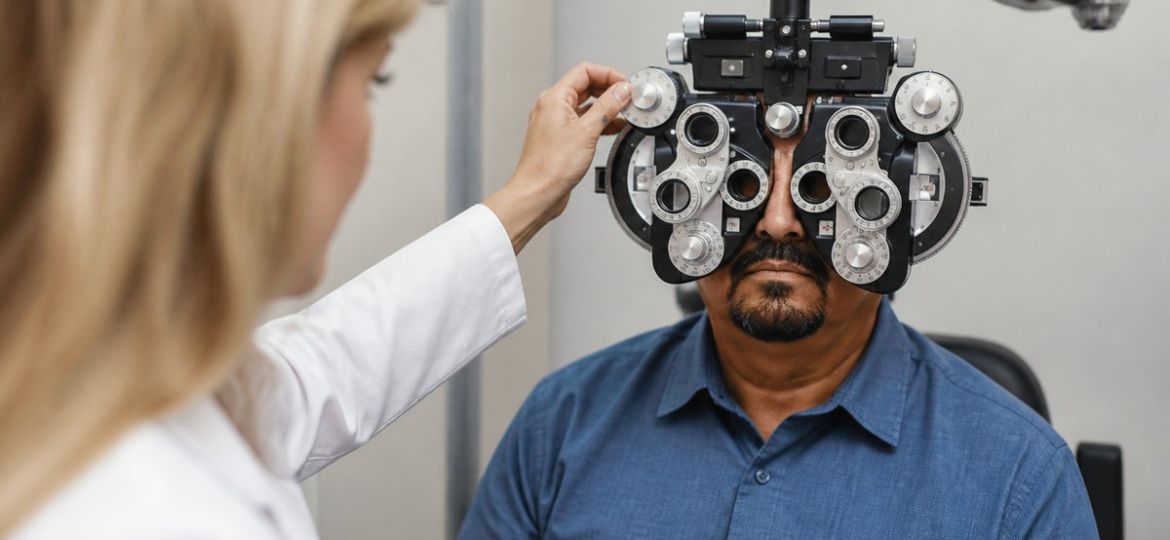
Regular check-ups with an optometrist provide structure for eye care, even when vision seems stable. Exams track how your eyes focus, respond to light, and work together. Small changes may develop slowly, so scheduled visits help create a clear record over time. That record supports decisions about lenses and treatment options. Here is more information on why regular check-ups with an optometrist matter:
Vision Correction
Vision changes affect daily tasks, and a routine exam keeps your prescription aligned with what you actually see. An optometrist measures how your eyes bend light. Those measurements guide the strength of lenses for glasses or contacts. When prescriptions stay current, reading, driving, and screen work place less strain on your eyes. Even if your vision seems unchanged, subtle shifts can show up during testing and affect how well you see fine details.
When prescriptions stay outdated, the eyes work harder than necessary. That extra effort can lead to discomfort. People may adapt by leaning closer to screens or holding reading material farther away, and those habits place strain on the neck and shoulders. With consistent exams, lenses match current needs. Even small prescription updates influence depth perception, supporting safer walking on stairs and uneven surfaces.
Disease Detection
Eye exams reveal changes in internal eye structures. During a comprehensive visit, the optometrist reviews the cornea, lens, retina, and optic nerve. Some eye diseases progress quietly in the early stages, so routine testing creates a chance to respond before symptoms interfere with daily life. When a pattern of change appears across several visits, that pattern guides next steps for care.
Symptom Management
Some people live with recurring eye symptoms, and regular appointments give structure to managing them. Dryness, redness, itching, or intermittent blur all influence comfort during work and hobbies. During a visit, the optometrist reviews symptom history and current medications, which helps them develop a plan. Adjustments to screen habits, lighting, or lens coatings sometimes ease strain without major changes.
Some symptoms overlap across different eye conditions. Professional evaluation helps separate one cause from another. A person may report glare at night, while another reports halos around lights. Both issues affect driving. Testing clarifies whether the source relates to the cornea, the lens, or tear quality, and that clarity directs treatment. After the initial adjustments have been made, follow-up exams help determine whether symptoms have improved or additional changes are necessary.
Children and adults experience symptoms differently, and routine visits help discuss those differences. A child may rub their eyes during reading, while an adult reports fatigue after computer work. Exams help match lens designs, work distances, and break schedules to individual needs. When symptoms receive consistent attention, people may be more likely to stick with treatment recommendations. Consulting an optometrist helps determine how to manage disruptive vision symptoms.
Visit an Optometrist Today
Regular eye exams support clear vision, early disease detection, and practical symptom management. The eyes reflect both visual function and overall health; scheduled visits provide a reliable view of long-term trends. If it has been a while since your last exam, book an appointment with an optometrist.
