

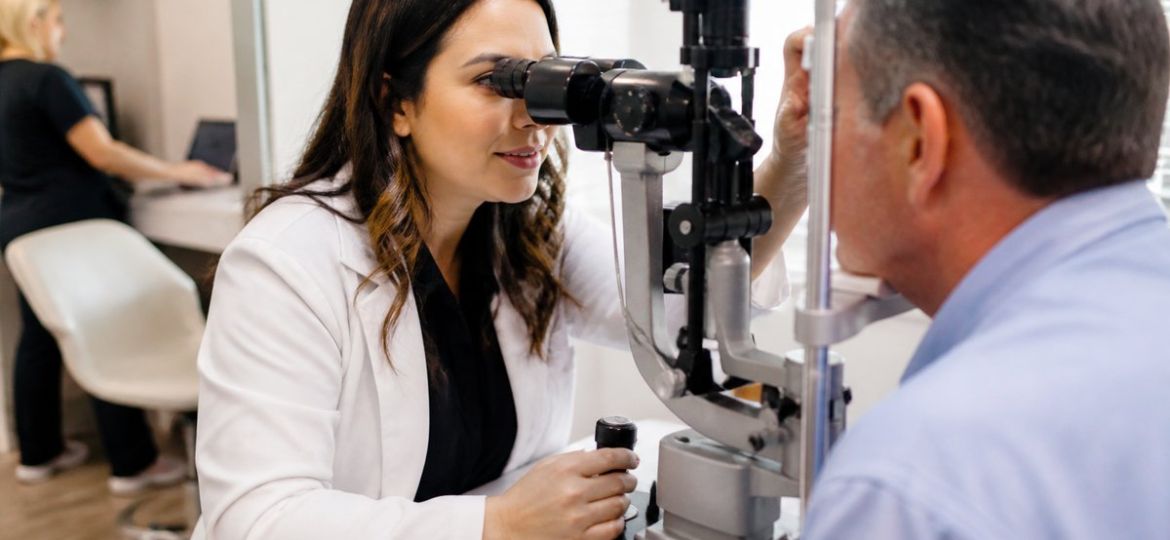
Vision often changes slowly, so it is easy to miss early changes showing that you need eye glasses. Small shifts in clarity or comfort during daily tasks sometimes signal that your eyes are working harder than before. When reading, driving, or using screens starts to feel different, pay attention. Noticing these patterns early helps you schedule an eye exam.
Common Vision Changes
Blurry vision is one of the most familiar signs that you might benefit from eye glasses. It often appears in specific situations first. You may notice that road signs are fuzzy, or you will see that printed text seems to swim slightly on the page. Some people experience clear distance vision while near work feels strained, and others have the opposite experience. When these changes persist across different days, an eye exam helps identify whether nearsightedness, farsightedness, or astigmatism is developing.
Everyday Warning Signs
Symptoms that show up during routine activities often reveal that your eyes need support, and they usually follow a pattern. You might notice these issues more at night, but they return when you resume the same tasks. If these signs repeat over several weeks, eye glasses may ease the strain on your vision. They also help you maintain clearer focus during work and daily routines.
- Squinting while reading, driving, or watching television.
- Aching after long periods of screen time or close work.
- Needing brighter light than before for reading or hobbies.
- Holding books or phones farther away or closer than usual.
- Shifting focus between near and far objects becomes difficult.
- Burning, tired, or watery eyes after routine tasks.
- Seeing halos or starbursts around lights, especially at night.
- Reading small print that once felt easy is hard.
Sudden Symptoms of a Problem
Some vision changes feel mild, yet they still affect how efficiently you move through the day. When you start adjusting your posture or distance from screens to see better, your body is compensating for your eyes. Scheduling a comprehensive exam gives an eye doctor a chance to measure your vision and check the health of internal eye structures. During the visit, you can discuss whether eye glasses, contact lenses, or lifestyle adjustments fit your needs.
More sudden or disruptive changes deserve prompt attention because they sometimes signal underlying eye conditions rather than simple refractive error. Double vision, flashes of light, a shadow across part of your view, or a sudden increase in floaters all require quick evaluation. List all of your symptoms. Discomfort, redness, or persistent eye pain also calls for professional care, and it is best not to wait for those symptoms to fade on their own. Regular eye exams help detect issues early, so treatment plans support both clarity and long-term eye health. When you pair those exams with attention to daily symptoms, you give yourself a better chance at stable, comfortable vision.
Schedule Your Eye Glasses Exam
If reading, driving, or screen use feels different than it used to, it is time to schedule a comprehensive eye exam and talk about whether eye glasses would support your vision. A detailed evaluation identifies what your eyes need. It also checks for conditions that affect long-term eye health. Reach out to an eye care practice to book an appointment, ask questions, and discuss options that match your daily routine.
