

LASIK surgery uses a guided laser to reshape the cornea, and this adjustment allows light to focus more precisely on the retina. Although glasses and contacts can correct common refractive errors, LASIK aims to reduce reliance on these options by addressing nearsightedness, farsightedness, and astigmatism. Here is more information on LASIK and what it involves:
What Is LASIK Surgery?
LASIK surgery is a refractive eye procedure in which a surgeon reshapes the clear front surface of the eye. The laser removes microscopic layers of corneal tissue, and this change in curvature adjusts how light bends as it enters the eye. When the cornea focuses light more accurately on the retina, vision may improve. This surgery helps reduce the need for corrective lenses.
- Purpose: LASIK aims to address nearsightedness, farsightedness, and astigmatism so that everyday tasks feel easier without glasses or contacts.
- Method: A thin flap is created in the cornea, the underlying tissue is reshaped with a laser, and the flap is then repositioned afterward.
- Evaluation: A detailed eye exam is required beforehand, and it reviews prescription stability, corneal thickness, and overall eye health.
How Does It Work?
During LASIK surgery, the surgeon may prepare the eye with numbing drops, and a small device gently holds the eyelids open. A precise instrument creates a thin corneal flap, which remains attached on one side. This flap is lifted to expose the inner layers of the cornea. Because the flap acts like a natural bandage afterward, surface healing is usually straightforward.
Once the flap is open, a computer-guided excimer laser reshapes the exposed corneal tissue according to measurements taken during the preoperative exam. The laser pulses in a specific pattern, and each pulse removes a tiny amount of tissue. The pattern is based on the patient’s prescription and corneal map. Treatment can be tailored to individual visual needs, and the laser tracks eye movement in real time to keep the beam aligned.
After the reshaping step, the surgeon gently repositions the corneal flap. It adheres without stitches as natural forces hold it in place. The flap’s alignment is checked, and the eye is examined again before the patient leaves the surgical area. Because the reshaping permanently alters the corneal curvature, light focuses differently on the retina. That change may improve vision.
What Is Recovery Like?
Right after surgery, patients may notice blurred or hazy vision. This effect usually shifts over the first day. The eyes may feel dry, gritty, or mildly irritated; lubricating drops help relieve these sensations. A short rest period at home helps because the eyes have been under bright lights and focused attention during the procedure.
Recovery timelines vary; some individuals notice rapid improvement while others progress more gradually. The cornea continues to heal and stabilize over several weeks. Prescription changes may settle during that period. Since long-term results depend on factors like age, eye health, and natural changes in vision over time, ongoing routine eye exams remain useful even after LASIK.
Learn More From an Ophthalmologist
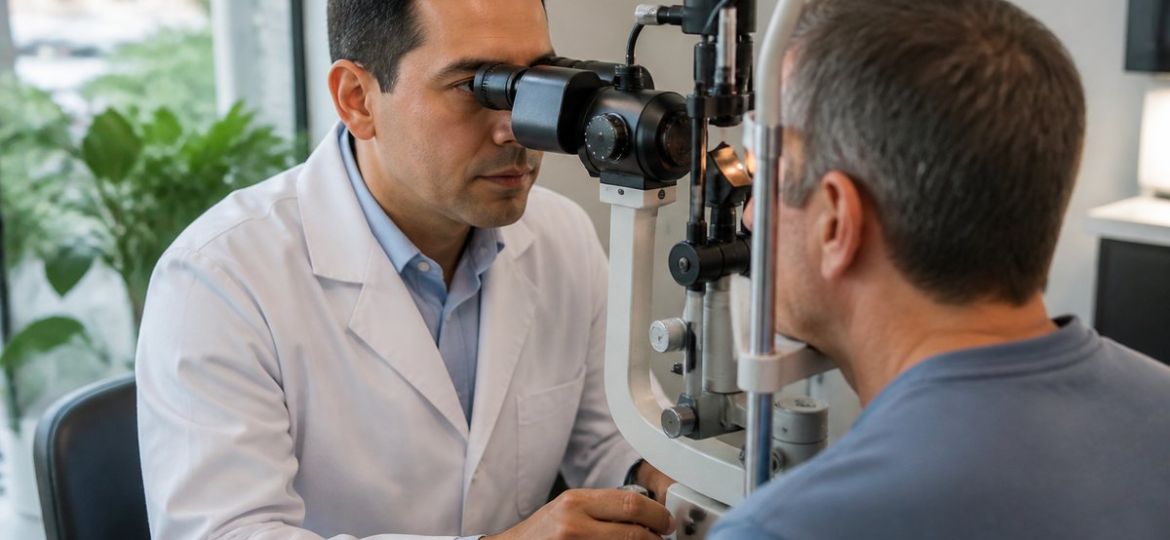
Questions about eligibility and realistic outcomes are addressed during a comprehensive eye evaluation. An ophthalmologist reviews your medical history, and they can explain whether LASIK aligns with your vision goals. If you are looking to learn more about eye health and surgical options, schedule a consultation with an ophthalmologist.
