

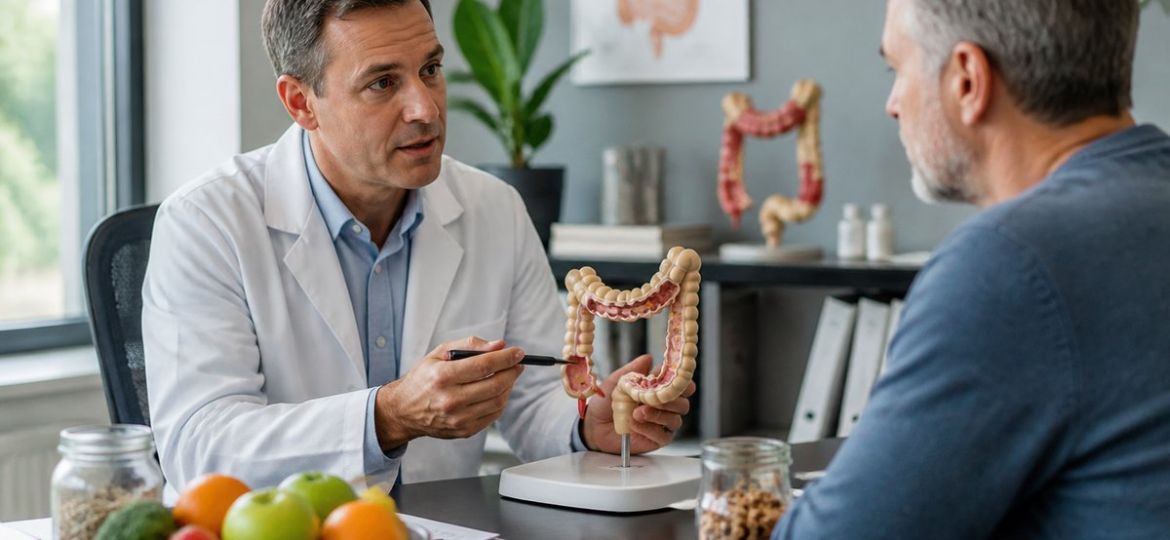
Diet plays a role in colon health because what you eat affects digestion, bowel movements, and the balance of gut bacteria. A diet low in fiber and high in processed foods may contribute to digestive problems and increase the risk of certain colorectal conditions. Healthy eating habits support colon health, and regular screenings such as a colonoscopy help identify colon changes before they worsen. Here are some foods that impact colon health:
Dietary Fiber
Dietary fiber is the part of plant-based foods your body cannot fully break down during digestion. Fiber adds bulk to stool, and it helps waste move through the colon at a steady pace. When waste moves more quickly, harmful substances spend less time in contact with the colon lining. Gut bacteria also ferment certain fibers into short-chain fatty acids. These compounds feed the cells of the colon wall. This potentially lowers inflammation, which may reduce cancer risk. To raise your intake, add beans, lentils, whole grains, berries, and leafy greens to your meals. Increase fiber slowly over a few weeks, and drink plenty of water while you make the change. This approach could limit gas and bloating.
Antioxidants and Healthy Fats
Some nutrients help protect colon cells and support a healthy digestive environment, including antioxidants and unsaturated fats. Antioxidants are compounds that protect cells from damage caused by unstable molecules called free radicals. Free radicals build up in the body over time, and this damage plays a role in cancer development. Colorful fruits and vegetables supply many antioxidants, including vitamin C, vitamin E, and beta-carotene. These foods can also be added to many meals because they require little preparation.
Healthy fats also support colon health. Omega-3 fatty acids come from fish such as salmon and sardines, and they help regulate inflammation in the digestive tract. Olive oil, nuts, seeds, and avocados provide unsaturated fats that may support a balanced gut environment.
Ultraprocessed Foods
Ultraprocessed foods are products that contain ingredients you would not use in a home kitchen. These foods include:
- Packaged snacks
- Sugary drinks
- Fast food
- Frozen meals
Ultraprocessed foods are often low in fiber, and they tend to be high in added sugar, salt, and unhealthy fats. Processed meats such as hot dogs and deli meats have added concerns. Some additives, such as emulsifiers, might disrupt the protective mucus layer that lines the colon. When you shop, read ingredient labels and choose foods with short lists of familiar ingredients. Swap chips for nuts, and replace soda with water or unsweetened tea. Because frequent consumption of processed meats is associated with colorectal cancer, regular screenings such as a colonoscopy are also beneficial.
Schedule a Colonoscopy
A healthy diet lowers your risk of colon cancer, but it does not replace regular screening. Many adults begin screening at age 45. If you have a family history of colon cancer or a personal history of polyps, your doctor may recommend earlier or more frequent tests. Colon cancer often causes no symptoms in its early stages, and a colonoscopy finds problems when they are easier to treat. The procedure also allows your doctor to remove polyps during the same visit. Contact a general surgeon today to schedule a colonoscopy.
