

Skin protects the body from the environment, regulates temperature, and reflects overall wellness, so ongoing care supports long-term health. A dermatologist evaluates skin and hair. This professional uses medical training to identify patterns that are not always obvious. When a specialist examines the skin, they draw on structured methods rather than guesswork, which promotes consistent, measured decisions about care.
What Is a Dermatologist?
A dermatologist is a physician who focuses on the diagnosis and management of conditions affecting the skin, hair, and nails. This specialty covers issues that appear on the surface and problems that start deeper in the body; it links visible changes to underlying processes. While people may think of cosmetic concerns, dermatology also addresses long-term skin disorders that influence daily comfort and function. A dermatologist learns how external triggers interact with internal factors. This background supports structured decision-making, and it can reduce the chance that subtle warning signs are overlooked during an evaluation.
What Do They Address?
Dermatology covers common issues like acne and dry skin, including medical disorders that affect texture, color, and sensitivity. A dermatologist may evaluate whether a concern is short-term or part of a recurring pattern, and they use that information to guide management. Some conditions involve itching or discomfort. Others remain painless but still deserve attention because they change appearance or spread.
Skin growths, such as moles, cysts, and other lesions, fall within this specialty, and each type follows its own behavior over time. A dermatologist can study shape, border, and color, and they relate those features to known patterns. When a growth looks unusual, they have structured steps for further assessment, and this helps separate harmless findings from issues that need closer monitoring or treatment.
What Services Do They Provide?
Dermatology services range from diagnostic evaluations to ongoing management plans, and each step aims to match the approach to the specific condition. During an office visit, a dermatologist reviews the affected areas, and they may extend the exam to nearby skin. When the cause of a problem is not clear from appearance alone, they have tools such as dermatoscopic examination or biopsy, and those methods supply additional detail.
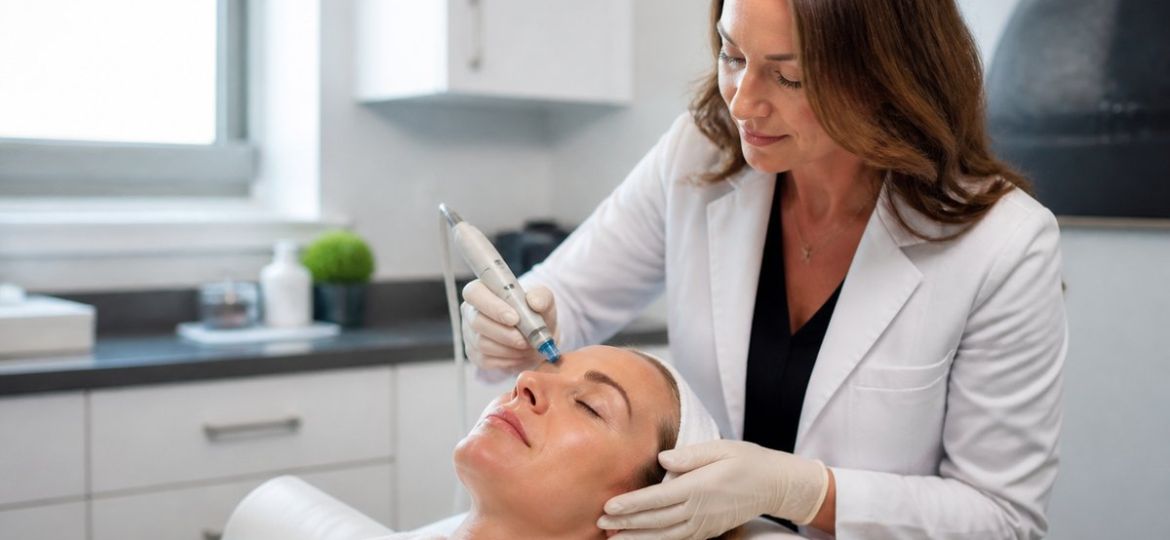
Many practices also offer procedures that address texture, tone, and surface irregularities. A dermatologist selects methods based on the nature of the concern, and they monitor responses over time. This structured oversight supports gradual adjustments, helping to align cosmetic goals with skin health. Some clinics integrate advanced technologies into their services, and they apply them to both medical and aesthetic needs. This type of approach reflects how dermatology practices adopt tools that target specific tissues while aiming to preserve surrounding structures.
Seek Professional Dermatology Care
Regular visits to a dermatology practice support early recognition of changes; that awareness helps guide measured responses instead of reactive decisions. When a specialist follows your skin over time, they can learn your baseline patterns, and that familiarity makes new findings easier to detect. This ongoing relationship also streamlines communication about what has worked in the past and what adjustments suit your current needs. Dermatology brings structure and observation to the care of skin. By working with a dermatologist, you gain access to an organized framework for evaluating concerns.
