

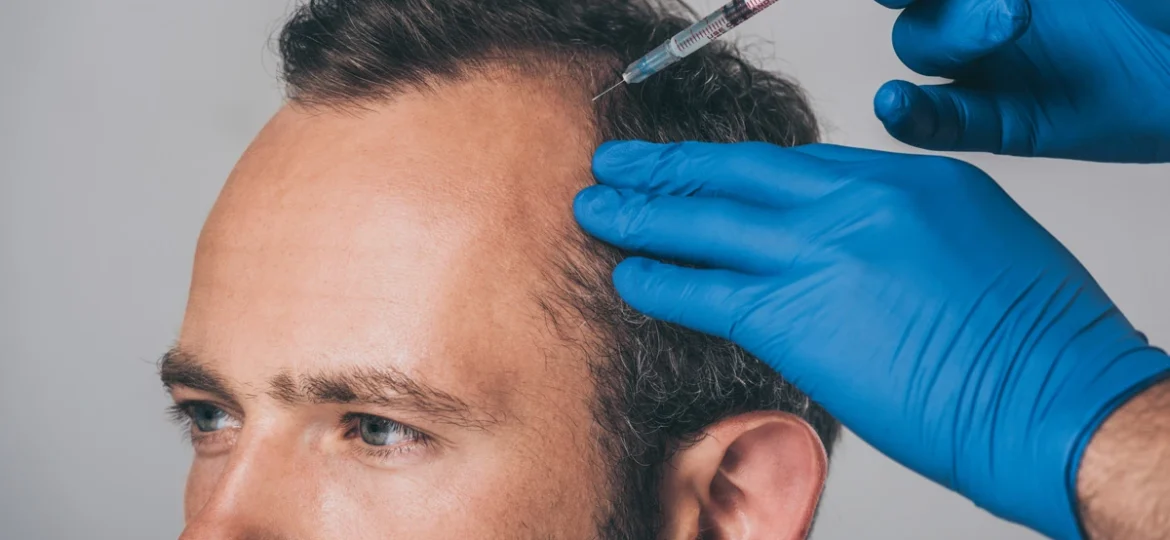
PRP therapy, or platelet-rich plasma therapy, uses a patient’s own concentrated platelets to accelerate healing. It targets injured tendons, ligaments, and joints, and it does so by drawing on the body’s natural repair mechanisms. Because the treatment relies on biological material sourced from the patient, the likelihood of allergic reaction or rejection is reduced. Here is more information on PRP therapy, what the process involves, and how it affects recovery:
What Is PRP Therapy?
PRP therapy is a regenerative treatment that concentrates platelets from a patient’s own blood to promote tissue repair. Platelets contain growth factors, and these factors signal the body to accelerate healing at the injury site. Since the treatment targets specific areas of damage, sports medicine physicians may recommend platelet-rich plasma therapy for tendon injuries, ligament sprains, and early-stage osteoarthritis. Unlike synthetic medications, PRP therapy relies entirely on the patient’s biological material, which reduces the likelihood of allergic reaction or rejection. The treatment is derived from the body’s own repair mechanisms.
What Does the Process Involve?
Platelet-rich plasma therapy begins with a blood draw. The sample is placed in a centrifuge, which spins the blood at high speed to separate platelets from red and white blood cells. This process concentrates the platelets into a plasma solution; this solution contains several times the platelet count found in normal blood.
Once the plasma is prepared, the physician injects it directly into the injured tissue using ultrasound guidance. Patients may feel mild discomfort during the injection, but the procedure does not require anesthesia. The entire process, from blood draw to injection, usually takes about one hour.
Sports medicine clinics may schedule PRP therapy as an outpatient procedure. Since the treatment is minimally invasive, patients can typically return home the same day. Strenuous activity is generally restricted for a short period following treatment; physicians provide specific post-procedure guidelines. Recovery restrictions vary depending on the injury’s nature and severity.
How Is Recovery Affected?
PRP therapy aims to shorten recovery time by activating the body’s natural healing response. Concentrated platelets release growth factors that stimulate collagen production and attract repair cells to the injury site; this biological activity can reduce inflammation over several weeks. As tissue regeneration progresses, patients may experience gradual improvements in function and comfort.
Recovery experiences differ based on injury severity, location, and overall patient health. Because these factors vary, a physician may outline an expected timeline during the initial consultation. The treatment plan is adjusted as healing progresses, and this makes sure that each patient receives guidance appropriate to their condition.
How Effective Is PRP?
Several factors influence PRP effectiveness. These include:
- The patient’s injury
- The concentration of platelets used
- Follow-through on recovery instructions
Patients may report pain reduction and improved joint function after a course of injections. A consultation with a sports medicine specialist helps determine whether platelet-rich plasma therapy is appropriate for a given condition.
Enhance Your Recovery Today
PRP therapy offers sports medicine patients a biologically driven option for addressing tendon, ligament, and joint injuries. The process draws on the body’s own platelets to support tissue repair, and recovery outcomes depend on injury type, severity, and how closely a patient follows post-treatment guidance. If you are evaluating this treatment, schedule a consultation with a sports medicine physician. They will review your injury history and discuss whether platelet-rich plasma therapy fits your recovery plan.
