

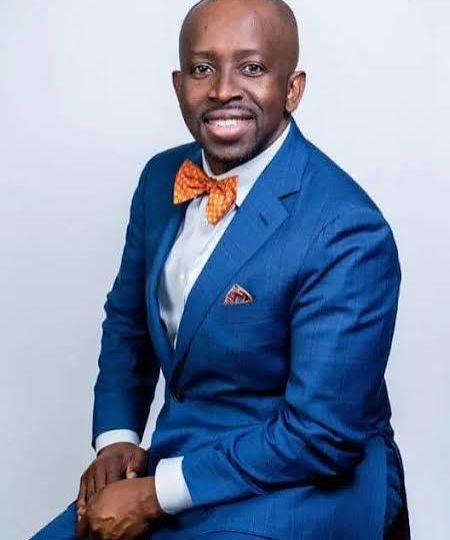
A plastic surgeon plays a significant role in reconstructive surgery by repairing physical damage caused by injuries, birth differences, illness, or previous medical procedures. Reconstructive techniques can help restore function, improve comfort, and support a more natural appearance. Here is a closer look at the role of a plastic surgeon in reconstructive surgery:
Assessing Reconstructive Needs
Every reconstructive issue begins with a thorough evaluation. A plastic surgeon reviews your medical history, examines the affected area, and discusses your goals. The assessment identifies which tissues need repair, how surrounding structures function, and what limitations exist. When you understand these findings, you can weigh your options. The evaluation also accounts for factors that influence healing, including general health, prior surgeries, and lifestyle. A surgeon may order imaging or lab tests, and these results provide a detailed picture of the tissue involved.
Planning Personalized Procedures
A plastic surgeon builds a plan around your specific anatomy and goals because no two reconstructive cases are identical. The planning phase translates the assessment into a sequence of steps, and it accounts for both function and appearance. The following elements typically inform a personalized approach:
- Procedure selection: The surgeon chooses techniques suited to the affected area, such as skin grafts, tissue flaps, or implant-based methods.
- Staged timelines: Some reconstructions require multiple procedures, and the surgeon spaces them to support healing between stages.
- Facility standards: Care often takes place in accredited surgical facilities, which follow defined safety and equipment protocols.
- Coordination with other specialists: The surgeon may work alongside oncologists, dermatologists, or physical therapists to keep your care aligned.
- Expected outcomes: The plan outlines what the procedure aims to achieve, and it clarifies the boundaries of what surgery can restore.
Restoring Form and Function
Reconstructive surgery pursues form and function. Form refers to appearance and structure, while function refers to how a body part moves and performs. A plastic surgeon addresses both, and the balance between them depends on the area being treated.
The techniques vary widely across the body. A surgeon may transfer tissue from one area to rebuild another, and this method can restore volume, coverage, or contour. The choice depends on the tissue available, the size of the affected region, and your overall health. When these factors align, the procedure supports both structure and daily use.
Supporting Long-term Recovery
Recovery extends well beyond the operating room, so a plastic surgeon plans for the period that follows. Ongoing care supports healing, tracks progress, and addresses concerns as they arise. The following elements can support long-term recovery:
- Follow-up appointments: Scheduled visits let the surgeon monitor healing and adjust treatment as needed.
- Wound care instructions: Clear directions help you care for surgical sites and reduce common complications.
- Activity guidelines: The surgeon advises when you can resume movement, work, or exercise, and these limits protect healing tissue.
- More procedures: Some cases need revision or refinement stages, and the surgeon schedules these to build on earlier results.
- Physical therapy referrals: When function is a priority, the surgeon may coordinate therapy to support mobility.
Consult a Plastic Surgeon Today
Reconstructive surgery restores both structure and function after injury, disease, or congenital differences. A surgeon guides each stage of that process, including the first assessment, personalized planning, procedure, and recovery. Coordination with services such as physical therapy further enhances recovery and functionality. Contact a qualified plastic surgeon near you to schedule your consultation today.
