

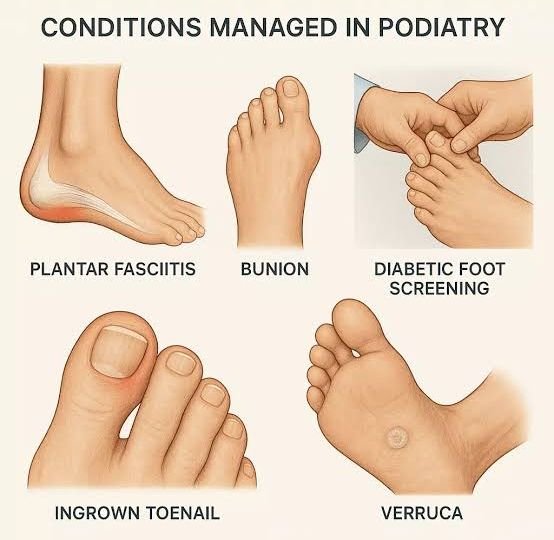
Routine visits to a foot doctor can help maintain healthy feet and prevent minor concerns from becoming more serious. Regular care may also support mobility, comfort, and overall well-being. Here is a closer look at the top reasons to visit your local foot doctor for routine care:
Detecting Foot Problems Early
Some foot concerns start quietly, and you may not notice them until they affect how you move. A foot doctor examines your feet closely during routine visits, checking for changes in skin, nails, and structure that are easy to miss. When a specialist detects a concern early, it gives you time to address the issue while it remains manageable. Routine visits also create a helpful record of your foot health over time. A podiatrist compares your current condition with earlier notes, and this comparison highlights patterns you may overlook.
Managing Ongoing Conditions
Some people live with conditions that affect their feet every day; a foot doctor helps them manage these needs for the long term. Routine visits keep these conditions under regular review, so adjustments happen at the right time. Here are some conditions that benefit from ongoing care:
- Diabetes-related foot care: A podiatrist checks circulation and skin health regularly, and this monitoring helps people with diabetes stay aware of changes in their feet.
- Arthritis in the joints: Routine visits track how arthritis affects your foot and ankle joints, and your specialist adjusts care as your needs evolve.
- Recurring skin and nail issues: A podiatrist treats problems like thickened nails or persistent calluses, and regular care keeps these concerns from recurring.
- Structural differences: Flat feet or high arches change how you stand and walk, so a specialist reviews these patterns and suggests supportive options.
Preventing Pain and Injury
A foot doctor plays a practical role in reducing everyday pain, and routine care is a key part of that work. During each visit, the specialist examines how you walk, stand, and move, and this review reveals habits that may strain your feet. You receive clear guidance on footwear, activity, and support.
Prevention also matters for active people, and it applies to athletes, busy parents, and older adults alike. A podiatrist identifies areas of stress before they turn into injuries, helping you stay mobile and comfortable. When you follow the advice from these visits, you lower your risk of common problems.
Protecting Long-term Mobility
Your feet support nearly every movement you make, and their health influences how freely you move throughout life. A foot doctor helps you maintain that freedom, and routine care keeps your mobility consistent over time. Here are ways ongoing care protects long-term movement:
- Balance and stability: A podiatrist reviews how your feet support your balance.
- Healthy walking patterns: Regular checks keep your gait stable, so you avoid strain that builds up over time.
- Supportive footwear guidance: A specialist recommends shoes and inserts that match your needs, and the right support can ease daily movement.
- Muscle and joint function: Routine care monitors how your muscles and joints work together, and ongoing attention keeps your feet moving well.
Visit a Foot Doctor Today
Routine care from a podiatrist supports early detection, regular management of ongoing conditions, injury prevention, and long-term mobility. These visits give people a clear view of their foot health, and they turn small observations into practical guidance. A specialist tracks changes over time, offers helpful advice, and adjusts your care as your needs change. Contact an exceptional foot doctor in your area to schedule your appointment today.
