

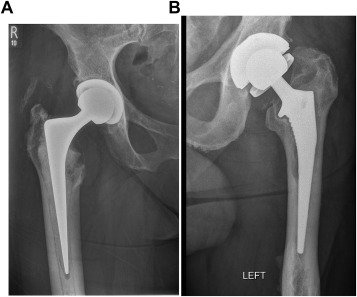
Hip replacement is a surgical procedure to remove a damaged hip joint, and surgeons replace it with an artificial one. Doctors may recommend it when pain limits your daily life while other treatments no longer work. Since the decision depends on many factors, your care team reviews your case carefully before moving forward. Here are some of the main factors that shape that decision:
Severity of Fractures
A hip fracture breaks the upper part of the thigh bone near the joint. When the break is severe, surgeons often replace the joint rather than repair it. Simple cracks may heal with fixation, but shattered bone usually calls for a hip replacement. Your doctor reviews imaging to judge how much damage exists.
Surgery may be necessary if the fracture significantly impacts mobility, causing pain and limiting daily activities. The severity of the injury influences treatment options and recovery time, and it can vary widely depending on individual health circumstances. While minor fractures might heal with a straightforward treatment plan, complex injuries typically require more extensive intervention.
Failure After Conservative Approaches
Conservative treatments aim to reduce pain without surgery. Doctors try these first, and they monitor your response over time. If your symptoms continue despite steady effort, surgery becomes the next topic of discussion.
Standard non-surgical options include:
- Physical therapy and guided exercise
- Anti-inflammatory or pain medication
- Weight management and activity changes
- Steroid or lubricating injections
When these steps stop helping, your mobility typically declines further. Rest and medication may ease flare-ups, yet don’t fix advanced joint damage. Since the joint keeps wearing down, your doctor may suggest replacement to address the root problem.
Disability Caused by Hips
Hip damage affects how you move through each day. Pain limits walking, and stiffness makes simple tasks harder. When basic activities feel impossible, surgery moves higher on the list of options.
Doctors look at specific signs of disability before recommending replacement. These signs help them measure how much the joint affects your life. If you notice several of them, mention each one during your visit. Warning signs your care team reviews:
- Trouble climbing stairs or standing up
- Pain that disturbs your sleep
- Reliance on a cane or walker
- Difficulty putting on shoes or socks
Some patients push through discomfort for years. Since untreated damage tends to worsen, waiting too long may reduce your range of motion. Your surgeon weighs your daily struggles against the risks of the procedure.
Patient’s Overall Health
Your general health shapes whether surgery is a safe choice. Doctors review your heart, lungs, and other conditions before scheduling anything. Since anesthesia carries risks, your team checks that your body can handle the operation. A full assessment guides the timing of your procedure.
Schedule a Hip Replacement Consultation
The decision for hip replacement rests on several connected factors. When disability and overall health point in the same direction, a consultation gives you clear answers. During your visit, your surgeon reviews imaging and explains your options; you get to ask questions, and you leave with a plan built around your needs. Contact a reconstructive orthopedic clinic today to schedule your hip replacement consultation.
