

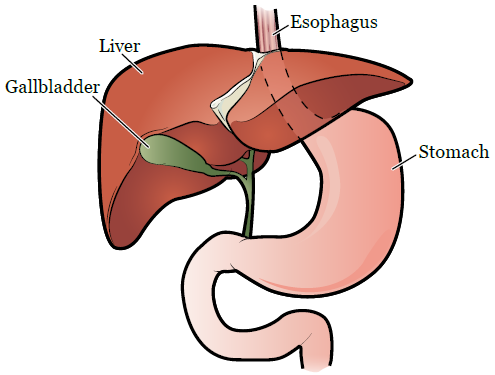
Your gallbladder stores bile to break down fat, and when this small organ stops working well, you feel discomfort, and daily life typically gets harder. Gallbladder removal, called a cholecystectomy, is a surgery that treats ongoing problems. Doctors recommend it when other approaches no longer control your symptoms. Here is more information on this disease and when surgery is needed:
Primary Symptoms
Pain sits at the center of most gallbladder problems. Many people feel it in the upper right belly, and it typically spreads to the back or shoulder. When a stone blocks a bile duct, the pain sharpens after fatty meals. You might notice this discomfort come and go for weeks.
Nausea may join the pain. Some people vomit, and others feel bloated after eating. As bile flow slows, digestion becomes uncomfortable and slow. These signs indicate a gallbladder that struggles to do its job.
Problematic Signs
Certain symptoms suggest a more serious issue that requires gallbladder removal. You might spot warning signs that a stone has caused an infection or blockage. Watch for these changes:
- Skin or eyes that begin yellowing
- Fever accompanied by chills
- Urine that is dark or pale stools
- Pain lasting more than five hours
Any of these signs calls for medical care right away. When infection sets in, the situation may worsen fast, and delays raise your risk. A doctor examines you, and imaging tests confirm what is happening. Timely evaluation helps your medical team choose the right treatment.
Conservative Treatments
Not every gallbladder issue needs surgery at first. Doctors sometimes start with milder steps, and they monitor your response. Simple changes to your diet often reduce mild flare-ups. You might eat smaller meals and limit fatty foods.
Medication offers another early option. Some drugs dissolve small cholesterol stones over time, though this process moves slowly. Since these medicines work for only certain stone types, your doctor reviews your case carefully. Pain relievers help you manage discomfort while you wait.
These measures suit people with mild or infrequent symptoms. When flare-ups stay rare, a conservative plan may hold steady for a while. Your doctor tracks your progress, and follow-up visits show whether the plan works. If symptoms return often, the conversation shifts toward surgery.
Key Indications That Require Surgery
Some situations point clearly toward gallbladder removal. Surgery becomes the standard choice when problems grow frequent or severe. Doctors may recommend a cholecystectomy in these cases:
- Gallstone attacks
- Inflammation of the gallbladder
- Bile duct blockage
- Pancreatitis linked to gallstones
Persistent pain that disrupts your routine also signals a need for surgery. When stones keep forming, the organ rarely returns to normal function. Since your body adapts after removal, most people digest food well without a gallbladder. Your surgeon explains the steps, and you decide together on the timing.
Schedule a Gallbladder Removal Consultation
Gallbladder pain requires a clear answer, and a consultation gives you facts about your condition and clarifies your options. During the visit, your surgeon reviews your symptoms and imaging results. Since every case differs, a personal evaluation can be more helpful than general advice. Reach out to a surgery clinic today to schedule your gallbladder surgery consultation and get answers tailored to you.
