

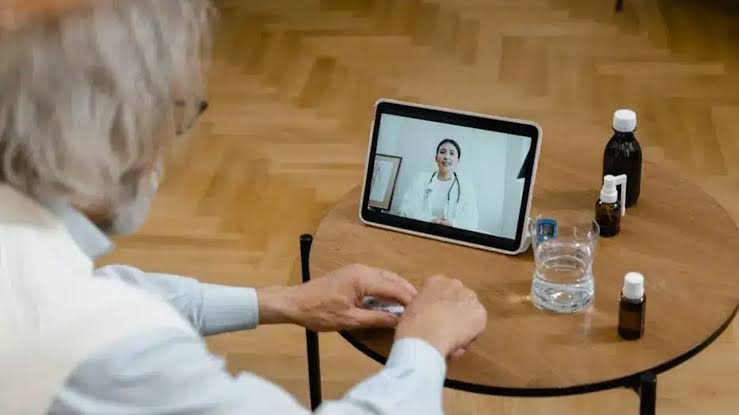
Telehealth therapy connects you with a licensed mental health provider through video, phone, or secure messaging; you meet from home, and the session runs much like an in-person visit. Since you join from any private space, you have more control over where therapy happens. Many people who once struggled with logistics now find sessions easier to attend. Here is more information about this form of therapy:
Flexible Appointments
Telehealth therapy opens up scheduling options that fit around your day. You book a session, and your provider confirms a time that works for both of you. Since appointments happen online, evening and early-morning slots are often available.
Some clinics offer same-week openings, while others hold set recurring times. When your week shifts unexpectedly, you may find rescheduling simpler than driving to an office. You pick a slot, log in, and start on schedule.
Avoided Travel Time
Skipping the commute changes how you spend your day. You save the minutes you would spend in traffic, and you keep that time for yourself. Since there is no drive, you avoid parking fees and fuel costs too.
People in rural areas often live far from a provider, so remote sessions remove that distance. When mobility or transportation is a barrier, telehealth offers a direct path to care. You open your device at the set time, and the session begins.
Telehealth makes care more accessible, and this bridges the gaps for those in underserved or remote areas. It reduces the complexity of scheduling by eliminating the need to align travel arrangements with appointment times, which is particularly beneficial for individuals with demanding routines. Telehealth offers a straightforward solution by allowing patients to connect with providers from the comfort of their own homes.
Increased Privacy
Privacy matters to many people who seek therapy. You choose your setting, and no one sees you sitting in a waiting room. When sessions run through secure platforms, your conversation stays between you and your provider.
Here are a few ways telehealth supports privacy:
- Rooms you select yourself
- Platforms that use encryption
- Lack of shared waiting areas
When privacy shapes your decision to start therapy, remote sessions address that concern directly. You control who knows about your appointments, and that discretion suits some situations well.
Individual, Couples, and Group Therapy
Telehealth supports many formats beyond one-on-one sessions. You might meet alone, or you might join with a partner. Since platforms allow multiple participants, couples and families connect from the same room or separate locations.
Group therapy also works well online, and members join from wherever they are. When distance keeps a family apart, video sessions bring everyone into one conversation. A therapist guides the session, and each person speaks in turn.
Providers offer services tailored to specific needs, including:
- Couples therapy for relationship support
- Family sessions that include several members
- Group therapy with shared themes
- LGBTQ care with trained clinicians
You select the format that matches your situation, and your provider helps you decide. Since these options exist online, you access specialized support without geographic limits.
Try Telehealth Therapy Today
Telehealth therapy gives you a practical way to meet with a mental health provider. You review your options, and you pick the format and schedule that fit your life. If you have questions about how it works, reach out to a licensed provider for details. You describe your needs, and they explain the next steps. When you feel ready to begin, book a consultation and start the conversation today.
