

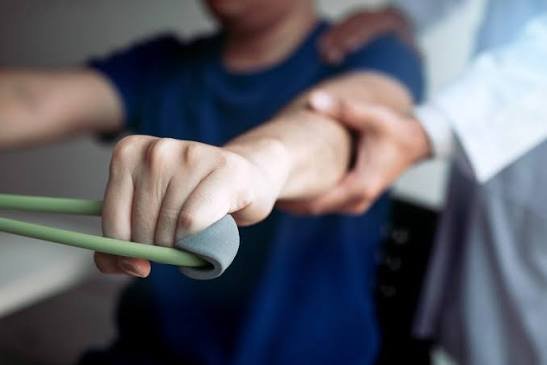
Joint replacement surgery marks the beginning of a recovery process. The weeks and months following surgery are key, as they help determine how well the new joint functions long-term. Physical therapy plays a valuable role in that process; it guides patients from post-surgical stiffness to restored movement, which supports the return to daily independence. Here is more information on physical therapy after orthopedic surgery:
What Is Joint Replacement?
Joint replacement is a surgical procedure in which a damaged joint is removed and replaced with an artificial implant, which is known as a prosthesis. The hip and knee are commonly replaced joints. The prosthesis replicates natural joint movement, and surgeons select the appropriate implant based on the patient’s anatomy and the extent of joint damage.
Surgery addresses structural damage, but restoring full function requires rehabilitation. Recovery protocols are integral. Surgical outcomes depend on how well patients engage with structured physical therapy in the weeks and months following the procedure, as consistent participation influences long-term joint function. Consult with an Orion Ortho knee replacement surgeon who can diagnose what you actually need.
Who Does It Help?
This surgery is typically recommended for individuals with severe joint damage that limits daily function, and it is helpful when non-surgical treatments have not provided adequate relief. Osteoarthritis is a common cause. When adults experience pain that interferes with mobility, sleep, or quality of life, they may be candidates for treatment. Surgeons assess multiple factors, including overall health, bone density, body weight, and the degree of joint deterioration, because each of these elements influences recovery potential.
What Does Recovery Involve?
Recovery from surgery follows a structured, phased timeline. Patients may begin gentle movement soon after surgery, and a physical therapist typically supports this early mobility in the hospital. Since early movement helps reduce the risk of complications such as blood clots and joint stiffness, it is a valuable component of the initial recovery phase.
After the patient is discharged, recovery continues with physical therapy. The full recovery period varies by joint and individual, and progress depends on several contributing factors. Age, overall health, adherence to the rehabilitation program, and the complexity of the procedure all influence how quickly a patient regains function.
How Is Physical Therapy Beneficial?
Physical therapy following joint replacement addresses several dimensions of recovery simultaneously. Each patient presents with a unique surgical history, so a physical therapist designs a program tailored to the individual. The program is personalized, and sessions are structured to progress methodically. They may begin with basic range-of-motion exercises, which help restore flexibility before advancing to more demanding activities.
The benefits of physical therapy after joint replacement include:
- Restored range of motion: Structured stretching and movement exercises help prevent scar tissue from limiting joint flexibility.
- Improved muscle strength: Targeted exercises rebuild the muscles surrounding the joint, which reduce strain on the prosthesis.
- Reduced pain: Guided movement and manual therapy techniques can decrease post-surgical discomfort more effectively than rest alone.
Facilitate Your Recovery
Joint replacement surgery can restore mobility and reduce chronic pain, but the quality of recovery depends on rehabilitation. Physical therapy provides the structured, evidence-based support needed to move through each phase of recovery effectively. From early post-surgical mobility to long-term strength and function, a qualified physical therapist guides patients toward favorable surgical outcomes. If you have recently undergone or are preparing for joint replacement surgery, consult with your surgeon about beginning physical therapy.
