

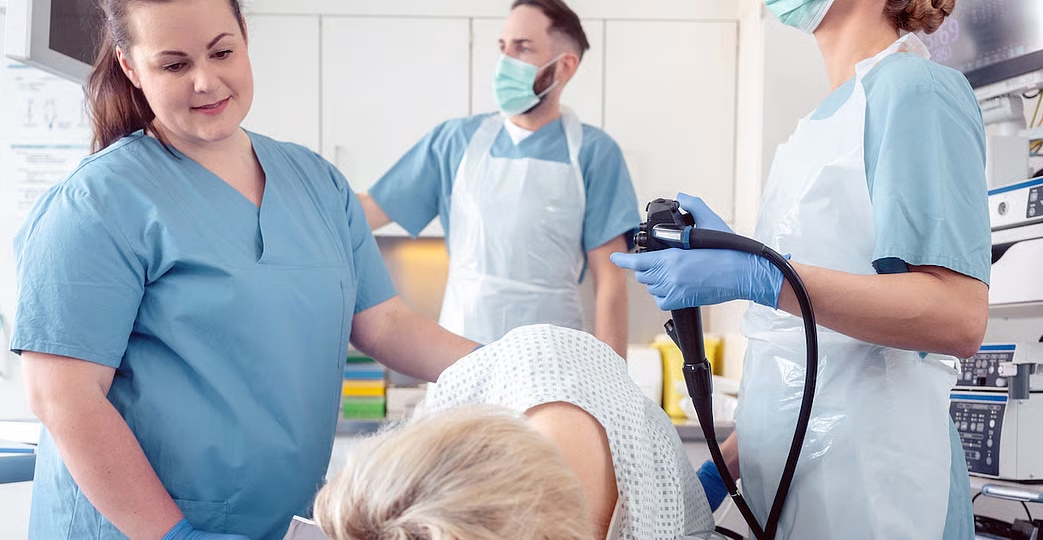
A colonoscopy requires some planning, and the steps you take beforehand can significantly influence how smoothly the procedure goes. Thorough preparation allows your provider to obtain a clear view of the colon during the exam, which improves accuracy and effectiveness. Proper preparation typically includes scheduling, dietary adjustments, bowel preparation, and arranging logistics for the appointment. Be sure to read your provider’s instructions carefully, since requirements can vary by office. Here’s some information to help you prepare for a colonoscopy:
Scheduling Your Appointment
Book your colonoscopy appointment with sufficient lead time to prepare properly, and request written instructions during that initial call. Be sure to note the appointment date, arrival time, and any forms that need to be completed in advance. You will typically adjust your diet several days beforehand and begin bowel preparation the day before the procedure. Careful planning helps keep the entire process organized and on track.
Adjusting Your Diet
Providers may ask you to follow a low-fiber diet several days before the procedure. During this period, you avoid nuts, seeds, raw vegetables, and beans; consuming lower-residue foods instead helps reduce what remains in the colon. Lighter meals support the preparation process that follows and help improve the effectiveness of the cleanse. The day before your colonoscopy, you will typically transition to a clear liquid diet. Acceptable options may include the following:
- Water and clear broth
- Plain tea or black coffee without milk
- Clear juices such as apple or white grape
- Gelatin and ice pops
You should avoid anything with red, orange, or purple dye, as those colors may interfere with visualization during the procedure. Once you begin the clear liquid phase, solid foods are stopped entirely, and you should continue consuming only approved liquids until instructed to stop. You’ll also follow bowel preparation instructions; this step clears the colon so your provider has an unobstructed view.
The office may supply both the preparation solution and the timing instructions. Read the directions closely, and confirm whether you take the full dose in one evening or split it between night and morning. Mix and drink the solution exactly as directed. The liquid may be easier to manage when chilled and sipped steadily. Keep clear fluids within reach, and stay near a bathroom, because the prep works quickly once it begins.
Managing Medications and the Procedure Day
Discuss your current medications with your provider well in advance of the appointment, as certain prescriptions require adjustments ahead of time. Blood thinners and some diabetes medications may fall into this category, so be sure to share a complete list that includes prescriptions, over-the-counter products, vitamins, and supplements. Your provider will review this information and give you clear instructions on how to proceed. You may be told which medications to pause, which to continue, and which to take with a small sip of water on the morning of the procedure. Do not stop any medication on your own; follow the guidance provided by your care team.
You should also plan transportation ahead of time, since sedation used during a colonoscopy prevents you from driving afterward. Arrange for a responsible adult to pick you up and stay nearby for the remainder of the day. Set aside the entire day for both the procedure and recovery, and wear loose, comfortable clothing. Bring your identification and insurance information, and leave valuables at home to keep the process as smooth as possible.
Schedule a Colonoscopy
Colonoscopies help detect various conditions, including cancer, and careful preparation sets the stage for a successful procedure. Review your provider’s instructions more than once, and follow the dietary guidelines and prep timing closely to promote accuracy. It’s also key to coordinate medications and transportation well in advance, since both can affect the day of the procedure. When each step is organized ahead of time, you’re able to arrive fully prepared. Contact a colonoscopy provider to learn more.
