

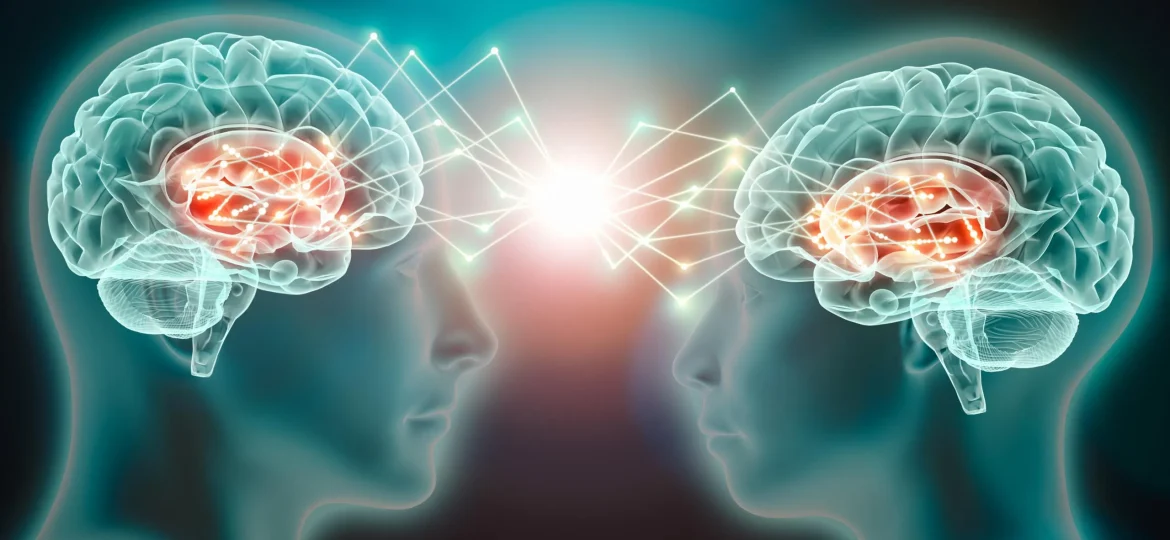
Neuroplasticity refers to the brain’s ability to reorganize neural pathways in response to injury, disease, or treatment. This process can help preserve or restore function when surgery is performed for conditions such as brain tumors, aneurysms, and other neurological disorders. Neurosurgeons use advanced imaging and surgical planning techniques to identify key brain regions and reduce disruption to surrounding tissue. Here is more information on the interplay between brain surgery and neuroplasticity:
Mapping the Adaptive Brain
Neuroplasticity allows the brain to reorganize functions in response to gradual changes caused by conditions such as brain tumors. In some cases, areas responsible for speech, movement, or memory may shift as healthy tissue adapts to compensate for affected regions. Neurosurgeons use advanced brain mapping techniques to identify the location of key functions before surgery, since these areas may not match their typical anatomical positions. This individualized approach helps guide surgical planning and supports the preservation of neurological function during treatment.
Guiding Surgical Decisions
Neuroplasticity plays a role in surgical planning for many neurological conditions. When the brain has already adapted to a slowly developing lesion, some functions may shift to neighboring regions, providing surgeons with additional information about how to approach treatment. This understanding helps the surgical team determine the safest strategy for removing abnormal tissue while preserving critical neurological functions. The extent of resection is often guided by both the location of the condition and the patient’s unique neurological profile.
Advanced techniques such as brain mapping and awake craniotomy can provide real-time information during surgery. During these procedures, patients are able to perform speech or movement tasks while the surgical team monitors neurological responses. This feedback helps identify areas responsible for key functions and supports more precise surgical decision-making. Factors such as tumor location, patient age, and the brain’s adaptive capacity are often an option when developing an individualized treatment plan.
Rebuilding Lost Functions
Recovery after brain surgery is closely linked to neuroplasticity, the brain’s ability to form new neural connections and adapt following treatment. Rehabilitation programs use structured therapies to encourage this process and support the recovery of functions such as speech, movement, and daily activities. Speech therapy, physical therapy, and occupational therapy each focus on specific skills while promoting the development of alternative neural pathways. Consistent practice and repetition help strengthen these connections over time. This supports gradual functional improvement throughout recovery.
Sustaining Long-Term Recovery
Neuroplasticity continues long after a patient leaves the hospital, allowing the brain to adapt throughout the recovery process. Ongoing rehabilitation, healthy lifestyle habits, and regular follow-up care often support continued neurological improvement and help maintain progress. Activities that challenge the brain and body may contribute to the development and strengthening of neural connections over time.
- Participating in consistent rehabilitation: Regular therapy sessions help reinforce new neural pathways and functional skills.
- Engaging in cognitive activities: Reading, puzzles, and learning new skills encourage continued brain adaptation.
- Maintaining regular physical activity: Exercise supports overall brain health and recovery.
- Prioritizing quality sleep: Adequate rest helps support neurological function and healing.
- Attending follow-up appointments: Ongoing monitoring helps identify challenges and guide recovery strategies.
Schedule Your Brain Surgery Consultation
Neuroplasticity influences many aspects of brain surgery, including treatment planning and postoperative recovery. The brain’s ability to reorganize neural pathways can help support functional preservation and rehabilitation after surgery. Understanding these adaptive processes provides valuable context for patients facing neurological treatment. Schedule a consultation with a neurosurgeon to learn more about your condition and available treatment options.
